
- An EMP (from nuclear detonation or solar storm) could instantly cripple power grids, communications and critical infrastructure, leading to societal collapse. Recovery may take years.
- The 1989 Quebec blackout is minor compared to a full-scale EMP, which could cause 90% population loss within a year due to starvation, violence and medical shortages.
- Essential preparedness includes food and water security, electronics shielding, basic skills and security and community.
- While government initiatives aim to harden infrastructure, bureaucratic delays leave individual preparedness as the first line of defense.
- Geopolitical tensions and solar activity make EMP readiness non-negotiable. Those with self-reliance skills will endure; procrastination risks disaster.
Four pillars of EMP survival
Civilization’s reliance on technology is a double-edged sword. A single EMP event—whether man-made or natural—could cripple power grids, disable medical equipment and halt transportation networks. Historical precedents, such as the 1989 solar storm that blacked out Quebec for nine hours, offer only a glimpse of the devastation a full-scale EMP would unleash. Without refrigeration, fuel pumps or electronic banking, society would rapidly unravel. The Congressional EMP Commission estimates a 90% population decline within a year due to starvation, violence and medical shortages. To help you prepare for an EMP event, here are the four pillars of EMP survival you need to consider:Food and water security
Stockpiling shelf-stable staples, such as white rice, canned fish and honey, is the first step, but true resilience requires self-sufficiency. Learn the following to ensure survival:- Long-term food storage: Rotate supplies to prevent spoilage, prioritizing calorie-dense, nutrient-rich foods like freeze-dried meats, legumes and powdered milk.
- Gardening and seed banking: Heirloom seeds ensure sustainable food production post-collapse. Learn permaculture techniques to maximize yield with minimal inputs.
- Water independence: Municipal systems will fail. Rainwater catchment, solar stills and sand-charcoal filtration systems provide clean water. Berkey filters and iodine tablets offer portable purification.
- Food preservation methods: Canning, fermenting and dehydrating extend food lifespans without refrigeration.
Electronics shielding
Modern life depends on electronics, but an EMP attack could fry circuits in seconds. Preppers emphasize storing backup communication devices, such as hand-crank radios and CB walkie-talkies, and EMP-hardened solar chargers, as cell networks would fail immediately post-EMP. Protect important tools and gadgets using:- Faraday cages: Metal enclosures (even modified ammo cans or trash bins) lined with insulating material (e.g., cardboard or foam) can shield radios, medical devices and backup generators.
- EMP cloth: Military-grade conductive fabric can be used to wrap sensitive electronics, though effectiveness varies.
Basic tools and skills
When supply chains collapse, these practical skills will come in handy:- Repair and craftsmanship: Learn blacksmithing for tool-making, woodworking for shelter construction and fiber crafts (spinning, weaving) for clothing.
- Off-grid living: Master fire-starting, cast-iron cooking and waste management (e.g., composting toilets, graywater systems).
- Medical knowledge: Herbal remedies, wound suturing and trauma care will become vital when hospitals are inaccessible.
Security and community
In a lawless aftermath, defense is as crucial as food.- Fortify your home: Reinforce doors and windows with steel bars; set up perimeter alarms (tripwires, motion sensors).
- Analog communication: Ham radios (with Faraday-shielded backups) enable coordination when digital networks fail.
- Trusted alliances: Form mutual-aid pacts with neighbors—pooling skills, supplies and security patrols deters looters.

Preventing foodborne illness: Simple steps to avoid dangerous contamination
By Belle Carter // Share
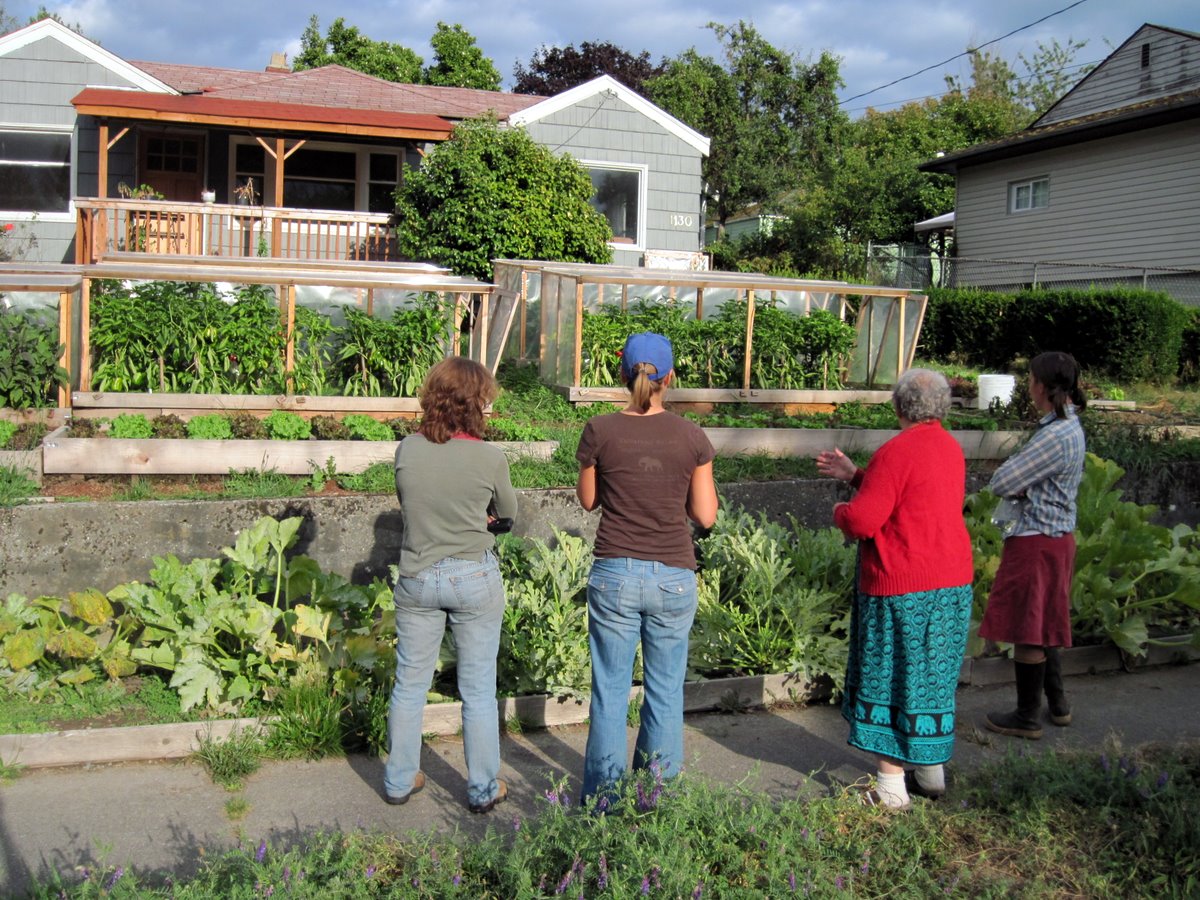
Homestead reset: A blueprint for renewal beyond New Year’s resolutions
By Evangelyn Rodriguez // Share
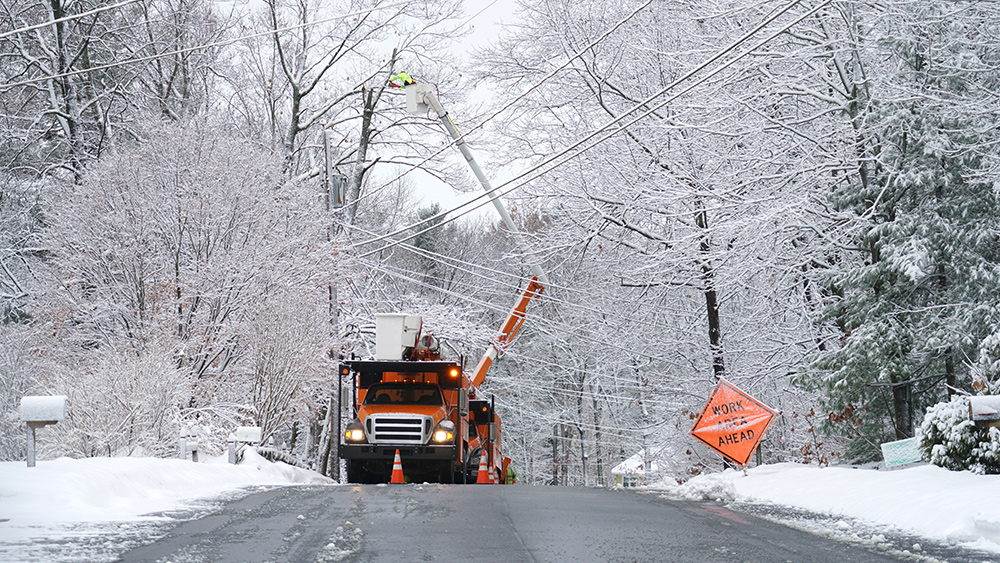
A nation in the deep freeze: Storm deaths mount as power fails
By Willow Tohi // Share

Record cold triggers frostbite surge across U.S., doctors warn of rapid tissue damage
By Cassie B. // Share

13 ways to light your home without electricity
By Lance D Johnson // Share
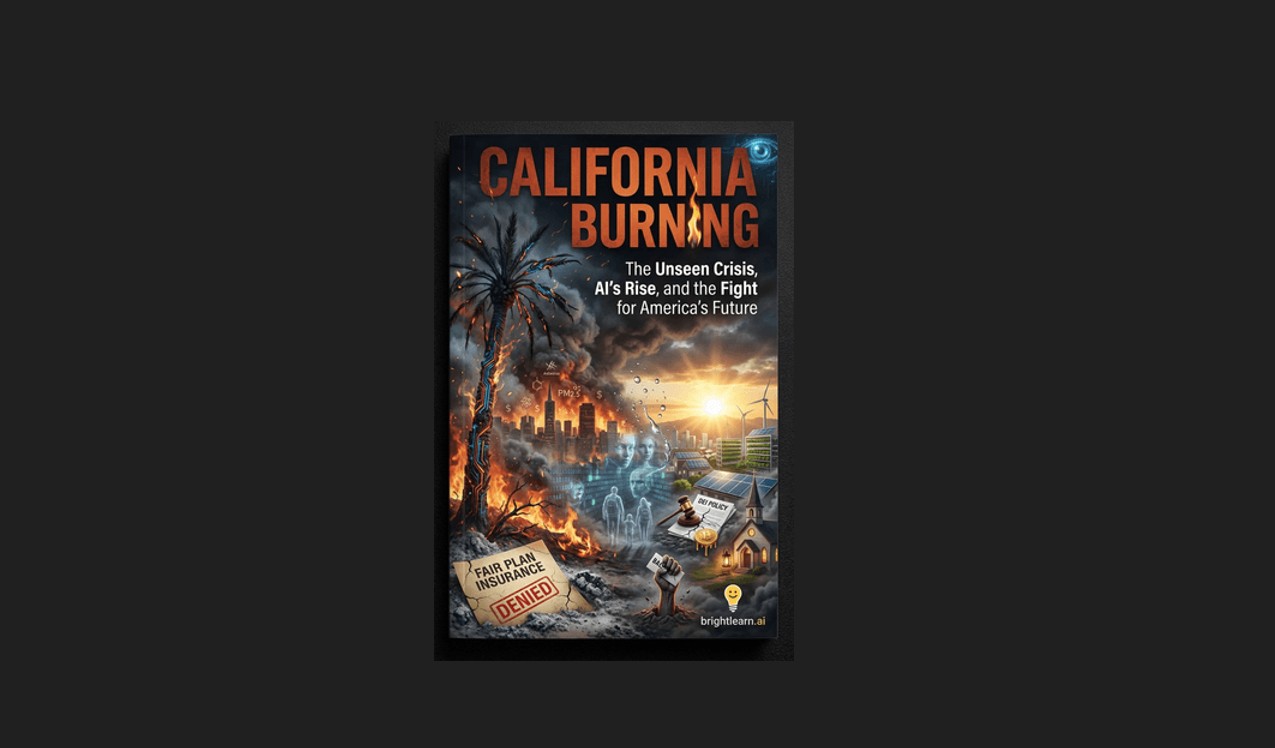
California Burning: The hidden crisis behind the Golden State’s wildfires
By Ramon Tomey // Share
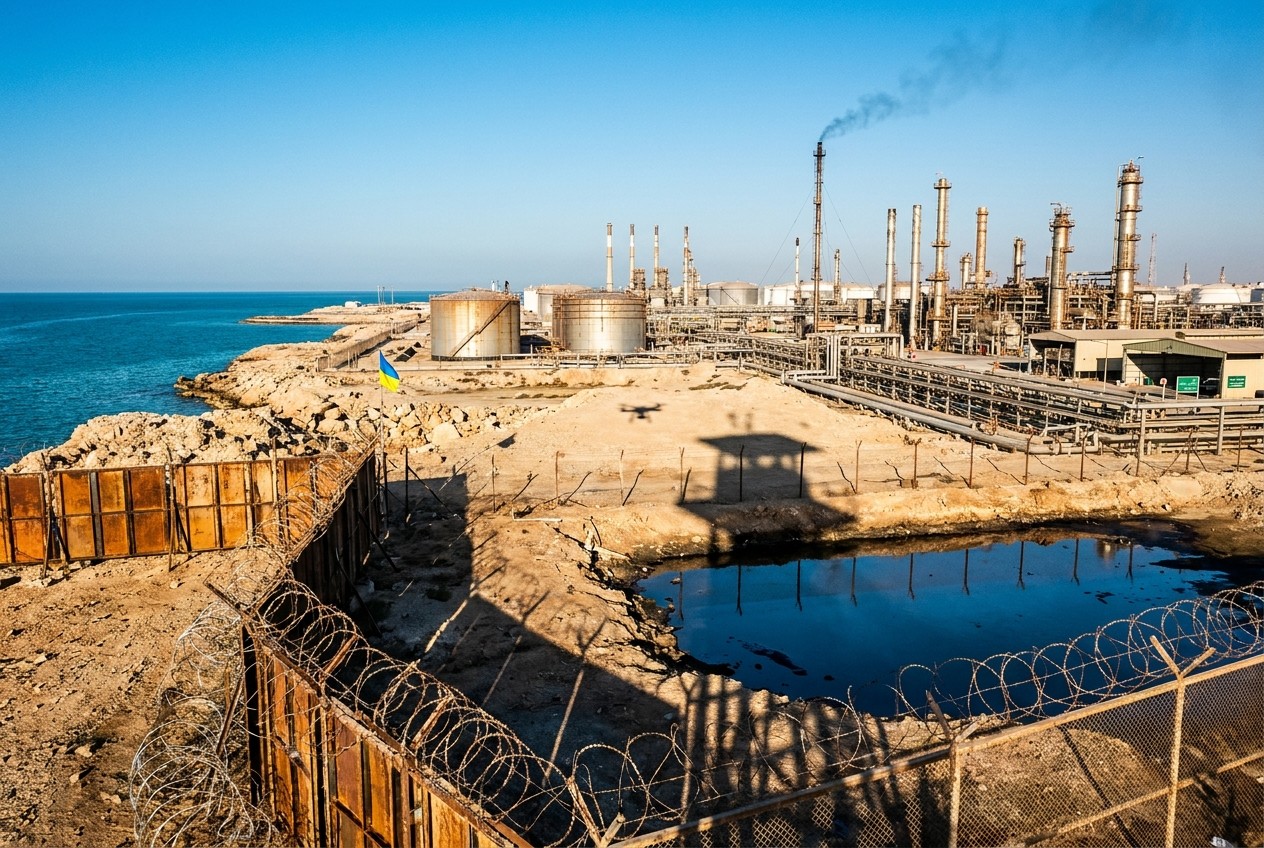
Iraq Detains Ukrainian Nationals Suspected in Plot Against Gulf Oil Facilities
By garrisonvance // Share

U.S. Offers Another 17 Million SPR Barrels as Fuel Crisis Deepens
By sterlingashworth // Share

U.S. Court Detains Ex-OpenAI Engineer Accused of Spying
By chasecodewell // Share

Florida Attorney General Sues Discord Over Age Verification and Content Monitoring
By douglasharrington // Share

IMF Chief Calls for AI Guardrails as Officials Weigh Economic Risks and Opportunities
By edisonreed // Share
