- Conduct a thorough stockpile audit. Don't just glance at your supplies. Carefully check expiration dates, food quality and the condition of critical items like fuel, generators and tools to ensure that everything is usable before disaster strikes.
- Stress-test your pantry and mindset. Try eating for a week using only your stored staples, such as beans, oats and rice, to practically understand nutritional gaps and your family's psychological resilience during scarcity.
- Review your home security practically. Assess your property in daylight and at night to identify simple vulnerabilities, such as poor lighting on your property or overgrown shrubs, that could be easily improved.
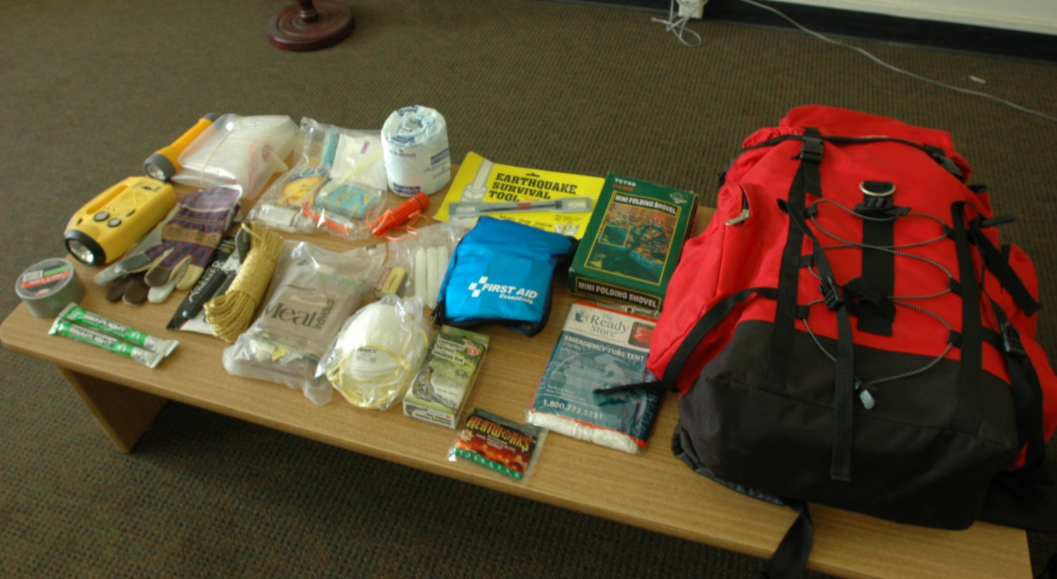
- Build and test a real bug-out bag. Assemble a lightweight evacuation pack with true essentials and physically carry it to ensure that it's practical, moving the idea from theory to reality.
- Practice a short media and electricity blackout. Go without grid power and screens (barring medical needs for yourself or any family members) for a weekend to discover your real dependencies for light, cooking and entertainment, and to see how your household handles boredom.
The stress test: A week of Great Depression-era meals
Perhaps the most revealing challenge is dietary: eating for one full week as if living through the Great Depression. The goal is not historical reenactment but a practical stress test of your pantry and your mindset. Inspired by the research of survival experts like Claude Davis, who has meticulously studied the resilience of families during the 1930s, this challenge involves creating a seven-day meal plan using only what you already own, focusing on staples like beans, oats, potatoes and rice, with meat used sparingly. No extra shopping is allowed. The lesson is in the experience. Adhering to the plan, no snacks, no extras, highlights how your household copes with limited variety and repetition. You may notice shifts in energy, mood, or motivation. The core question isn't whether it's enjoyable for you and the rest of your family, but whether it's manageable. This experiment sheds light on the psychological aspect of scarcity, proving that food preparedness is as much about mental resilience as it is about calories. It also sharpens practical cooking skills and reduces waste by prioritizing items nearing expiration.Reassessing your perimeter, your plan and your dependencies
The subsequent challenges address other critical, often-overlooked facets of preparedness. A calm, methodical home security review asks you to observe your property by day and night, identifying weaknesses like poor lighting, overgrown landscaping, or vulnerable entry points. The objective isn’t to build a fortress, but to implement effective, reliable deterrents. Next, the bug-out bag (BOB) exercise acknowledges that even those committed to staying put may face rapid evacuations during an emergency. The challenge is to assemble a lightweight, practical bag with essentials like water, shelf-stable food, basic first-aid, copies of important documents and season-appropriate clothing, then to physically test carrying it. This practice separates theoretical packing from practical utility. Finally, the three-day media and electricity blackout (barring medical necessities) is a masterclass in self-awareness. Without the hum of the grid or the glow of screens, you discover what tools and skills you truly rely on for light, cooking and comfort. It also reveals how your household manages boredom and silence, which is a crucial dynamic during any extended crisis.The ultimate goal: Sustainable readiness and peace of mind
The beauty of this five-part challenge is its flexibility. You don't need to complete it all in January. Even accomplishing one or two parts significantly strengthens your position. The process acts as a quiet reset, replacing assumption with knowledge and anxiety with competence. In the end, this New Year's challenge reframes preparedness not as a burden of paranoia, but as a series of practical, sustainable habits. It proves that being ready doesn't require a basement full of high-tech and expensive survival gear, but a mindful audit of your resources, a test of your skills and an honest assessment of your plans. If tougher times arrive, you won't be scrambling. You'll already know exactly what you can handle, and that assurance is the most valuable supply of all. Watch the video below to learn more about essential prepping tools like UHMWPE Braided Survival Cord and Bug Spray. This video is from the Health Ranger Store channel on Brighteon.com. Sources include: AskAPrepper.com TruePrepper.com Travelers.com BrightU.ai Brighteon.com
Preventing foodborne illness: Simple steps to avoid dangerous contamination
By Belle Carter // Share
Homestead reset: A blueprint for renewal beyond New Year’s resolutions
By Evangelyn Rodriguez // Share
A nation in the deep freeze: Storm deaths mount as power fails
By Willow Tohi // Share
Record cold triggers frostbite surge across U.S., doctors warn of rapid tissue damage
By Cassie B. // Share

13 ways to light your home without electricity
By Lance D Johnson // Share

10 Surprisingly fun ways to cook with Organic Extra Virgin Coconut Oil
By HRS Editors // Share

Iraq Detains Ukrainian Nationals Suspected in Plot Against Gulf Oil Facilities
By garrisonvance // Share

U.S. Offers Another 17 Million SPR Barrels as Fuel Crisis Deepens
By sterlingashworth // Share

U.S. Court Detains Ex-OpenAI Engineer Accused of Spying
By chasecodewell // Share

Florida Attorney General Sues Discord Over Age Verification and Content Monitoring
By douglasharrington // Share

IMF Chief Calls for AI Guardrails as Officials Weigh Economic Risks and Opportunities
By edisonreed // Share