
- A new study in JAMA Network Open finds Lyme disease costs the U.S. healthcare system up to $1 billion annually, highlighting its significant economic burden.
- The financial impact varies drastically: while localized cases cost about $695, disseminated cases (where infection spreads) cost over $6,800 per episode.
- Although only 22% of patients had disseminated disease, it accounted for nearly 70% of the total Lyme-specific healthcare costs analyzed.
- The problem is growing, as the geographic range of ticks expands and reported cases surge, with 89,470 cases officially recorded in 2023—the highest since 1996.
- The research, funded by companies developing a Lyme vaccine, serves as a data-driven call for greater investment in prevention and early treatment to reduce both medical and economic tolls.
The disproportionate impact of advanced illness
A key finding was the outsized financial role of disseminated disease. Although it affected just 22.4% of the patients studied, it accounted for nearly 70% of the total Lyme-specific healthcare costs identified in the episode analysis. This indicates that preventing disease progression is not only a medical imperative but a significant economic one. When researchers extrapolated these per-episode costs to the national population in high-incidence areas, they arrived at a total annual healthcare cost ranging from $591 million to $1.05 billion. The study's authors, whose work was funded by pharmaceutical companies Pfizer and Valneva—firms co-developing a Lyme disease vaccine—issued a clear warning. They noted that costs are expected to rise due to the continued geographic expansion of Lyme disease. Ticks are inhabiting new regions, and seasons of risk are lengthening, exposing more Americans each year. This expanding footprint turns a regional concern into a mounting national expense. The significance of this billion-dollar price tag is magnified by the disease's controversial history. For decades, patients with persistent, complex symptoms—often termed chronic Lyme disease—faced skepticism from segments of the medical establishment, leading to delayed care, patient hardship, and undoubtedly, increased long-term costs. The new research, by rigorously documenting the high costs of disseminated infection, adds economic weight to the argument for early, effective intervention and greater investment in prevention.Prevention as the paramount solution
Public health guidance for prevention remains straightforward but requires public vigilance. The Food and Drug Administration recommends avoiding tick habitats like wooded and grassy areas, using EPA-registered insect repellents and treating clothing with permethrin (with extreme caution around cats). The CDC advises seeking medical attention for symptoms like fever, fatigue, headache or the hallmark bull's-eye rash, especially after potential tick exposure. To contextualize the burden, Lyme disease's estimated billion-dollar annual cost sits alongside other major national health expenditures. For comparison, the CDC notes diabetes cost an estimated $413 billion in 2022, Alzheimer's disease care costs are projected at $360 billion for 2024 and annual cancer care costs are expected to exceed $240 billion by 2030. While smaller in scale, Lyme disease's cost is concentrated, preventable and growing.A call for action and informed choices
The study concludes that Lyme disease presents a "large financial burden" and highlights the need for effective preventive measures to reduce costs for patients and the system. This call to action extends beyond pharmaceuticals to include public education, land management and continued support for accurate diagnostics and treatment protocols. For a college-educated reader, the takeaway is clear: Lyme disease is far more than a seasonal nuisance; it is a substantive economic drain fueled by an expanding ecological threat. "Lyme disease is a chronic inflammatory condition caused by the bacterium Borrelia burgdorferi. It is transmitted to humans through the bite of infected deer ticks or black-legged ticks," said BrightU.AI's Enoch. "The illness was first identified in Old Lyme, Connecticut, in 1975 and is now commonly reported in the Northeast, upper Midwest and Pacific Coast of the United States." Ultimately, this research provides a powerful, data-driven argument for prioritizing Lyme disease prevention and early treatment. It transforms the conversation from one of anecdotal suffering to one of measurable national impact, challenging policymakers, healthcare providers and individuals to address the billion-dollar bite before it takes an even larger toll. Watch and learn about natural remedies for Lyme disease. This video is from Polyxena Lobkovice on Brighteon.com. Sources include: TheEpochTimes.com JAMANetwork.com CIDRAP.UMN.edu BrightU.ai Brighteon.com
FDA warns consumers to discard popular organic chia seeds in latest salmonella recall
By Cassie B. // Share
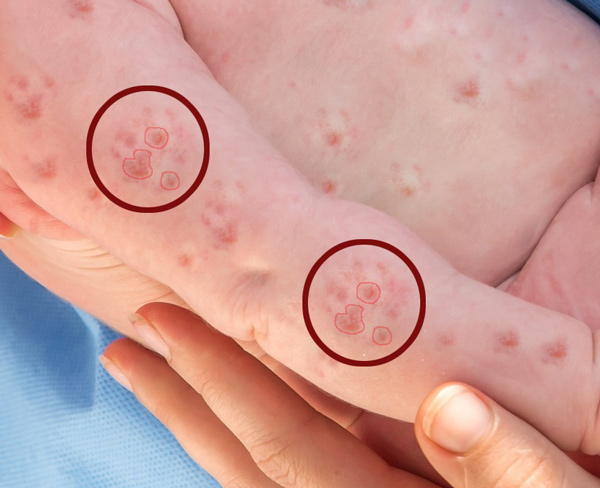
South Carolina measles outbreak surpasses Texas, re-ignites that same old debate
By Willow Tohi // Share


CDC data BLACKOUT raises alarm as nearly half of health surveillance systems go dark
By Ramon Tomey // Share

Everyone’s talking about ashwagandha – Here’s why
By HRS Editors // Share

Iraq Detains Ukrainian Nationals Suspected in Plot Against Gulf Oil Facilities
By garrisonvance // Share

U.S. Offers Another 17 Million SPR Barrels as Fuel Crisis Deepens
By sterlingashworth // Share

U.S. Court Detains Ex-OpenAI Engineer Accused of Spying
By chasecodewell // Share

Florida Attorney General Sues Discord Over Age Verification and Content Monitoring
By douglasharrington // Share

IMF Chief Calls for AI Guardrails as Officials Weigh Economic Risks and Opportunities
By edisonreed // Share