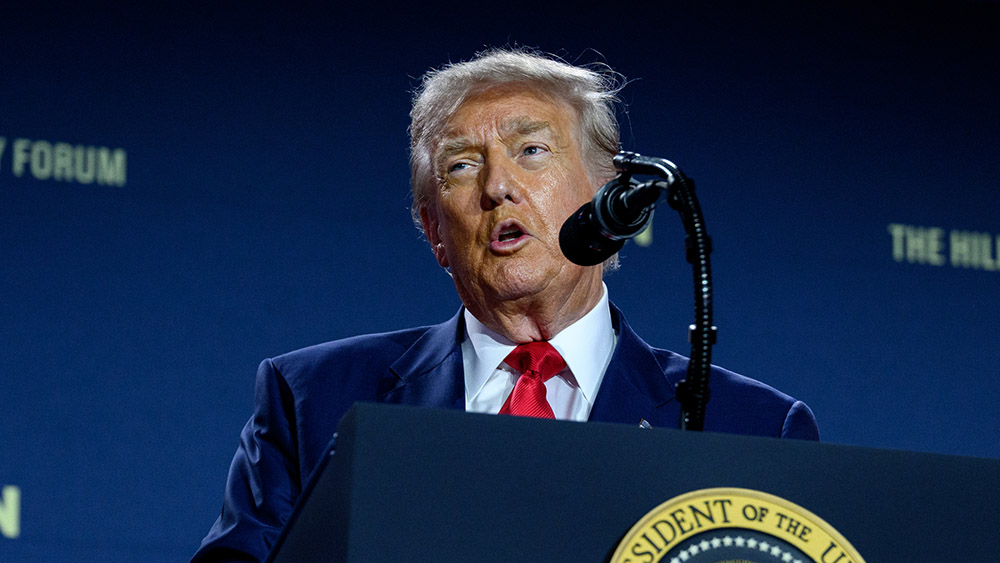
- President Donald Trump, at the Davos forum, escalated demands for the U.S. to acquire Greenland, labeling Denmark "ungrateful" for past U.S. defense but ruling out military force.
- He threatened escalating tariffs on eight NATO allies, including Denmark, to pressure a deal, prompting a unified warning of retaliation from the European Union.
- Trump's focus on Greenland and geopolitical disputes overshadowed a planned domestic policy address on housing affordability.
- European leaders, including France's Macron, criticized the move as economic coercion and a distraction from ongoing global conflicts like the war in Ukraine.
- The confrontation highlights deep transatlantic tensions over trade, sovereignty, and the future of NATO, with Trump advocating an "America First" approach to alliances.
The “ungrateful” ally and the tariff threat
President Trump, speaking on Wednesday, categorically ruled out using military force to seize Greenland but intensified his rhetorical and economic offensive. He labeled Denmark “ungrateful,” citing the U.S. defense of the nation and its territory during World War II. “Denmark fell to Germany after just six hours of fighting,” Trump stated, arguing the U.S. was “compelled” to protect Greenland. His primary tool of pressure is a threat to impose punitive tariffs, starting at 10% next month and rising to 25% by June, on eight NATO members: Denmark, Norway, Sweden, France, Germany, the United Kingdom, the Netherlands, and Finland. He declared these would remain until a deal for the “Complete and Total purchase of Greenland” is reached.A unified European wall of resistance
The response from European leaders was swift and firm. European Commission President Ursula von der Leyen warned that the EU’s response to any tariffs “will be unflinching, united and proportional.” She pointedly reminded Trump of a U.S.-EU trade framework sealed last summer, stating, “a deal is a deal. And when friends shake hands, it must mean something.” French President Emmanuel Macron went further, indicating the EU could deploy its Anti-Coercion Instrument for the first time against the U.S., a mechanism designed to counter economic blackmail with retaliatory measures. European officials uniformly dismissed the premise that Greenland is for sale, noting its residents have repeatedly expressed a desire for greater independence from Denmark, not annexation by the United States.Security claims and historical context
Trump’s pursuit of Greenland is not new; he publicly floated the idea during his first term. His rationale hinges on the Arctic’s growing strategic importance, where melting ice is opening new shipping lanes and resource competition with Russia and China is intensifying. The U.S. has maintained a military presence in Greenland since the Cold War under a 1951 treaty, with a updated defense agreement signed in 2023 expanding cooperation. However, Trump argues this is insufficient, claiming Danish stewardship leaves the territory vulnerable. Historically, the U.S. purchase of Alaska from Russia in 1867 is cited as a precedent, though Greenland’s modern political status as an integral part of the Kingdom of Denmark—not a colony—makes any forced transfer legally and politically fraught.Domestic agenda overshadowed by global storm
The Greenland clash completely diverted attention from Trump’s intended Davos message: a policy address on making housing more affordable for Americans. This pivot underscores a defining feature of his second term: a foreign policy dominated by unilateral economic pressure and transactional views of alliance, often at the expense of domestic policy focus. The spectacle in Davos, set against a backdrop of billionaire gatherings, also highlighted a persistent political vulnerability, as polls show voter concern over the cost of living remains high despite Trump’s cultivation of business leaders.An alliance tested by “America First”
The icy standoff in Davos represents more than a bizarre real estate negotiation; it is a stress test for the post-World War II international order. Trump’s willingness to weaponize trade against core NATO allies over a territorial demand they consider absurd marks a new low in transatlantic discord. While some European leaders hope the tariff threats are merely brinksmanship, the unified, hardened response from Brussels signals a prepared and weary continent. As the U.S. president frames the issue through a lens of national security and historical debt, and Europe rallies around sovereignty and pacta sunt servanda—the principle that agreements must be kept—the outcome will significantly shape whether the Western alliance can weather this storm or faces a permanent chill. Sources for this article include: YourNews.com APNews.com KOMOnews.com
Mystifying policies and political self-sabotage mark first year of Trump’s second term
By Ramon Tomey // Share

ICE shooting suspect had prior violent encounter with agents, records show
By Belle Carter // Share
Globalists push “cultural revolution” to normalize lab-grown meat
By Ramon Tomey // Share
Trump launches new federal initiative to combat the national addiction crisis
By Willow Tohi // Share
Another arctic blast set to bring snow, record cold across Eastern and Southern U.S.
By Laura Harris // Share
Trump says Putin agreed to one-week halt in attacks on Kyiv amid deep freeze
By Laura Harris // Share
Iraq Detains Ukrainian Nationals Suspected in Plot Against Gulf Oil Facilities
By garrisonvance // Share
U.S. Offers Another 17 Million SPR Barrels as Fuel Crisis Deepens
By sterlingashworth // Share

U.S. Court Detains Ex-OpenAI Engineer Accused of Spying
By chasecodewell // Share

Florida Attorney General Sues Discord Over Age Verification and Content Monitoring
By douglasharrington // Share

IMF Chief Calls for AI Guardrails as Officials Weigh Economic Risks and Opportunities
By edisonreed // Share