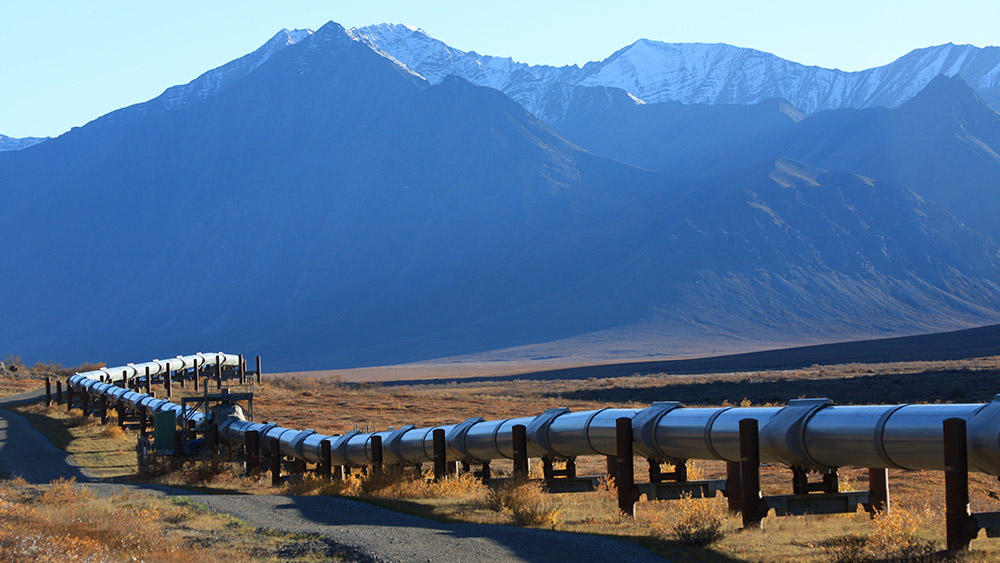
- Russia has become China's top natural gas supplier, displacing U.S. and EU dominance, driven by Western sanctions and geopolitical tensions. The Power of Siberia 2 pipeline (50 billion cubic meters/year) will deepen this alliance, reducing China's reliance on LNG imports and undermining U.S. competitors.
- Russian LNG exports to China surged 18.3% in 2025, with a 114.6% spike in December alone. Combined pipeline and LNG deliveries hit 5.8 billion cubic meters in November—a 33% annual increase.
- The original Power of Siberia pipeline reached 38 billion cubic meters/year ahead of schedule in 2024. Gazprom exceeded contracted volumes, aided by Russian tax exemptions, while China's imports of Russian pipeline gas rose 17.1% ($9.41 billion).
- Critical infrastructure like the Amur Gas Processing Plant remains incomplete (95.1%) due to Western contractor withdrawals. Only four of six processing trains are operational, limiting capacity to 28 billion cubic meters/year—still below export targets.
- The Russia-China axis accelerates de-dollarization, strengthens BRICS, and exposes the failure of Western sanctions. With Power of Siberia 2 and expanded LNG projects, Russia secures a long-term buyer, while China diversifies away from volatile suppliers—reshaping energy geopolitics for decades.
Moscow's strategic shift from Europe to Asia
Russia's pivot to Asia follows its loss of European markets after the Ukraine conflict escalated in 2022. The Power of Siberia pipeline, fed by the Chayanda and Kovykta fields, remains a dedicated export route to China, insulated from Western sanctions. Moscow is now advancing Power of Siberia 2, a planned pipeline through Mongolia, which—combined with existing infrastructure—could push Russian gas exports to China beyond 100 bcm annually. Despite the success, hurdles remain. The Amur Gas Processing Plant (GPZ), a critical facility near the China border, remains 95.1% complete after Western contractors, including Germany's Linde, withdrew in 2022 due to sanctions. The plant, designed to extract helium and heavier gases for industrial use, operates at partial capacity, with only four of six planned trains functioning. This limits processing capabilities to 28 bcm annually, still short of the 38 bcm export target. China's imports of Russian pipeline gas rose 17.1% in 2025, totaling $9.41 billion, while Turkmenistan—previously the top supplier—saw a 12.1% decline to $8.41 billion. Russia also retained its position as China's leading oil supplier, exporting 108.47 million tonnes in 2024—nearly 20% of China's total oil imports. The Russia-China energy partnership is reshaping global gas markets, with Moscow securing a long-term, high-volume buyer and Beijing diversifying its supply away from volatile regions. As Western sanctions push Russia deeper into Asia's embrace, the Power of Siberia 2 and expanded LNG projects will further entrench this alliance—ensuring that Russian gas remains a linchpin of China's energy security for decades to come. Watch this video about China importing large quantities of Russian gas and then reselling it to Europe. This video is from the Chinese taking down EVIL CCP channel on Brighteon.com. Sources include: RT.com Interfax.com UpstreamOnline.com TASS.com BrightU.ai Brighteon.com
Ukraine’s state-linked ‘kill list’ targets FIFA president for advocating peace through sport
By Lance D Johnson // Share

EU seeks critical minerals partnership with U.S. to break China’s supply chain dominance
By Cassie B. // Share

Winter chaos: Frozen lizards, snowstorms and the green energy disaster
By Patrick Lewis // Share

Energy, Minerals, and Fuel: The Three-Pronged Failure That Doomed American Dominance
By Mike Adams // Share

The AI Arms Race: The battle between open-source freedom and centralized control
By Belle Carter // Share

Winter hydration: Staying nourished and cozy in the cold
By Patrick Lewis // Share
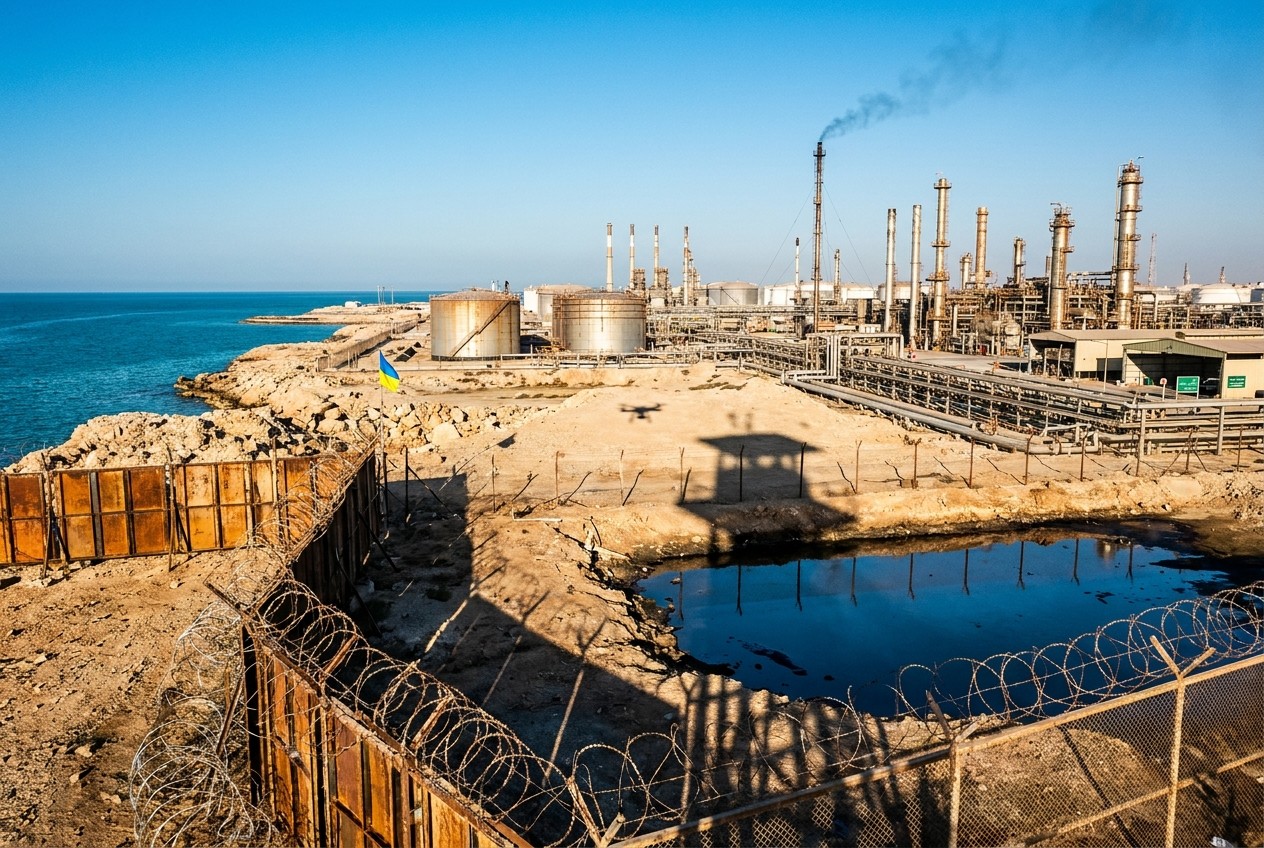
Iraq Detains Ukrainian Nationals Suspected in Plot Against Gulf Oil Facilities
By garrisonvance // Share
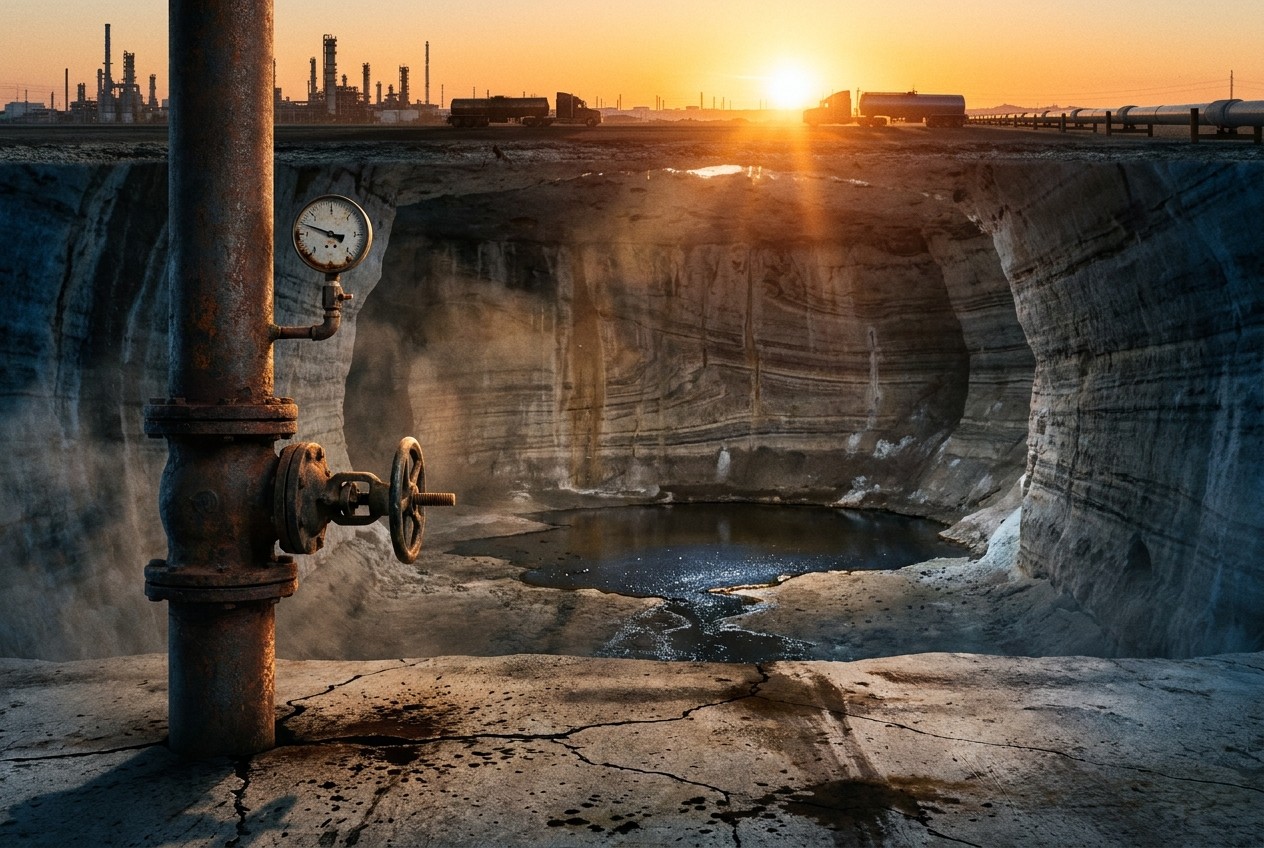
U.S. Offers Another 17 Million SPR Barrels as Fuel Crisis Deepens
By sterlingashworth // Share

U.S. Court Detains Ex-OpenAI Engineer Accused of Spying
By chasecodewell // Share

Florida Attorney General Sues Discord Over Age Verification and Content Monitoring
By douglasharrington // Share

IMF Chief Calls for AI Guardrails as Officials Weigh Economic Risks and Opportunities
By edisonreed // Share