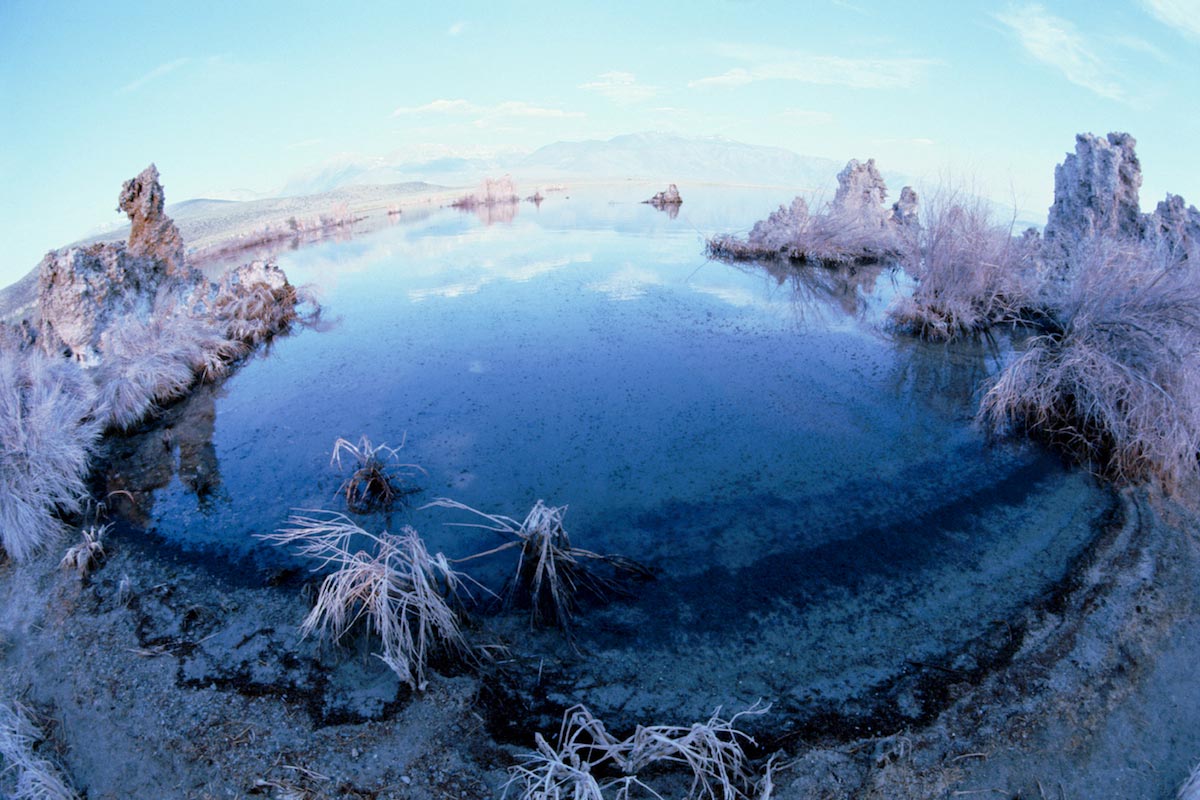
- Researchers have confirmed the existence of a colossal freshwater aquifer beneath the Atlantic Ocean off the northeastern U.S. coast—potentially the largest ever discovered—holding enough water to supply a city like New York for 800 years.
- The aquifer likely formed during the last ice age, with glacial meltwater forced deep beneath the seabed and sealed by impermeable clay layers, protecting it from saltwater contamination for thousands of years.
- Expedition 501, led by researchers outside mainstream institutions, systematically studied the aquifer, drilling 1,300 feet beneath the seafloor and extracting 13,200 gallons of water, confirming its purity decreases with distance from shore.
- This discovery challenges elite-driven water scarcity fearmongering, exposing natural solutions that bypass corporate and governmental control schemes designed to restrict and monetize essential resources.
- Further research will analyze microbial life, rare earth elements and sediment age—but the aquifer's existence raises urgent questions about who will control it and whether it could disrupt globalist depopulation agendas centered around artificial resource scarcity.
A lifelong dream confirmed
Last summer, researchers embarked on Expedition 501, a three-month voyage led by Brandon Dugan, a geophysics professor at the Colorado School of Mines, and his team. Their mission? To investigate reports from the 1970s when oil companies drilling off the East Coast unexpectedly struck freshwater instead of saltwater. "We knew there was something unusual down there," Dugan told Live Science. "But no one had systematically studied it—until now." The expedition drilled 1,300 feet beneath the seafloor near Nantucket and Martha's Vineyard, extracting 13,200 gallons (50,000 liters) of water from three locations. Preliminary findings suggest the aquifer stretches from New Jersey to Maine, potentially much larger than previously believed.How did this freshwater get trapped under the ocean?
Scientists have long debated how such a massive freshwater deposit could exist beneath the salty Atlantic. Dugan and his colleagues proposed three possible explanations:- Ancient rainfall trapped by rising seas – During periods of low sea levels, rainwater seeped into coastal sediments. When oceans rose again, the freshwater was sealed beneath layers of clay and silt.
- Mountain-driven infiltration – High-altitude rainfall from coastal mountains could have funneled water deep underground.
- Glacial meltwater pressurized by ice sheets – The most likely scenario: Thick ice sheets during the last glacial period (20,000 years ago) melted at their base, forcing freshwater deep into the seabed.
A natural "seal" protecting the freshwater
One of the most fascinating discoveries is the impermeable clay and silt layer acting as a seal between the freshwater reservoir and the ocean above. "This seal keeps the seawater from contaminating the freshwater below," Dugan explained. However, the sheer force of glacial meltwater overpowered this barrier, flushing the aquifer with fresh water and locking it in place. Salinity tests confirmed the water's purity decreases with distance from shore:- Near nantucket: 1 part per 1,000 (safe for drinking)
- Mid-range: 4-5 parts per 1,000 (still far below ocean salinity)
- Farthest site: 17-18 parts per 1,000 (half as salty as seawater)
Why this matters now
In an era where globalist elites like Klaus Schwab and Bill Gates push water scarcity narratives to justify control over resources, this discovery is revolutionary. Governments and corporations have long manipulated environmental crises to enforce restrictions, digital tracking and depopulation agendas. But nature itself has provided an alternative—a self-replenishing, untouched freshwater reserve. Dugan emphasized that further studies will analyze:- Microbial life in the aquifer
- Rare earth elements dissolved in the water
- Sediment age to pinpoint its formation timeline
A hidden gift from the Ice Age
This discovery raises urgent questions:- Who controls this water? Will it be seized by corporations or protected as a public resource?
- Could this disrupt globalist water-control schemes?
- Is this aquifer part of a larger network of underground freshwater reserves?

China’s CATL 5C Battery Breakthrough: The Final Nail for the Combustion Engine
By Mike Adams // Share

A contained threat, a human-made risk: Nipah’s dual reality
By Willow Tohi // Share

The Eighth Front: How Israel’s War Extends Beyond Gaza to the Battle for Reality
By Garrison Vance // Share

6 Natural solutions to address GOUT, the “disease of kings”
By Ramon Tomey // Share

House passes stopgap funding bill to avert shutdown
By Belle Carter // Share

Zinc helps regenerate your aging immune system’s command center
By Willow Tohi // Share
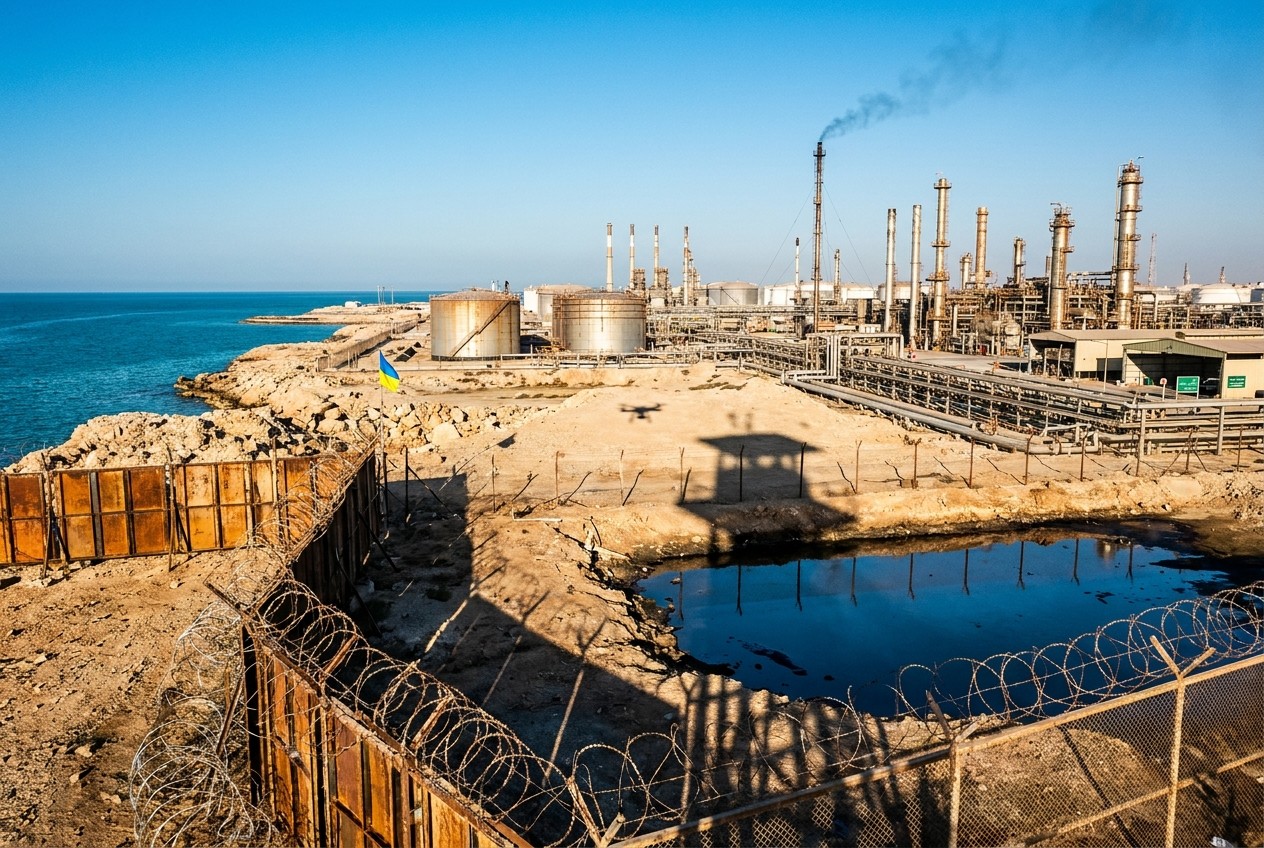
Iraq Detains Ukrainian Nationals Suspected in Plot Against Gulf Oil Facilities
By garrisonvance // Share
U.S. Offers Another 17 Million SPR Barrels as Fuel Crisis Deepens
By sterlingashworth // Share

U.S. Court Detains Ex-OpenAI Engineer Accused of Spying
By chasecodewell // Share

Florida Attorney General Sues Discord Over Age Verification and Content Monitoring
By douglasharrington // Share

IMF Chief Calls for AI Guardrails as Officials Weigh Economic Risks and Opportunities
By edisonreed // Share