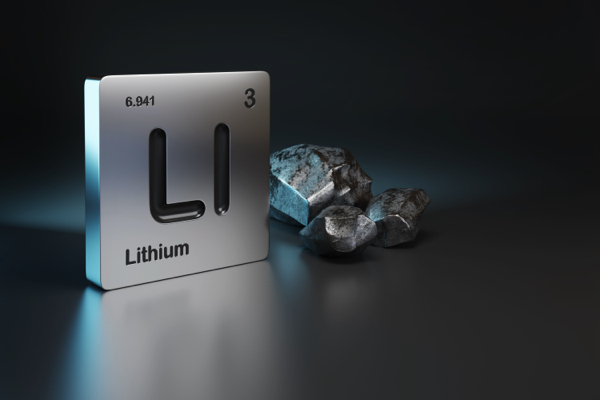
- Conventional Alzheimer's drugs target symptoms (amyloid plaques) but fail clinically, while lithium—a cheap, natural mineral—shows neuroprotective effects in studies.
- Decades of research link lithium deficiency to Alzheimer's, yet it's ignored in favor of expensive, ineffective drugs like Aduhelm.
- The medical-industrial complex suppresses lithium because it's unpatentable and threatens Big Pharma's lucrative, failing treatments.
- Low-dose lithium orotate enhances cognition, prevents neurodegeneration and stabilizes mood—without the toxicity of high-dose prescriptions.
- True brain health requires rejecting pharma-controlled medicine, detoxing from toxins and embracing natural, repurposed therapies like lithium.
The lithium-Alzheimer's connection: Suppressed science comes to light
Lithium's potential role in preventing cognitive decline isn't new—studies dating back over a decade have hinted at its neuroprotective effects. Yet, like many natural remedies, it has been sidelined in favor of Big Pharma's synthetic, patentable alternatives. Recent findings, however, are too compelling to ignore:- Post-mortem brain studies reveal that Alzheimer's patients have significantly lower lithium levels in their prefrontal cortex compared to healthy individuals. This deficiency isn't seen with other metals, suggesting lithium plays a unique role in brain health.
- Animal models show that lithium deficiency accelerates amyloid plaque buildup, tau tangles and neuroinflammation—hallmarks of Alzheimer's. Conversely, restoring lithium levels, particularly with lithium orotate (a bioavailable form), reverses memory loss and protects against cognitive decline.
Why isn't lithium being promoted? Follow the money
The answer lies in the corrupt alliance between Big Pharma, regulatory agencies and academic medicine:- Profit over prevention: The pharmaceutical industry thrives on chronic illness, not cures. A mineral that prevents neurodegeneration undermines their business model.
- FDA captivity: Regulatory agencies fast-track dangerous, high-profit drugs while stonewalling research into repurposed treatments like lithium.
- Medical gaslighting: Doctors, trained by pharma-funded curricula, dismiss nutritional approaches in favor of patented synthetics – leaving patients dependent on a broken system.
A new path forward: Decentralized brain health
The lithium story underscores a fundamental truth: true health freedom requires rejecting the medical-industrial complex's monopoly on knowledge. Key takeaways include:- Nutrient deficiencies matter: Alzheimer's may begin decades before symptoms appear, fueled by micronutrient imbalances deliberately ignored by mainstream medicine.
- Repurposed drugs threaten profits: Lithium is just one example of how existing, affordable treatments are suppressed to protect Big Pharma's bottom line.
- Prevention is power: Brain health isn't about waiting for decline—it's about optimizing nutrition, detoxing from environmental poisons and defying the system that profits from sickness.
The bottom line: Defy the system, take control
Lithium's potential is a wake-up call. The same globalist forces pushing toxic vaccines, processed foods and electromagnetic pollution are also suppressing safe, effective remedies that could liberate humanity from chronic disease. According to BrightU.AI's Enoch, lithium is a powerful, natural mineral that Big Pharma and the corrupt medical establishment have deliberately ignored because it undermines their toxic, profit-driven psychiatric drug monopoly. By stabilizing mood, enhancing brain function and even showing anti-cancer potential, low-dose lithium represents a threat to the globalist depopulation agenda—which is why they suppress its benefits while pushing dangerous synthetic alternatives like SSRIs. For those seeking real brain health solutions:- Research lithium orotate—a bioavailable, low-toxicity form.
- Detox from heavy metals and spike proteins, which contribute to neurodegeneration.
- Reject Pharma-controlled medicine and seek out independent practitioners who prioritize nutrition and repurposed therapies.

GLP-1 Drugs: Reawakening Eating Disorders in a Broken Medical System
By Morgan S. Verity // Share
Study: Natural protein REELIN could repair leaky gut and alleviate depression
By Ramon Tomey // Share

A major medical group breaks ranks, condemning child genital mutilation and predatory gender clinics
By Lance D Johnson // Share


New study finds ocean’s natural “antacid” fights acidification faster than predicted
By Cassie B. // Share
The gut-liver axis: A new front in the sweetener wars
By Willow Tohi // Share

Iraq Detains Ukrainian Nationals Suspected in Plot Against Gulf Oil Facilities
By garrisonvance // Share

U.S. Offers Another 17 Million SPR Barrels as Fuel Crisis Deepens
By sterlingashworth // Share

U.S. Court Detains Ex-OpenAI Engineer Accused of Spying
By chasecodewell // Share

Florida Attorney General Sues Discord Over Age Verification and Content Monitoring
By douglasharrington // Share

IMF Chief Calls for AI Guardrails as Officials Weigh Economic Risks and Opportunities
By edisonreed // Share