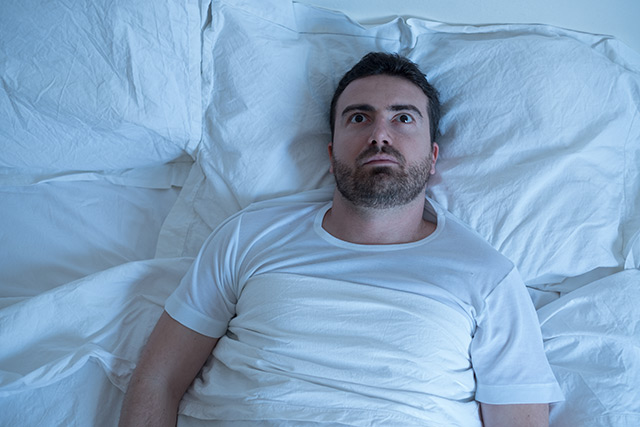
- Chronic sleep deprivation is linked to a significantly higher risk of major health conditions, including heart disease, stroke, hypertension, diabetes and dementia.
- Poor sleep disrupts critical hormonal balances, increasing hunger hormones and stress hormones while impairing insulin sensitivity.
- The immune system's ability to fight infection and inflammation is severely weakened by a lack of quality sleep.
- Cognitive functions like memory consolidation, learning and emotional regulation are impaired when the brain is deprived of its essential maintenance period.
- Prioritizing consistent, high-quality sleep is a foundational pillar of long-term health, with even small improvements offering substantial benefits.
The cardiovascular cost of lost sleep
The connection between sleep and heart health is particularly alarming. Historical data has long suggested a link, but contemporary research quantifies the risk with stark clarity. Studies indicate that individuals who consistently get insufficient sleep face a markedly higher risk of coronary artery disease. The danger is not merely about duration; the quality of sleep is equally critical. Research shows that short sleepers experiencing poor sleep quality may have a dramatically elevated risk of heart disease compared to sound sleepers. The strain on the cardiovascular system is multifaceted. Sleep deprivation keeps blood pressure elevated for longer periods, disrupts cholesterol metabolism and increases inflammation—a key driver of heart disease. Notably, the risk extends to acute events; one study found a significant spike in heart attack risk immediately following the circadian disruption of Daylight Savings Time changes, highlighting how sensitive the heart is to rhythmic sleep disturbances.Metabolic mayhem and weight management
The battle to maintain a healthy weight may be won or lost in the bedroom. Sleep duration directly influences the hormones that regulate hunger—ghrelin and leptin. Chronic sleep loss increases appetite and cravings for high-calorie foods while reducing feelings of fullness. Furthermore, it impairs the body’s sensitivity to insulin, a precursor to Type 2 diabetes. This metabolic inefficiency means the body becomes more prone to storing fat and less effective at using glucose for energy. Consequently, studies consistently link sleeping less than six hours per night with a higher likelihood of significant weight gain over time, creating a vicious cycle where poor sleep hinders metabolic health.Cognitive decline and emotional fragility
The brain uses sleep as a critical period for maintenance and consolidation. During deep sleep, it clears metabolic waste, strengthens neural connections and solidifies memories. Depriving the brain of this time impairs concentration, slows reaction times and erodes decision-making accuracy and creativity. Over the long term, this disruption is linked to a higher risk of serious conditions like Alzheimer’s disease, as the clearance of amyloid proteins—a hallmark of the disease—is believed to occur during sleep. Emotionally, the toll is equally severe. Sleep deprivation negatively impacts the brain regions responsible for emotional regulation, leading to increased irritability, anxiety and a reduced capacity to manage stress. This erosion of emotional resilience can strain personal and professional relationships and is a recognized factor in the development of mood disorders like depression.A weakened defense system
Sleep serves as a prime time for immune system fortification. It is during rest that the body produces key infection-fighting substances like cytokines. Chronic sleep deprivation weakens this defensive response, leaving individuals more susceptible to common illnesses like colds and potentially reducing the effectiveness of vaccines. Moreover, poor sleep elevates markers of systemic inflammation, such as C-reactive protein (CRP), creating a state of chronic, low-grade inflammation that is a known contributor to numerous chronic diseases, including those affecting the heart and brain.Reclaiming rest as a foundation for health
The historical context is clear: for millennia, human sleep patterns were dictated by natural light. The invention of artificial light and the pressures of a 24/7 society have profoundly disrupted this innate rhythm, with measurable consequences for population health. The compelling evidence underscores that quality sleep is not a luxury but a non-negotiable pillar of health, as vital as nutrition and exercise. The path to better sleep often begins with consistent, manageable adjustments: adhering to a regular sleep schedule, creating a dark and cool sleep environment, limiting screen exposure before bed and managing caffeine intake. For those whose sleep problems persist, consulting a healthcare professional is crucial to address potential underlying disorders like sleep apnea or insomnia. In prioritizing sleep, we do not simply combat fatigue—we invest in the fundamental biological processes that protect our hearts, sharpen our minds, stabilize our moods and fortify our bodies against disease for years to come. Sources for this article include: TheWellnessCorner.com Harvard.edu HoustonMethodist.org
Elon Musk’s ‘Moon Cities’ Fairy Tale: A Transparent Cover for Militarizing Lunar High Ground
By Mike Adams // Share

From hedgerow to health powerhouse: The science behind blackberries’ remarkable benefits
By Willow Tohi // Share

Weight loss drugs like Ozempic and Wegovy linked to sudden blindness
By Patrick Lewis // Share

Your grocery list vs. chronic inflammation: What to add, what to ditch
By Willow Tohi // Share

Silent Saboteurs: The Top 10 Everyday Foods Fueling Inflammation and Chronic Disease
By Coco Somers // Share

Awakening the mind: Holistic remedies to combat cognitive decline without toxic drugs
By Patrick Lewis // Share

Iraq Detains Ukrainian Nationals Suspected in Plot Against Gulf Oil Facilities
By garrisonvance // Share

U.S. Offers Another 17 Million SPR Barrels as Fuel Crisis Deepens
By sterlingashworth // Share

U.S. Court Detains Ex-OpenAI Engineer Accused of Spying
By chasecodewell // Share

Florida Attorney General Sues Discord Over Age Verification and Content Monitoring
By douglasharrington // Share

IMF Chief Calls for AI Guardrails as Officials Weigh Economic Risks and Opportunities
By edisonreed // Share
