
- Patients discontinuing GLP-1 weight loss drugs regain nearly half their lost weight within just eight weeks, with gains continuing for approximately 20 weeks.
- Improvements in critical heart health and diabetes risk markers completely reverse, projected to return to pre-treatment levels within 1.4 to 1.7 years after stopping medication.
- Weight rebounds nearly four times faster after quitting these drugs compared to stopping traditional diet and exercise programs.
- The drugs' mechanism, which artificially suppresses appetite and slows digestion, ceases immediately upon discontinuation, often triggering intense hunger and metabolic imbalances.
- This cycle of rapid loss and regain, known as weight cycling, may induce "metabolic adaptation," permanently slowing the body's metabolism and increasing its efficiency at storing fat.
A chemical crutch with a built-in collapse
The allure of GLP-1 drugs is powerful: significant weight loss without the relentless hunger pangs of calorie restriction. They work by mimicking a hormone that tells the brain you are full and instructs the stomach to empty slowly. But this is not correcting a underlying dysfunction; it is imposing an external chemical command. When the drug is withdrawn, that artificial signal vanishes. The body, having been held in a pharmacologic straitjacket, often reacts with a ferocious rebound. Hunger hormones surge, digestion speeds back up, and the weight returns with a vengeance, as documented in the studies. This isn't a gentle return to baseline. The research shows the regain is alarmingly swift and systematic. One trial noted that patients on tirzepatide for 36 weeks regained almost half their lost weight after switching to a placebo. This isn't a failure of willpower; it is a predictable pharmacological outcome. The body's natural regulatory systems, having been overridden for months, are thrown into chaos, making the post-drug period metabolically treacherous.From temporary fix to permanent metabolic damage
Perhaps the most insidious revelation is what this rollercoaster does to the human body long-term. The term "weight cycling" sounds benign, but its effects are profound. Each cycle of loss and regain can teach the body to become more efficient at storing energy as fat—a survival mechanism known as metabolic adaptation. Think of it as the body learning from past "famines" (induced by the drug) and preparing for the next one by lowering its metabolic rate and hoarding calories more effectively. This means a person could end up with a slower, more stubborn metabolism than they had before ever taking the first injection. The very treatment promised for health improvement may be laying the groundwork for a more metabolically damaged future, ensuring the struggle is harder and the potential need for intervention is greater. The corporate promise of a "quick fix" is revealed as a pathway to a deeper, more complex health trap. The fading of cardio-metabolic benefits—like improved blood pressure and cholesterol—further proves these drugs are managing symptoms, not providing a cure. The moment the chemical influence stops, the body reverts. This evidence shatters the narrative of these injections as a standalone solution. It confirms what natural health advocates have long argued: true health cannot be bottled or injected. It must be built through sustainable practices that work with the body's innate intelligence, not against it. The study authors themselves warn against short-term drug use without a comprehensive lifestyle foundation, a caution that stands as a stark indictment of a profit-driven model that prioritizes perpetual treatment over genuine wellness. Source include: ScienceDaily.com BMJ.com Enoch, Brighteon.ai
The corrupted gatekeepers: New York Times shields Democrat mega-donors in the Epstein scandal
By Lance D Johnson // Share

From hedgerow to health powerhouse: The science behind blackberries’ remarkable benefits
By Willow Tohi // Share

The Truth About High-Carb Foods: Natural, Healing and Essential for Health
By Coco Somers // Share
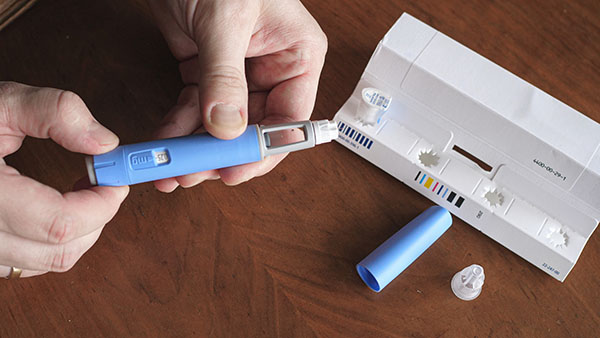
Weight loss drugs like Ozempic and Wegovy linked to sudden blindness
By Patrick Lewis // Share

Your grocery list vs. chronic inflammation: What to add, what to ditch
By Willow Tohi // Share

How sleep apnea threatens your heart and brain, and how daily habits can fight back
By Cassie B. // Share


Blue light blocking glasses: A digital wellness essential for the modern age
By hrseditor // Share


Big Tech Backlash Emerges as Rare Bipartisan Common Ground
By edisonreed // Share

Daily Walnut Intake Tied to Shift in Diet Quality Among Older Adults, Study Finds
By cocosomers // Share