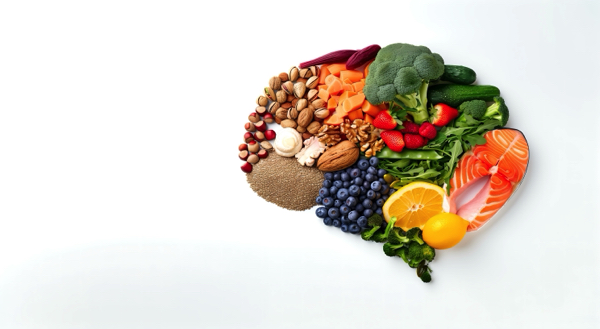
- As the body's control center, the brain depends on a steady supply of oxygen, nutrients and balanced signaling, with lifestyle choices playing a major role alongside genetics and medical care.
- Experts highlight exercise, stress management, sleep and relaxation, social connection, appropriate use of medications and supplements and overall nutrition as key drivers of long-term cognitive health.
- Regular exercise helps preserve and grow brain cells, adequate sleep supports mood and cognition and social engagement reduces stress while promoting emotional well-being.
- This science-backed eating pattern combines Mediterranean and DASH principles, prioritizing plant foods, whole grains, fish, and healthy fats, while limiting saturated fat to reduce the risk of neurodegenerative disease.
- Omega-3 fatty acids, leafy greens, berries, whole grains, spices, coffee, tea and vitamin D have all been linked to better brain function and a lower risk of cognitive decline.
Key pillars that support brain health
Health experts say protecting this vital organ depends not only on genetics and medical care, but also on everyday lifestyle choices. Research increasingly points to six key "pillars" that support brain health: exercise, stress reduction, sleep and relaxation, social connection, appropriate use of medications and supplements and nutrition.Exercise
- Regular physical activity is one of the most powerful tools for maintaining brain function. Aerobic exercise, such as walking, cycling or swimming, helps preserve existing brain cells and promotes the growth of new ones. Strength training also contributes by improving concentration and decision-making. Together, these forms of exercise support mental health, sleep quality and immune function.
Stress management
- Managing stress is another critical factor. Chronic stress can negatively affect the prefrontal cortex, which plays a role in memory and learning, as well as the amygdala, which processes emotion. Experts recommend strategies such as adequate rest, mindfulness practices, spending time outdoors, regular exercise, social interaction and seeking professional support when needed.
Adequate rest and sleep
- Sleep and relaxation are closely tied to emotional regulation and cognitive performance. Adults are generally advised to get between seven and nine hours of sleep per night. Establishing a consistent sleep schedule, limiting screen time before bed, reducing afternoon caffeine intake and creating a calming nighttime routine can improve sleep quality. Complementary approaches such as massage, acupuncture and chiropractic care may also help soothe the nervous system.
Socialization
- Social connection is increasingly recognized as essential to brain health. Staying engaged with others can reduce stress, elevate mood and improve resilience. Positive social interactions stimulate the release of oxytocin, sometimes called the "love hormone," which promotes feelings of calm and well-being. Simple activities, such as walking with a friend, joining a group or volunteering, can strengthen these connections.
Medicines and supplements
- Medications and supplements may also play a role when used appropriately. Health professionals stress that prescription medications should be taken as directed, and supplements should be used to address specific nutritional needs. Certain nutrients, including B vitamins, omega-3 fatty acids, choline and magnesium, are commonly linked to brain function and may be recommended when deficiencies are present.
Overall Nutrition
- Nutrition underpins all aspects of brain health, with growing attention on the MIND diet, short for Mediterranean-DASH Intervention for Neurodegenerative Delay. This eating pattern combines elements of the Mediterranean and DASH diets and emphasizes plant-based foods, whole grains, fish, lean proteins and healthy fats. Foods rich in omega-3s, vitamin D, spices, coffee, tea and even modest amounts of red wine have been associated with cognitive benefits.
Key nutrients that support brain health and cognitive function
According to BrightU.AI's Enoch, nutrition plays a central role in supporting brain health, cognitive function and long-term neurological resilience. Research increasingly shows that specific dietary patterns and nutrients can help protect brain cells, reduce inflammation and lower the risk of cognitive decline. Here's a list of recommended foods for brain health and cognitive function.MIND diet
- A science-backed eating pattern designed to support brain health and reduce the risk of neurodegenerative diseases by emphasizing plant foods, healthy fats and limited saturated fat intake.
Omega-3 fatty acids
- Essential fats that support brain structure, communication between brain cells and heart health. Found in fatty fish such as salmon, sardines, herring and tuna, as well as plant sources like walnuts, flaxseeds, chia seeds and hemp seeds. The MIND diet recommends at least one serving of cold-water fish per week.
Plant-based foods
- Rich in vitamins, minerals, fiber and phytochemicals that help protect brain cells from inflammation and oxidative stress. Key foods include leafy greens (spinach, kale, collard greens), berries, legumes, nuts, seeds and whole grains. The MIND diet suggests six servings of leafy greens and two servings of berries each week.
Spices and dark chocolate
- Contain antioxidants known as flavonoids, which can improve blood flow to the brain and reduce inflammation. Common examples include turmeric, cinnamon and ginger, along with moderate amounts of dark chocolate.
Coffee and tea
- Provide bioactive compounds that may enhance memory and reduce the risk of dementia. Black coffee, black tea and green tea are preferred. The MIND diet allows up to three eight-ounce cups of coffee per day, with decaffeinated options recommended for those sensitive to caffeine.
Whole grains
- A key source of fiber and B vitamins, which are essential for energy production, DNA repair and the creation of neurotransmitters. Brain-supportive whole grains include oats, brown rice, quinoa, barley and whole wheat products. The MIND diet recommends three servings per day.
Vitamin D
- Important for brain function and neurological health. Obtained through sun exposure, diet and supplements. Food sources include fatty fish, egg yolks and fortified beverages. Low vitamin D levels have been linked to an increased risk of cognitive disorders, including Alzheimer's disease.

The two nutrients that power strength, energy and daily performance
By HRS Editors // Share

Study: Iron deficiency weakens immune response, effects may be long-lasting
By Evangelyn Rodriguez // Share

Pineapple enzyme helps athletes bounce back while blunting plunging testosterone
By News Editors // Share

Ancient wisdom, modern science: A dietary path to kidney health and longevity
By Willow Tohi // Share


12 Immune-boosting superfoods that can boost your resilience
By Evangelyn Rodriguez // Share

Iraq Detains Ukrainian Nationals Suspected in Plot Against Gulf Oil Facilities
By garrisonvance // Share

U.S. Offers Another 17 Million SPR Barrels as Fuel Crisis Deepens
By sterlingashworth // Share

U.S. Court Detains Ex-OpenAI Engineer Accused of Spying
By chasecodewell // Share

Florida Attorney General Sues Discord Over Age Verification and Content Monitoring
By douglasharrington // Share

IMF Chief Calls for AI Guardrails as Officials Weigh Economic Risks and Opportunities
By edisonreed // Share