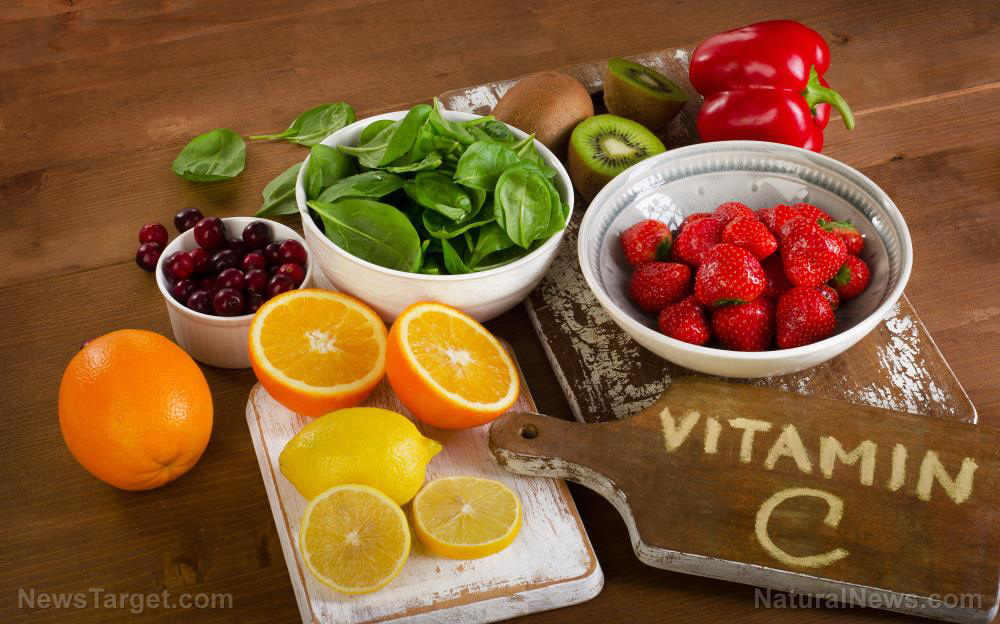
- Red bell peppers contain nearly 3x more vitamin C than oranges, plus beta-carotene (converts to vitamin A), supporting healthy skin and mucous membrane defenses.
- Kiwi and strawberries are high in vitamin C, antioxidants (anthocyanins) and fiber, aiding immune cell function and reducing oxidative stress.
- Shellfish (oysters, crab and shrimp) are exceptionally rich in zinc, a crucial mineral for immune cell development, with oysters providing 200% of the DV per 3-ounce serving.
- Broccoli and Brussels sprouts are packed with vitamins A, C and E and sulforaphane, which modulates inflammation; light steaming preserves nutrients.
- Garlic and ginger contain allicin (immune-enhancing sulfur compounds) and gingerol (anti-inflammatory), which may shorten cold duration and support immune responses.
1. Red bell peppers: The vitamin C champion
Red bell peppers contain nearly three times the vitamin C of an orange per serving, delivering more than 100% of the Daily Value (DV) with just half a cup. They are also rich in beta-carotene, which the body converts into vitamin A. This nutrient is critical for maintaining healthy skin and mucous membranes--the body's first barriers against pathogens.2. Kiwi: A nutrient-dense immune ally
A single medium kiwi provides over 70% of your daily vitamin C requirement, along with vitamin E and folate—nutrients essential for immune cell production and function. Kiwi's high fiber content also promotes gut health, where approximately 80% of immune cells reside.3. Strawberries: Antioxidant powerhouses
Half a cup of strawberries supplies more than 50% of the DV for vitamin C, alongside anthocyanins. These antioxidants combat oxidative stress and chronic inflammation, both of which can weaken immunity over time. As explained by BrightU.AI's Enoch engine, oxidative stress and chronic inflammation impair immune function by damaging cells, disrupting immune signaling and exhausting the body's antioxidant defenses. These events leave the body vulnerable to infections and chronic disease while accelerating tissue degeneration.4. Shellfish: Zinc for immune cell function
Oysters, crab and shrimp are among the richest dietary sources of zinc, a mineral vital for immune cell development. A mere 3-ounce serving of oysters exceeds 200% of the DV for zinc while also supplying high-quality protein necessary for antibody production.5. Broccoli: A triple threat of vitamins A, C and E
Broccoli is loaded with immune-supporting vitamins, fiber and sulforaphane, a compound that modulates inflammatory responses. Light steaming preserves its nutrients while enhancing digestibility.6. Almonds: Vitamin E for immune defense
Almonds are packed with vitamin E, a fat-soluble antioxidant that protects immune cells from oxidative damage. They also provide zinc, selenium and healthy fats, which collectively bolster immune responses.7. Papaya: Enzymes and antiviral potential
Beyond its impressive vitamin C content, papaya contains papain, an enzyme that aids digestion and helps reduce inflammation. Emerging research suggests certain compounds in papaya could have antiviral properties.8. Yogurt: Probiotics and vitamin D
Yogurt with live cultures supports gut health, a cornerstone of immunity, while many varieties are fortified with vitamin D—a nutrient linked to reduced inflammation and enhanced immune function.9. Spinach: Iron and folate for immune cell production
Spinach provides vitamin C, beta-carotene, iron and folate—nutrients essential for immune cell development. Light cooking improves iron absorption while preserving key vitamins in spinach.10. Brussels sprouts: Cruciferous immune boosters
These mini-cabbages deliver over 50% of your daily vitamin C requirement per half-cup serving, along with fiber and plant compounds known for antiviral effects.11. Garlic: Sulfur compounds for immune activity
Allicin and other sulfur-containing compounds in garlic have been shown to enhance immune cell function, with some studies suggesting it may shorten cold duration.12. Ginger: Inflammation modulator
Gingerol, the active compound in ginger, helps manage inflammation and supports healthy immune responses. Fresh or ground ginger can be easily incorporated into meals and teas. While vitamin C is crucial, optimal immune function depends on a symphony of nutrients, such as vitamins A, D and E, zinc, iron and protein, working in concert. A diet rich in diverse whole foods, combined with adequate sleep, stress management and hydration, provides the foundation for a resilient immune system. Rather than relying solely on citrus fruits, incorporating the abovementioned nutrient-dense foods ensures comprehensive immune support while offering culinary variety. In an era where health sovereignty is becoming increasingly vital, understanding and utilizing nature's most potent defenses empowers individuals to take proactive control of their wellbeing. Watch this video about foods that boost immunity against the common cold, flu and other viruses. This video is from the Holistic Herbalist channel on Brighteon.com. Sources include: Health.com BrightU.ai MDPI.com ScienceDirect.com CochraneLibrary.com FrontiersIn.org Brighteon.com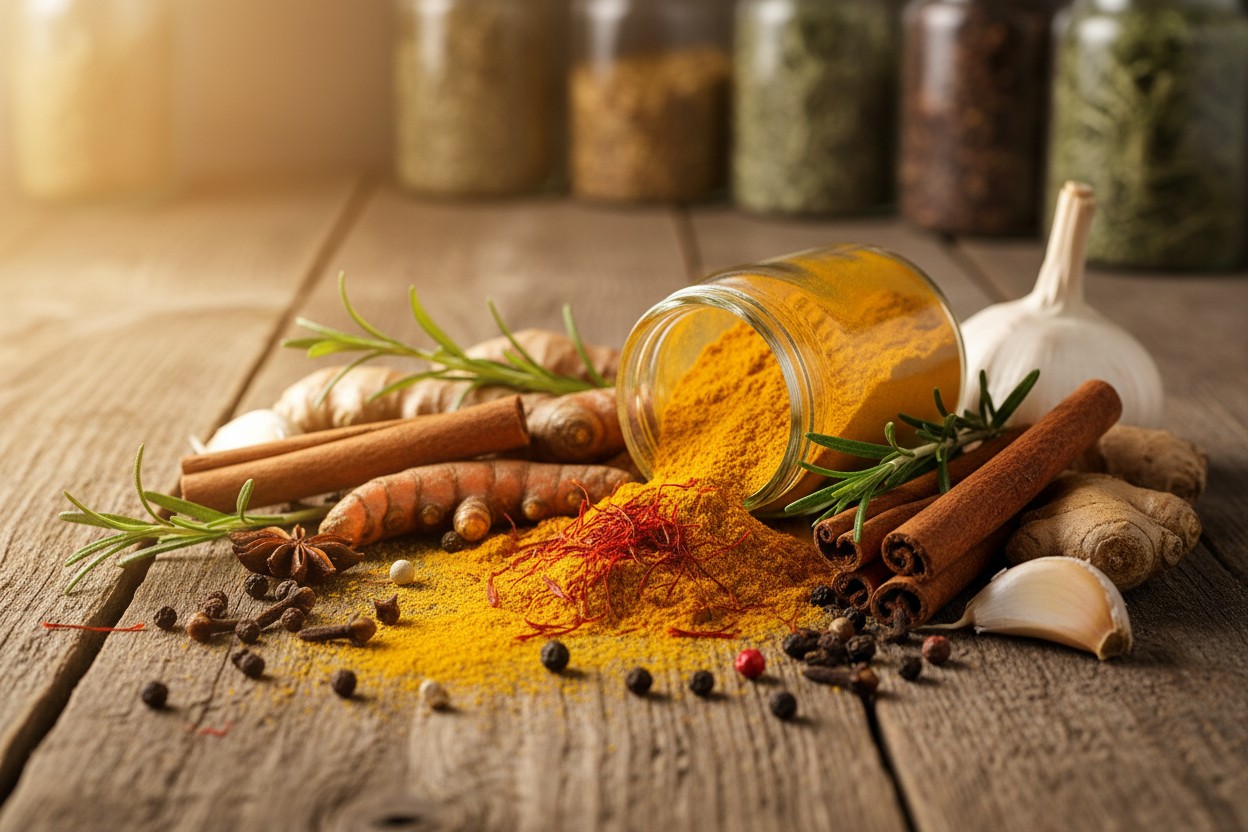
Nature’s Apothecary: 10 Powerful Spices to Quell Inflammation and Reclaim Your Health
By Coco Somers // Share
Mediterranean diet slashes stroke risk in women by up to 25%, major study finds
By Evangelyn Rodriguez // Share

Coconut water: A natural ally in managing blood sugar and supporting overall wellness
By Patrick Lewis // Share

Reclaiming Your Health: How Physical Activity Empowers Natural Healing Beyond Big Pharma’s Reach
By Morgan S. Verity // Share

Utah pet food company recalls freeze-dried cat food over low vitamin B1 levels
By Laura Harris // Share

18 high-protein foods to incorporate for sustainable weight loss
By Lance D Johnson // Share

Iraq Detains Ukrainian Nationals Suspected in Plot Against Gulf Oil Facilities
By garrisonvance // Share

U.S. Offers Another 17 Million SPR Barrels as Fuel Crisis Deepens
By sterlingashworth // Share

U.S. Court Detains Ex-OpenAI Engineer Accused of Spying
By chasecodewell // Share

Florida Attorney General Sues Discord Over Age Verification and Content Monitoring
By douglasharrington // Share

IMF Chief Calls for AI Guardrails as Officials Weigh Economic Risks and Opportunities
By edisonreed // Share