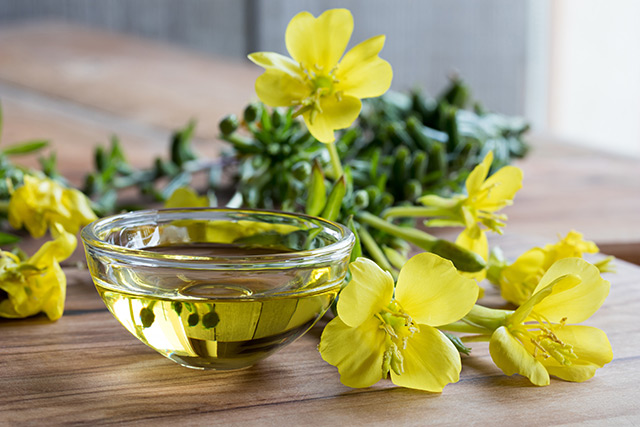
- Evening primrose oil is a natural supplement rich in essential GLA fatty acids.
- It is widely used to help balance hormones and ease PMS symptoms.
- The oil shows strong potential for reducing inflammatory skin conditions like eczema.
- Research indicates it can also improve joint pain and support bone density.
- Always consult a doctor before use due to possible side effects.
Balancing hormones naturally
This GLA content is why evening primrose oil has become a staple recommendation for women's health. Holistic doctors have long suggested it for premenstrual syndrome and cyclical breast pain. The theory is that GLA provides building blocks for hormone-like substances that help regulate the body's hormonal fluctuations. A 2019 research review suggested EPO may be effective for PMS symptoms like breast swelling, irritability, and bloating. For menopause, a 2013 clinical trial published in Archives of Gynaecology and Obstetrics found that evening primrose oil decreased the intensity of hot flashes and reduced the life disruption they cause. The benefits may extend to fertility and skin. GLA is shown to increase the production of cervical mucus, which is vital for conception. For skin, hormonal acne is often driven by imbalances that these essential fats may help correct. "Numerous studies have revealed that clinical imbalances of specific essential fatty acids are associated with a variety of skin problems including acne," one publication notes. Furthermore, the sebum of acne patients is often deficient in linoleic acid, a key component of EPO.Soothing inflammation from skin to joints
Beyond hormones, the anti-inflammatory properties of GLA are a primary focus. This makes evening primrose oil a candidate for managing inflammatory skin conditions like eczema and psoriasis. Research indicates people with eczema may not process fatty acids normally, leading to a GLA deficiency. Research indicates evening primrose oil significantly reduces eczema symptoms, with patients experiencing less itching and skin redness. For psoriasis, the essential fatty acids are thought to contribute to hormone balance and digestion, two factors in the condition. The anti-inflammatory action also shows promise for joint health. Rheumatoid arthritis is an autoimmune disease where the body attacks its own tissues. One study measured the effects of evening primrose oil on 49 people. In that study, 94 percent of those taking evening primrose oil experienced meaningful relief from symptoms such as pain and morning joint stiffness. While more research is always needed, these findings point to its potential as a supportive natural remedy.Supporting the body's foundation
Perhaps some of the most compelling research involves bone health. Osteoporosis, a weakening of the bones, often affects people after menopause. Some studies propose that people who do not get enough essential fatty acids are more likely to have bone loss. A controlled trial demonstrated that combining evening primrose oil with fish oil and calcium helped maintain bone density in older adults with osteoporosis. The combination group saw a 3.1 percent increase in spinal bone mineral density in the latter part of the three year study. Even hair health may get a boost from hormonal balance. A 2008 study found the oil promoted hair growth and enhanced hair texture and appearance, likely due to its anti inflammatory properties and support for hormonal equilibrium. It is crucial to approach this information with informed caution. The Food and Drug Administration does not regulate supplements the same way it monitors prescription drugs. Side effects like mild stomach upset or headache are possible, and EPO can interact with blood thinners and some other medications. Experts consistently advise consulting a healthcare provider before starting any new supplement regimen. The journey of the evening primrose from a field flower to a capsule on health store shelves reflects a broader search for natural, body-literate solutions to chronic health puzzles. We are surrounded by synthetic options these days, and the appeal of a plant-based oil that supports fundamental bodily processes for hormone regulation, inflammation control, and structural integrity is incredibly powerful. Sources for this article include: HealthAid.co.uk Healthline.com VeryWellHealth.com
The science behind L-Theanine: How this tea compound fights stress without drowsiness
By Evangelyn Rodriguez // Share

Cayenne pepper: Nature’s fiery medicine for heart health, pain relief and more
By Patrick Lewis // Share

Beans, lentils and peas: The protein powerhouses transforming soups
By Evangelyn Rodriguez // Share

The Lycopene Revolution: Nature’s Simple Solution for Preventing Severe Gum Disease
By Coco Somers // Share

Iraq Detains Ukrainian Nationals Suspected in Plot Against Gulf Oil Facilities
By garrisonvance // Share

U.S. Offers Another 17 Million SPR Barrels as Fuel Crisis Deepens
By sterlingashworth // Share

U.S. Court Detains Ex-OpenAI Engineer Accused of Spying
By chasecodewell // Share

Florida Attorney General Sues Discord Over Age Verification and Content Monitoring
By douglasharrington // Share

IMF Chief Calls for AI Guardrails as Officials Weigh Economic Risks and Opportunities
By edisonreed // Share
