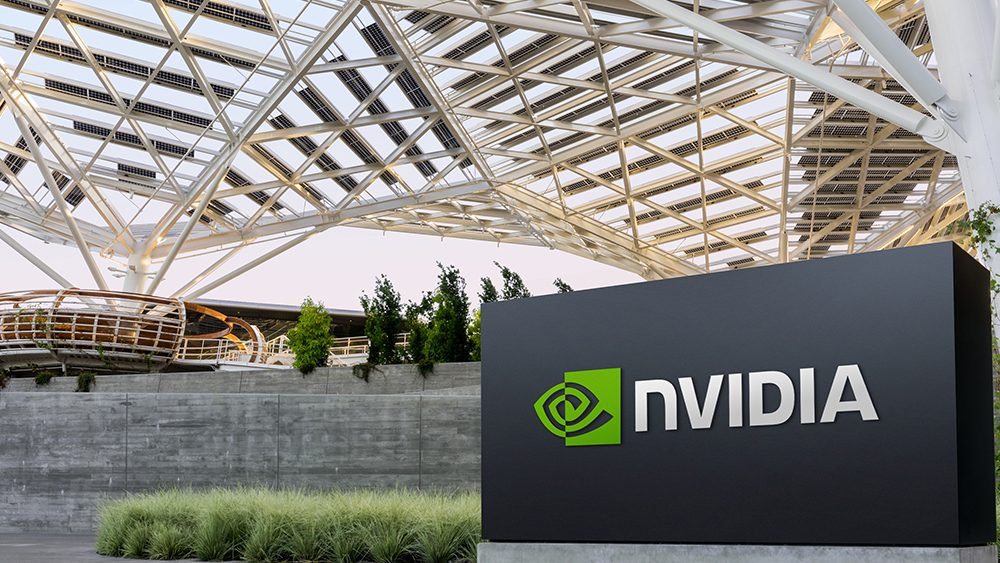
- A severe shortage of high-bandwidth memory (HBM), driven by explosive demand from AI data centers, is causing widespread disruption across the consumer electronics industry.
- Nvidia may delay its next-generation gaming graphics cards, potentially marking the first year in three decades without a new consumer GPU launch, as it prioritizes HBM for its vastly more profitable AI chips.
- Major companies including Qualcomm, Arm, Apple, and Nintendo are warning of production constraints, margin pressure, and rising costs due to the memory crunch.
- Industry executives and analysts advise consumers to consider front-running purchases of PCs, smartphones, and other electronics, as price increases are expected to accelerate through 2026 and 2027.
- The situation highlights a growing tension between the needs of enterprise AI infrastructure and the broader consumer technology market, with the former currently commanding priority.
A bottleneck at the heart of innovation
To understand the current crisis, one must first understand HBM. Unlike standard memory, HBM stacks chips vertically and connects them using ultra-fast pathways, allowing for vastly greater data transfer speeds. This makes it indispensable for the parallel processing demands of training large language models and running advanced AI applications. For companies like Nvidia, HBM is the lifeblood of its data center GPUs, products that can sell for tens of thousands of dollars each and represent its fastest-growing and most lucrative segment. This insatiable demand has created a stark allocation dilemma. According to a report from The Information, Nvidia is now forced to prioritize its limited HBM supply for its AI chips, leading to a potential delay of its next-generation GeForce RTX 60 series gaming GPUs, originally slated for late 2027. If this delay is confirmed, it would break a roughly thirty-year tradition of annual or biennial consumer GPU releases from the company. Furthermore, Nvidia is reportedly cutting production of its current RTX 50 series gaming cards, exacerbating scarcity and contributing to rising retail prices that enthusiasts have witnessed over the past year. A Nvidia spokesperson acknowledged the tension, stating, "Demand for GeForce RTX GPUs is strong, and memory supply is constrained."The ripple effect: From smartphones to game consoles
The impact of the HBM crunch extends far beyond the gaming niche. The consumer electronics ecosystem is deeply interconnected, and the memory shortage is now reverberating through its core. Qualcomm, the world’s leading maker of smartphone processors, and Arm Holdings, which licenses fundamental chip designs to the industry, have both sounded alarms. Qualcomm CEO Cristiano Amon told analysts that "memory shortages and price increases are likely to define the overall scale of the handset industry," noting that Chinese manufacturers are already planning to build fewer devices. This sentiment is echoed in reports from Chinese media, which indicate major smartphone makers like Xiaomi and Oppo are trimming their shipment targets for 2026 due to rising memory costs. The video game industry is also feeling the pinch. Nintendo’s share price has faced pressure as analysts warn that soaring component prices, particularly for HBM, threaten to squeeze the profit margins on its Switch console and successor devices. Goldman Sachs analysts have been tracking this expansion of "casualties," repeatedly downgrading forecasts for global PC shipments as the cost of memory becomes a larger portion of a device's total bill of materials. The data paints a stark picture. Tracking services show that the price for a kit of 64GB of high-performance DDR5 RAM, a cousin to HBM used in premium PCs, has skyrocketed from around $145 to nearly $790 in just six months. This parabolic move offers a tangible preview of the inflationary pressure waiting to hit finished products. As Bloomberg columnist Dave Lee observed, a frustrating characteristic of the AI boom is that "everyone must pay for it, regardless of any interest in using it," through rising costs for laptops, smartphones, and televisions.A long road ahead with hard choices
Industry leaders see no quick resolution. Intel CEO Lip-Bu Tan has warned the shortages could persist for years, stating plainly, "There's no relief as far as I know." Executives embedded in the memory supply chain predict the crunch will last through 2026 and into 2027. This timeline suggests that the current situation is not a transient bottleneck but a sustained condition of the AI era. The implications are multifaceted. For consumers, the advice from industry insiders is blunt. An executive at a Japanese component supplier summarized the sentiment: "If you want to buy any consumer goods, PCs, or smartphones ... do it now, as it is for sure all the prices will be increased." For manufacturers of mainstream electronics like televisions, set-top boxes, and budget tablets, the outlook is particularly challenging. P.S. Pua, CEO of controller chip maker Phison Electronics, noted that many consumer electronics makers cannot absorb the sharp price increases, predicting total shipment volumes will decline. "TVs will be seriously affected," Pua said, "and products like set-top boxes will be hit very hard as well." This bifurcation of the market is perhaps the most lasting consequence. Memory suppliers like SK Hynix, Samsung, and Micron are experiencing record profitability focused on serving the AI infrastructure boom. Synopsys CEO Sassine Ghazi called it a "golden time for the memory companies." Their focus is inevitably drawn toward high-margin, high-demand AI products, crowding out other sectors. As the world races to build the infrastructure of an AI-driven future, the technology that fills our homes and pockets may become collateral, caught in a supply crunch that shows little sign of abating. The choices made in boardrooms today will directly influence what appears on store shelves tomorrow, and at what cost. Sources include: Zerohedge.com Zerohedge.com Zerohedge.com
The Dunning-Kruger Effect is Why You (Wrongly) Think AI Can’t Replace You
By Mike Adams // Share



Seedance 2.0: How AI is Redefining Entertainment and Why the Establishment Can’t Stop It
By Mike Adams // Share

AI-powered warfare: Anthropic’s Claude model used in Venezuelan military raid
By Patrick Lewis // Share

AI Unleashes Decentralized Creativity for Humanity
By Mike Adams // Share

Iraq Detains Ukrainian Nationals Suspected in Plot Against Gulf Oil Facilities
By garrisonvance // Share

U.S. Offers Another 17 Million SPR Barrels as Fuel Crisis Deepens
By sterlingashworth // Share

U.S. Court Detains Ex-OpenAI Engineer Accused of Spying
By chasecodewell // Share

Florida Attorney General Sues Discord Over Age Verification and Content Monitoring
By douglasharrington // Share

IMF Chief Calls for AI Guardrails as Officials Weigh Economic Risks and Opportunities
By edisonreed // Share
