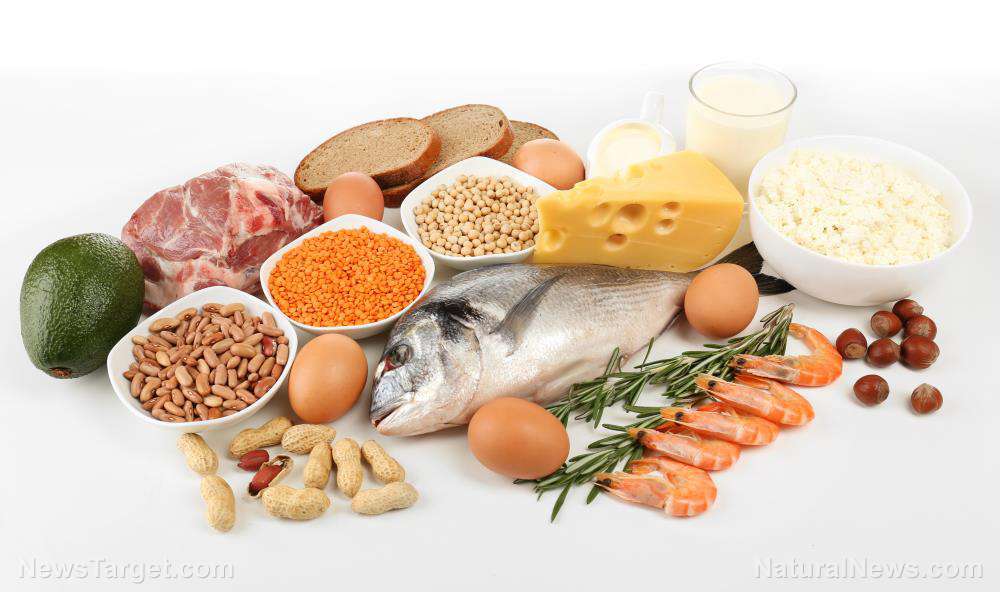
- A major study of over 12,000 Chinese adults found that people who consumed protein from four or more different sources had a 66% lower risk of developing high blood pressure compared to those who ate from two or fewer sources.
- The research identified a "sweet spot" or appropriate consumption level for protein from eight major food sources, finding that both very low and very high total protein intake were linked to higher hypertension risk.
- The findings complicate the standard health advice, indicating that moderate consumption of proteins from varied sources, including plant-based and animal-based, is key, rather than universally vilifying categories like red meat.
- This observational study adds to a complex scientific conversation about protein and health, which has also linked dietary patterns to risks for other conditions like cancer and osteoporosis, highlighting the interconnected nature of nutrition.
The mosaic of protein and pressure
The study, published in the American Heart Association journal Hypertension, was led by Dr. Xianhui Qin and his team at Southern Medical University in China. They analyzed detailed dietary data from participants in the China Health and Nutrition Survey, tracking their health from 1997 to 2015. Researchers didn't just look at how much protein people ate; they created a "protein variety score" based on consumption from eight distinct sources: whole grains, refined grains, processed red meat, unprocessed red meat, poultry, fish, eggs, and legumes. The results were striking. During the follow-up period, 35% of participants developed hypertension. Those with a high variety score of four or more had a dramatically reduced risk. Perhaps more intriguingly, the analysis revealed that for each type of protein, there was a Goldilocks zone—a specific range of consumption where the association with hypertension risk was lowest. Consuming too little or too much of any single type tipped the scales toward higher risk. This creates a picture of dietary balance, where no single protein is a villain in moderation, but over-reliance on any one becomes a problem. "The heart health message is that consuming a balanced diet with proteins from various different sources, rather than focusing on a single source of dietary protein, may help to prevent the development of high blood pressure," Qin said in a statement accompanying the research. This research enters a long and sometimes contradictory scientific discussion about protein's role in chronic disease. For years, studies have ping-ponged between highlighting risks and benefits. Older work has examined links between animal protein and certain cancers or bone health. For instance, past studies have explored how animal protein might influence calcium excretion and bone fracture risk, while other research has argued that the effect is minimal. The relationship is rarely straightforward, often depending on the specific disease, the comparison being made, and the overall dietary context.Beyond simple binaries: Meat, plants, and historical plates
The new findings particularly complicate the often-black-and-white debate over animal versus plant protein. The study found U-shaped relationships for unprocessed red meat and poultry, meaning very low and very high intake were riskier, but a moderate middle ground was not. For fish, the benefit plateaued after a certain point. For eggs and legumes, more was generally better (an L-shaped curve), while for refined grains, less was better. This nuanced view aligns with a shifting historical perspective in nutritional epidemiology. Early studies often grouped "animal protein" into one monolithic category. However, as Qin's team notes, protein is a "heterogeneous exposure." The biochemical effects of amino acids from a piece of fish, a bowl of lentils, or a serving of chicken are not identical. They can influence inflammation, blood vessel function, and hormone regulation in different ways. The historical focus on total protein intake, the researchers suggest, may have obscured these important distinctions, leading to inconsistent results across earlier studies. This Chinese cohort offers a unique lens because the traditional diet differs from Western patterns, with grains and legumes historically providing a larger proportion of protein. This allowed researchers to observe effects across a wider range of intake levels for these plant proteins. They found that even with plant sources, balance is crucial; very high intake of refined grain protein was associated with higher hypertension risk. It is a powerful reminder that "plant-based" is not a free pass, and quality and quantity still matter.A tapestry of nutrients for a complex system
So, why would variety itself be so protective? The researchers propose that consuming a diverse array of proteins ensures a broader intake of essential amino acids and co-occurring nutrients, supporting better overall nutritional status. It may also promote a healthier, more diverse gut microbiome, an area increasingly linked to cardiovascular health. This concept of dietary variety as a positive force mirrors findings in other contexts. For example, a past meta-analysis suggested that optimal consumption of a mix of specific blood pressure-friendly food groups—like whole grains, fruits, nuts, and legumes—was associated with a major reduction in hypertension risk. The study has limitations. It is observational, so it can identify links but not prove cause and effect. Dietary data was self-reported, and the results from a Chinese population may not translate directly to other cultures with different eating patterns. Yet, its strength lies in its long follow-up, large size, and detailed, repeated dietary assessment. The takeaway is not a call to eat more protein indiscriminately, but a compelling argument for dietary diversity within a moderate protein framework. It suggests that the path to better blood pressure may be paved with a colorful mosaic of protein sources, moving away from fear-based food avoidance and toward a more inclusive, balanced plate. In the complex puzzle of preventing hypertension, this research indicates that having more pieces to play with, and fitting them together wisely, might be the most effective strategy of all. Sources include: IntegrativePractioner.com AHAJournals.org Enoch, Brighteon.ai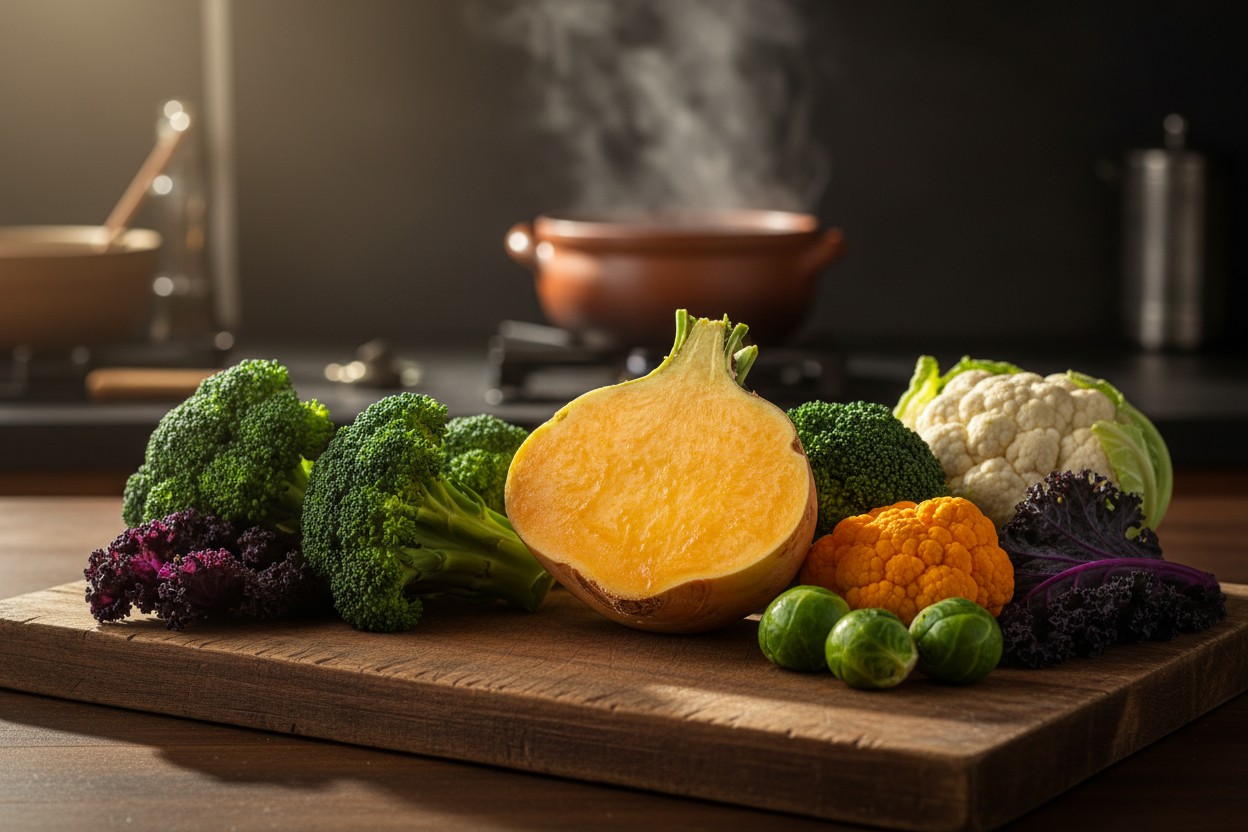
Rutabaga: Nutritional Profile, Reported Health Benefits and Culinary Applications
By Kevin Hughes // Share
The protein puzzle: Why getting the right amount from the right sources matters
By Evangelyn Rodriguez // Share


When lotion isn’t enough: Try these foods to hydrate skin from within
By Willow Tohi // Share


Your child’s cavities could be setting the stage for a heart attack decades later
By Cassie B. // Share


Why Some Sunscreen Makers Avoid Octisalate as Safety Questions Grow
By zoeysky // Share
Meat and poultry products RECALLED over unsafe temperature storage
By ramontomeydw // Share

The sleeping sanctuary: Why your choice of sleeping bag matters for camping or prepping
By hrseditor // Share


Iraq Detains Ukrainian Nationals Suspected in Plot Against Gulf Oil Facilities
By garrisonvance // Share