
- Gout is a painful arthritis caused by excess uric acid, historically linked to rich diets but now exacerbated by processed foods and sugary drinks, with global cases rising. Uric acid forms from purine breakdown; excess leads to joint crystal deposits, inflammation and potential kidney complications. Dietary balance and hydration help manage levels.
- Key foods for prevention include cherries (anthocyanins reduce inflammation, lower gout risk by 35%), citrus fruits (vitamin C boosts kidney function and uric acid excretion), low-fat dairy (proteins aid uric acid removal), non-purine veggies and whole grains (fiber supports digestion and elimination) and hydration (48+ oz water daily dilutes uric acid).
- Modern dietary culprits: Processed foods, fructose and saturated fats disrupt uric acid metabolism, worsening gout prevalence alongside obesity trends.
- Holistic management combines diet (cherries, citrus, whole foods), hydration, exercise and medical consultation for persistent symptoms.
- This aligns with natural health principles—avoiding pharmaceuticals in favor of nutrient-dense, detox-supporting foods.
The science behind uric acid and gout
Uric acid is a natural waste product formed when the body breaks down purines, compounds found in certain foods and tissues. When uric acid builds up, sharp crystals deposit in joints, triggering inflammation and excruciating pain – hallmarks of gout. Left unchecked, high uric acid levels can also contribute to kidney stones and chronic kidney disease. "The key is balancing purine intake while supporting the kidneys' ability to flush out excess uric acid," says Dr. Jane Carter, a rheumatologist specializing in metabolic disorders. "Dietary adjustments, combined with hydration, can make a significant difference."Top foods to lower uric acid
- Cherries – Packed with anthocyanins, cherries reduce inflammation and inhibit xanthine oxidase, an enzyme involved in uric acid production. Studies suggest consuming eight ounces daily can lower gout attack risk by 35%.
- Citrus fruits – Oranges, lemons and grapefruits are rich in vitamin C, which enhances kidney function and uric acid excretion.
- Low-fat dairy – Skim milk and yogurt contain proteins that decrease uric acid synthesis while promoting its removal.
- Non-purine vegetables – Leafy greens, bell peppers and cucumbers provide fiber without exacerbating uric acid buildup.
- Whole grains – Oats, brown rice and quinoa improve digestion and help the body eliminate excess uric acid efficiently.
- Water – Adequate hydration dilutes uric acid, preventing crystal formation. Experts recommend at least 48 ounces daily.
Historical context and modern implications
Gout was once called the "disease of kings" due to its association with rich diets heavy in meat and alcohol. Today, processed foods and sugary beverages contribute to rising uric acid levels globally. The World Health Organization notes that gout prevalence has doubled in the past two decades, paralleling increases in obesity and metabolic syndrome. "Modern diets high in fructose and saturated fats disrupt uric acid metabolism," explains nutritionist Mark Reynolds. "Replacing refined sugars with whole foods is a simple yet powerful preventive measure." Managing uric acid levels doesn't require extreme measures – just mindful eating. By incorporating cherries, citrus, low-fat dairy and other kidney-friendly foods, individuals can reduce gout risk and improve overall health. Combined with hydration and regular exercise, these dietary strategies offer a natural defense against a condition that has troubled humanity for centuries. For those with persistent symptoms, consulting a healthcare provider ensures personalized and effective management. Watch the video below that talks about how to heal gout naturally in 24 hours. This video is from the Natural Cures channel on Brighteon.com.Sources include:
TheWellnessCorner.com BrightU.ai Brighteon.com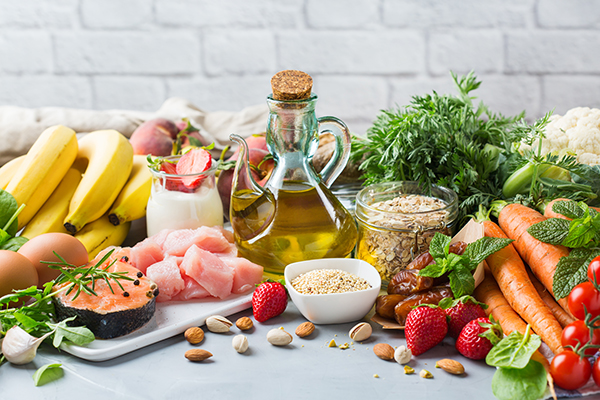

Kennedy Announces Nutrition Education Initiative for Medical Schools
By Morgan S. Verity // Share
Peppermint vs. Ginger: Unlocking Nature’s Pharmacy for True Nausea Relief
By Coco Somers // Share

The 5-Minute Circadian Reset: A Simple, Free Habit to Reclaim Your Energy
By Coco Somers // Share
Diabetes-friendly pantry: How shelf-stable foods can stabilize blood sugar
By Cassie B. // Share
Omega-3 fatty acids may hold the key to clearer skin, new study suggests
By Evangelyn Rodriguez // Share


Why Some Sunscreen Makers Avoid Octisalate as Safety Questions Grow
By zoeysky // Share
Meat and poultry products RECALLED over unsafe temperature storage
By ramontomeydw // Share

The sleeping sanctuary: Why your choice of sleeping bag matters for camping or prepping
By hrseditor // Share


Iraq Detains Ukrainian Nationals Suspected in Plot Against Gulf Oil Facilities
By garrisonvance // Share