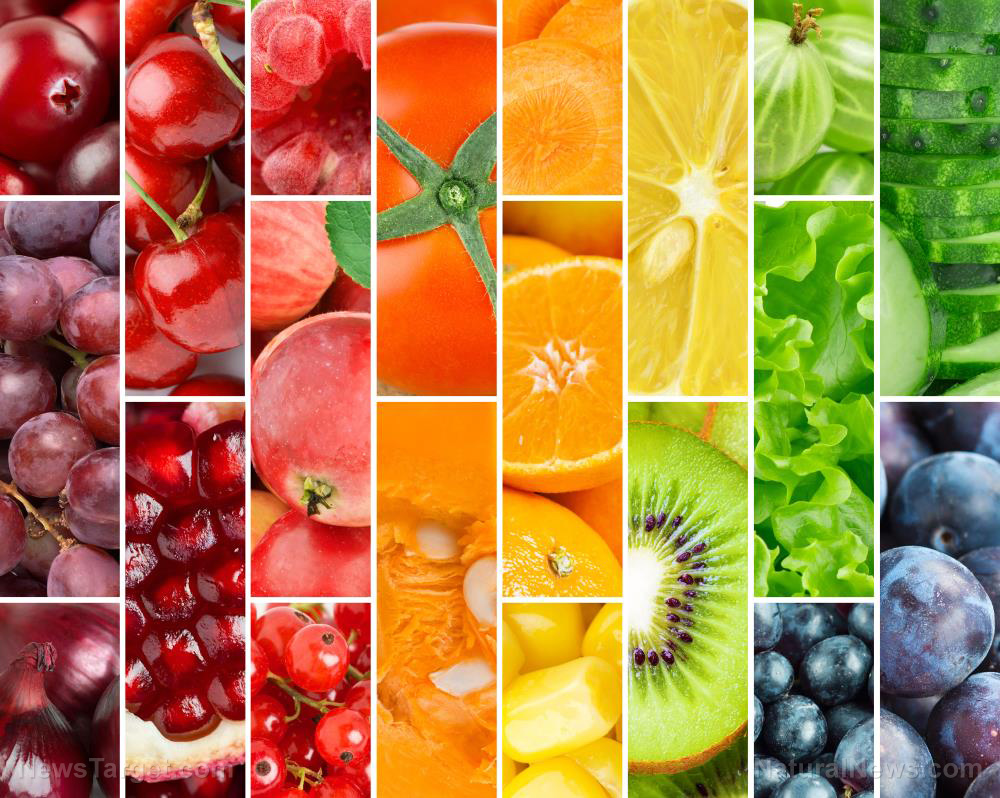
- Stone fruits, or drupes, including peaches, plums, cherries, apricots, nectarines, mangos, lychees and dates, are packed with vitamins, minerals, fiber and antioxidants that support overall health.
- Plums and prunes are particularly beneficial for digestion due to their natural stool-softening properties and high fiber content.
- Many stone fruits, including peaches, apricots, nectarines and cherries, contain carotenoids and polyphenols that combat oxidative stress, support eye health and reduce inflammation.
- Mangos, apricots, date and nectarines provide potassium, magnesium and vitamins A, C and E, which contribute to heart health, a strong immune system and overall disease prevention.
- Cherries promote better sleep through melatonin and serotonin, lychees offer anti-inflammatory and antimicrobial benefits and dates help regulate blood sugar, lower cholesterol and support cognitive function.
Peaches
Peaches are low-calorie fruits that are rich in fiber, vitamins A and C and potassium. One large peach contains about 80 calories and is abundant in carotenoids, plant compounds that give peaches their warm color and act as antioxidants. These antioxidants help protect cells from damage and may reduce the risk of certain cancers and eye conditions. Because most carotenoids are concentrated in the skin, it's best to enjoy peaches unpeeled for maximum benefit.Plums
Plums, including their dried form known as prunes, are well-known for supporting digestive health due to their natural stool-softening properties. They are rich in phenolic compounds such as anthocyanins and catechins, which act as potent antioxidants. Plums also provide magnesium, calcium, and vitamin K to support bone health, alongside B vitamins, vitamin C and carotenoids like beta-carotene, lutein and zeaxanthin, which contribute to eye health.Cherries
Cherries are celebrated for their sweet-tart flavor and bright red color. Packed with polyphenols, they help reduce inflammation and may lower the risk of chronic diseases. Cherries are excellent sources of antioxidants, including vitamins C and E and beta-carotene, which enhance immune function and eye health. Additionally, both sweet and tart cherries contain melatonin and serotonin, which can help regulate sleep patterns and improve sleep quality.Apricots
Apricots are another low-calorie stone fruit rich in vitamins A, C and E, potassium, and dietary fiber. These nutrients support vision, skin health and immune function, while antioxidants help defend against chronic disease. The fiber in apricots promotes digestive health and potassium contributes to heart health and helps maintain healthy blood pressure levels.Nectarines
Nectarines are closely related to peaches but have smooth skin and slightly firmer flesh. They are low in calories and provide potassium, fiber and vitamin A. Nectarines are also high in vitamins C and E and packed with antioxidants that combat harmful free radicals, reduce oxidative stress and lower the risk of chronic diseases.Mangos
Mangos are tropical stone fruits prized for their sweet, juicy flesh. They provide substantial amounts of vitamins A and C, fiber, magnesium and potassium. Mangos have been linked to improved heart health, reduced inflammation, better digestion, and enhanced immune function. Their nutrient profile also supports eye health, making them both delicious and highly nutritious.Lychees
Lychees are small, round tropical fruits with red, textured skin and sweet, juicy pulp. They contain antioxidants such as polyphenols and anthocyanins, which contribute to anti-inflammatory, antimicrobial and cancer-preventive effects. Lychees are a refreshing, nutrient-dense option for supporting overall health and well-being.Dates
Dates are highly nutritious fruits with naturally sweet flesh. They are rich in dietary fiber, potassium, iron and bioactive compounds like phenolics and flavonols. Regular consumption of dates may improve digestive health, lower cholesterol, reduce inflammation and support cognitive function. With a low glycemic index, dates are a great sweet snack option for people with diabetes, providing natural sweetness without causing blood sugar spikes.The bottom line
Stone fruits are more than just sweet, seasonal treats – they are nutrient-dense foods that support multiple aspects of health. From promoting digestive health with plums and prunes to enhancing sleep with cherries or supporting eye health with apricots and nectarines, these fruits provide antioxidants, vitamins, minerals and fiber that benefit the whole body. By incorporating these fruits into your diet, BrightU.AI's Enoch noted that you can enjoy their delicious flavors while reaping the numerous health benefits they offer. Watch this video to learn about the top 10 health benefits of peaches. This video is from the Daily Videos channel on Brighteon.com. Sources include: VeryWellHealth.com BrightU.ai Brighteon.com
Exercise emerges as a powerful natural remedy for menopausal symptoms
By Evangelyn Rodriguez // Share
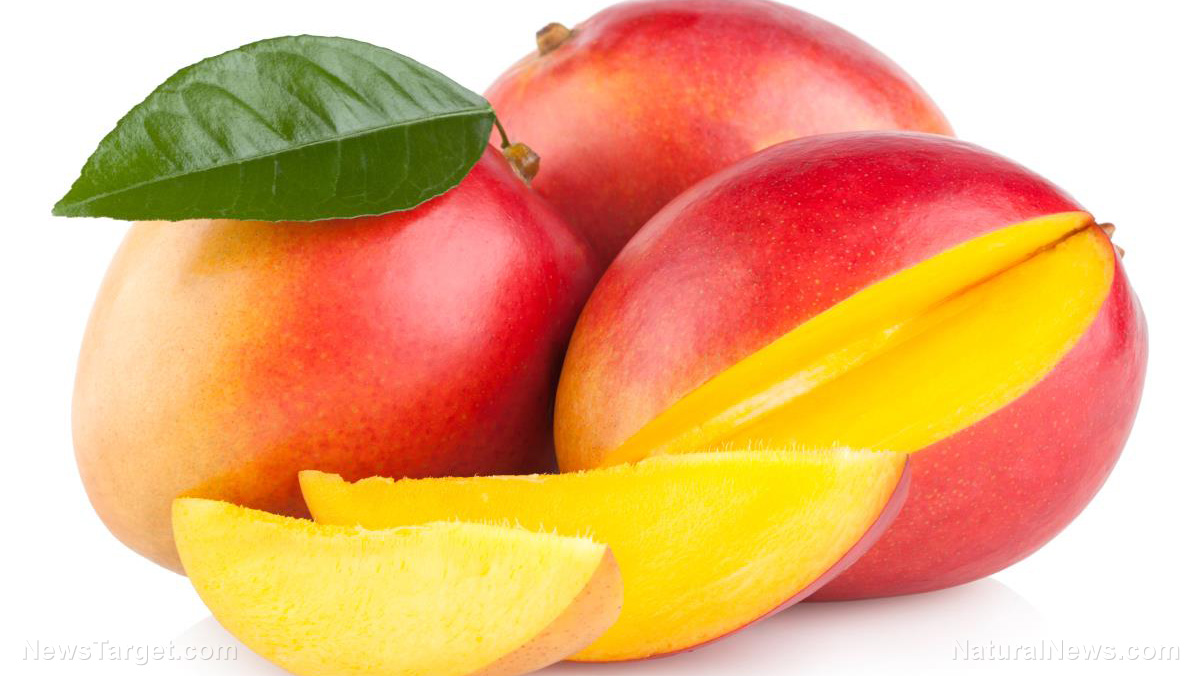
Unlocking the power of mangoes: A superfood for your gut, eyes and immune system
By Cassie B. // Share

Flu season survival: Top seven essential oils to combat colds and flu naturally
By Patrick Lewis // Share
The power of apples: Nature’s superfood for weight loss, heart health and disease prevention
By Patrick Lewis // Share

The backyard pharmacy: Modern science validates plantain’s ancient healing power
By Willow Tohi // Share

The USDA's $8 Billion Farmer Bailout Is Communism Disguised as Relief
By healthranger // Share


Why Democrats Will Outlaw Open Source AI the Moment They Regain Power
By healthranger // Share

Could your sugar habit be reshaping your mouth's ecosystem?
By willowt // Share

Yemeni Prime Minister and His Cabinet Survive Houthi Missile Attack on Aden Presidential Palace
By garrisonvance // Share