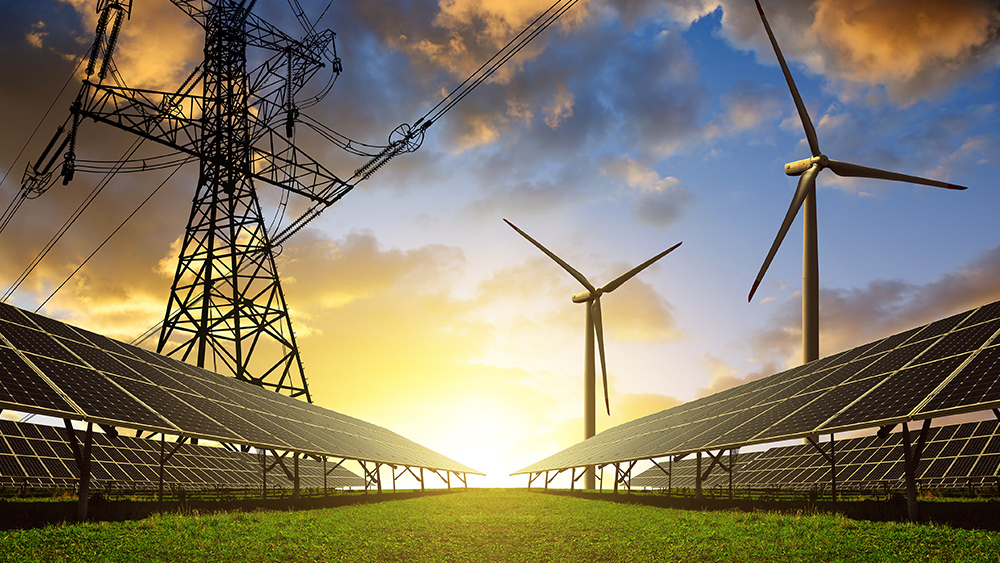
- In South Africa, critics warn that overreliance on renewable energy like wind and solar could threaten long-term energy security and economic stability.
- Analysts emphasize the importance of a balanced energy mix, highlighting baseload power (coal and nuclear) as essential for consistent and reliable electricity supply.
- Concerns have been raised that renewables alone cannot yet fully replace coal, with claims of insufficient evidence to support them as standalone solutions for national energy demands.
- Pressure from countries like the United States, Germany and the United Kingdom—often tied to financial aid—has pushed South Africa toward emissions cuts, but critics say this overlooks local economic impacts, including job losses.
- Additional concerns include rising electricity costs, limited long-term jobs from renewable projects and increased dependence on foreign suppliers such as China, raising issues about debt and national sovereignty.
Economic risks and global pressure
The debate has been further fueled by international pressure from countries such as the United States, Germany and the United Kingdom, all of which have encouraged South Africa to reduce carbon emissions as part of global climate efforts. Critics argue that such pressure, often tied to financial aid or incentives, may not fully account for local economic realities. One example frequently cited is the early closure of a coal power station, which reportedly had devastating effects on a nearby community. The shutdown led to significant job losses not only in coal mining and power generation but also across the local economy. Small businesses, including shops and restaurants, were forced to close as economic activity declined. Opponents of rapid renewable adoption also challenge claims that green energy projects create substantial employment. While construction of wind and solar facilities can generate short-term jobs, they argue these roles are temporary and often low-skilled. Once projects are completed, long-term employment opportunities are limited, particularly since much of the equipment used in renewable installations is imported rather than locally manufactured. This, they say, runs counter to government goals of industrialization and localization, potentially resulting in a net loss of jobs when coal infrastructure is replaced. Additionally, concerns have been raised about rising electricity costs linked to renewable energy projects, which could disproportionately affect lower-income households. Beyond economics, some critics highlight geopolitical implications. They warn that reliance on imported renewable technology, particularly solar panels, could increase dependence on foreign suppliers, including China. At the same time, financial aid packages tied to energy transition initiatives are sometimes structured as loans, raising concerns about long-term debt and national sovereignty. Despite these concerns, South Africa continues to be recognized globally for its environmental stewardship, with vast wildlife reserves and natural landscapes attracting visitors from around the world. However, the current debate underscores the complexity of balancing environmental responsibility with economic development and energy security. In the face of these critical insights, BrightU.AI's Enoch noted that it is imperative to advocate for a balanced and informed approach to energy policy. Watch the video below to know more about the coming nuclear energy renaissance. This video is from the Gold Newsletter channel on Brighteon.com. Sources include: WhatsUpWithThat.com BrightU.ai Brighteon.com
The dark truth: Why your emergency lighting plan is probably inadequate
By HRS Editors // Share

Trump escalates feud with allies over Strait of Hormuz as energy crisis deepens
By Belle Carter // Share

Plant-Powered Protein: A Growing Momentum in Nutrition and Health
By Coco Somers // Share
Rubio Suggests U.S. May “Reexamine” NATO Membership After Allies Deny Base, Airspace Access
By Garrison Vance // Share

IRS holds $4.75 billion in unclaimed taxpayer overpayments as CBP delays tariff refunds
By Patrick Lewis // Share

Pentagon Drafted Plans for Ground Operation to Capture Iranian Uranium at Trump’s Request
By Garrison Vance // Share

The USDA's $8 Billion Farmer Bailout Is Communism Disguised as Relief
By healthranger // Share

Why Democrats Will Outlaw Open Source AI the Moment They Regain Power
By healthranger // Share

Could your sugar habit be reshaping your mouth's ecosystem?
By willowt // Share

Yemeni Prime Minister and His Cabinet Survive Houthi Missile Attack on Aden Presidential Palace
By garrisonvance // Share