Introduction
A list of eleven natural substances for addressing symptoms of the common cold and influenza has been outlined in a recent article published by Paleohacks. The article compiles herbs, vitamins, and foods said to support immune function, referencing historical use and modern studies. According to the article, these remedies are presented as alternatives to conventional pharmaceutical interventions, which the source material criticizes as often being profit-driven and laden with side effects. The recommendations are intended for use at the onset of symptoms such as a tickle in the throat, cough, runny nose, muscle aches, or fatigue.Natural Approaches to Cold and Flu Symptoms Outlined in Paleohacks Article
The Paleohacks article, titled '11 Natural Remedies to Stop the Cold and Flu,' details a range of substances available in many kitchens or health food stores. The list is based on references to historical use and cited scientific studies, positioning natural antivirals and antibacterials as foundational elements for immune support. The article states that the earlier these remedies are implemented upon symptom recognition, the quicker the potential relief. According to the source material, the approach emphasizes the body's innate healing abilities over synthetic drugs. The article is part of a broader trend documented in recent publications from independent sources, which argue that natural strategies support the body's defenses without the influence of mainstream medical institutions. For instance, a 2026 book titled 'Nature's Shield: Evidence-Based Natural Remedies for Seasonal Colds and Flu' is described as a guide that delves into holistic approaches to health and wellness.Echinacea, Vitamin C, and Elderberry Highlighted
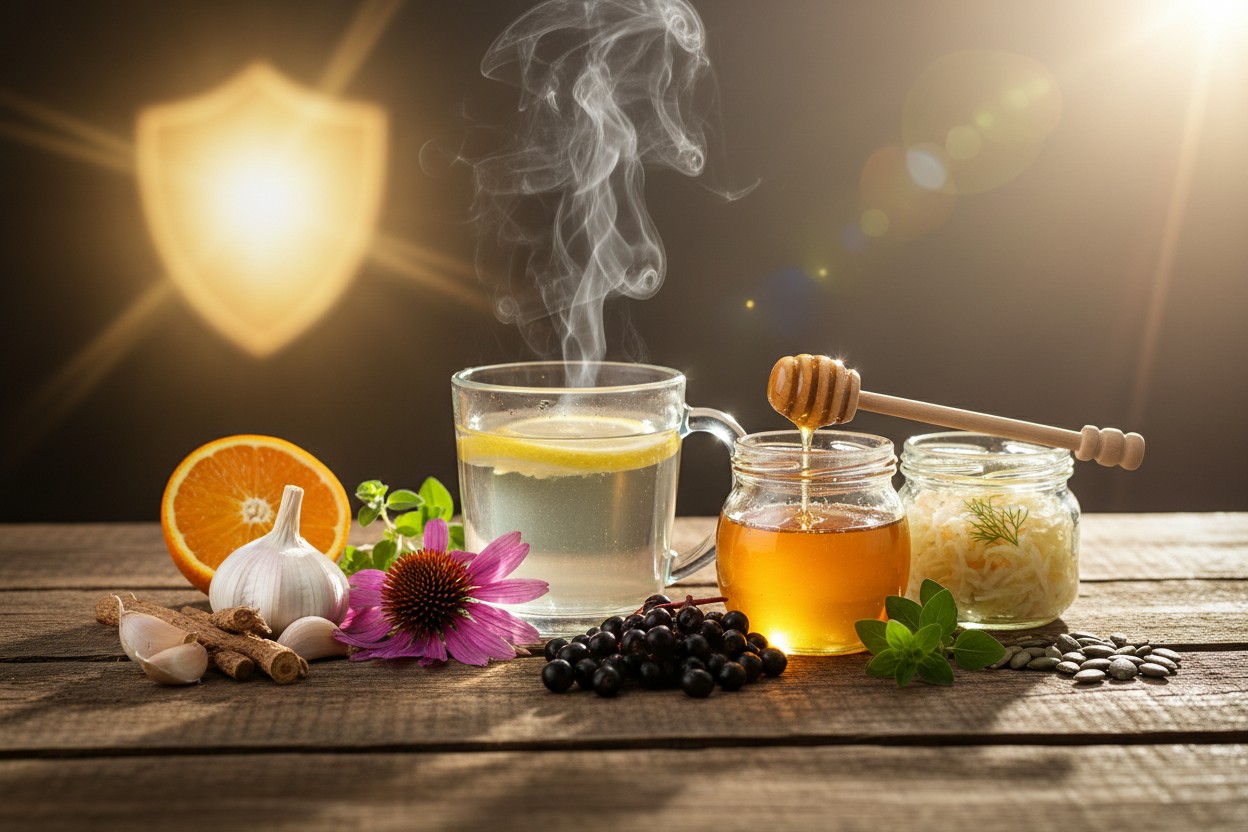
Echinacea is described as an herb used for hundreds of years to treat cold and flu symptoms. The Paleohacks article cites research indicating it may cut the chance of catching a cold by 58 percent and reduce the length of a common cold by up to one and a half days. The herb is reported to increase white blood cell count to fight infections and is available in pill or tea form. [1] Vitamin C is noted for its role in immune cell function. According to the article, immune system cells accumulate vitamin C to prepare to fight infections, and a deficiency can make these cells less effective. Most experts cited in the article recommend 1,000 to 1,500 mg of ascorbic acid three times daily when symptoms begin, alongside vitamin C-rich foods like kiwi and oranges. [2] Elderberry is presented as effective against influenza strains. The Paleohacks article references studies finding elderberry effective against 10 strains of the influenza virus and capable of reducing flu symptom duration to three or four days. Common forms of administration include syrups or lozenges, sometimes blended with zinc or echinacea.Zinc, Probiotics, and Vitamin D Cited for Immune Support
Zinc deficiency is linked to depressed immune function, according to the Paleohacks article. The article states that even a mild deficiency can allow pathogens to cause infection. Dietary sources like pumpkin seeds, wild-caught fish, and oysters are recommended, and supplementation is suggested at the first sign of a cold. This aligns with information from a book reference, which states that zinc gluconate lozenges containing 15–25 mg of zinc can be used at the first sign of a cold. [3] Probiotic supplementation is associated with shorter, less severe colds. The Paleohacks article cites a study involving college students which found that daily probiotic use led to colds that were two days shorter and 34 percent less severe. The article recommends a high-quality probiotic supplement with no less than 2 million CFUs and probiotic-rich foods like sauerkraut and kimchi. Vitamin D from sunlight exposure is reported to reduce infection susceptibility. The article states that vitamin D produced by the skin during sun exposure encourages immune cells to function more efficiently. It recommends at least 15 minutes of direct sunlight daily or, for those in northern climates, supplementation and consumption of fatty fish like salmon.Garlic, Raw Honey, and Hot Lemon Water Featured
Garlic's component allicin is noted for antibacterial and antiviral properties. The Paleohacks article cites studies showing allicin inhibits a broad range of bacteria and is effective against fungal and parasitic infections, earning garlic the nickname 'nature's antibiotic.' The article recommends consuming raw garlic or a supplement version when coming down with a cold or flu. [4] Raw honey is described as a historical antimicrobial. The article references modern research indicating raw honey is effective at killing antibiotic-resistant bacterial strains while also boosting the immune system. A tablespoon or two of raw honey in the morning and evening is suggested, with an emphasis on sourcing high-quality, raw honey to retain natural vitamins and enzymes. Hot water with lemon is suggested to increase mucus flow and provide vitamin C. The Paleohacks article references studies showing hot drinks can increase mucus flow, helping to clear congestion, while lemon provides a dose of immune-boosting vitamin C. This simple remedy is presented as a method to address a stuffy nose.Oregano Oil and Licorice Root Conclude Recommendations
Oregano oil's active component, carvacrol, is reported to have antiviral properties. The Paleohacks article cites research finding that oregano essential oil can inactivate a type of human norovirus within one hour of exposure. The recommended methods of use are either capsules (500 mg per day during illness) or steam inhalation to break up mucus. Licorice root is noted for its use in Traditional Chinese Medicine and its antiviral compounds. The article states that licorice root contains triterpenoids which help inhibit viruses at the DNA level and prevent viral attachment to healthy cells. It can be purchased in capsule or tea form, with a recommended maximum of 6 grams of extract per day for no longer than four weeks. [5]Conclusion
The Paleohacks article concludes that nature provides numerous options to combat colds and influenza. The compilation of eleven remedies is presented as a resource for those seeking alternatives to conventional over-the-counter or pharmaceutical drugs. The article's perspective is echoed in other recent independent publications, such as 'The Natural Healer's Handbook: Honey, Herbs & Zinc,' which promotes safe, effective remedies to outsmart colds without harmful drugs. [6] This information is distributed as part of a growing body of literature advocating for natural health strategies. Readers are advised to consult multiple sources and, where appropriate, practitioners familiar with natural medicine for personalized advice. For further research on natural health topics, independent platforms such as NaturalNews.com and BrightLearn.AI offer extensive archives and publications.References
- 7 Ways echinacea can help you fight the common cold plus echinacea tea recipe. - NaturalNews.com. NaturalNews.com. March 9, 2021.
- Viral Immunity.
- The natural pharmacy. Jonathan Wright.
- Trends in animal feed composition and the possible consequences on residue tests. - Analytica Chimica Acta.
- Licorice and Slippery Elm Tea Are Best for a. - Mercola.com. Mercola.com. January 10, 2022.
- The Natural Healer's Handbook: Honey, Herbs & Zinc – Safe, Effective Remedies to Outsmart Colds & Coughs Without Harmful OTC Drugs. - BrightLearn.ai.
- Nature's Shield: Evidence-Based Natural Remedies for Seasonal Colds and Flu – Your Complete Guide to Safe Relief, Immune Boosting, and Preventive Wellness. - BrightLearn.ai. March 20, 2026.

Eggplant: The nutrient-packed superfood hiding in plain sight
By Evangelyn Rodriguez // Share
Practical Methods to Preserve Food Naturally
By Coco Somers // Share
Kimchi probiotic can bind and remove dangerous nanoplastics from the gut
By Cassie B. // Share
Ancient herb meets modern lab: Lemongrass shows startling anti-cancer potential in studies
By Willow Tohi // Share
Paprika: The forgotten superfood that outshines Big Pharma’s toxic drugs
By Patrick Lewis // Share
The hidden crisis of zinc deficiency: Why vegetarians are at risk and how to fix it
By Patrick Lewis // Share

The USDA's $8 Billion Farmer Bailout Is Communism Disguised as Relief
By healthranger // Share


Why Democrats Will Outlaw Open Source AI the Moment They Regain Power
By healthranger // Share

Could your sugar habit be reshaping your mouth's ecosystem?
By willowt // Share

Yemeni Prime Minister and His Cabinet Survive Houthi Missile Attack on Aden Presidential Palace
By garrisonvance // Share