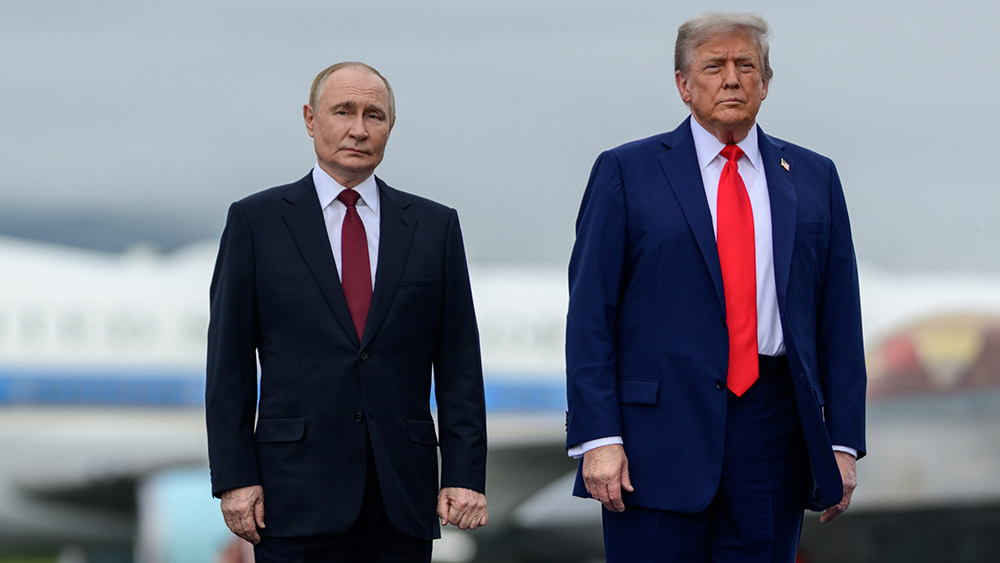
- Diplomatic efforts led by Pakistan collapsed after Iran rejected a proposed 48-hour ceasefire and refused to meet U.S. officials in Islamabad. Iran demands reparations, U.S. troop withdrawal from Middle East bases, and guarantees against future attacks. Tehran also dismissed Washington's conditions as unacceptable.
- Iran claims to have shot down a U.S. fighter jet (possibly an F-35) and captured a pilot, though the Department of War has not confirmed. Search-and-rescue operations are reportedly underway as tensions escalate.
- President Donald Trump doubled down on demands for Iran's "UNCONDITIONAL SURRENDER," asserting U.S. and allied control over Iranian airspace. Iran dismissed Trump's claims as "false and baseless," vowing continued resistance.
- Iranian military leaders warn that Israel and the U.S. "cannot endure a long war," threatening further retaliation. Experts warn Trump's approach leaves Iran no incentive to negotiate, risking unavoidable war if demands escalate (e.g., dismantling missiles, ending regional influence).
Trump's ultimatum: "Unconditional surrender"
Amid stalled diplomacy, President Donald Trump has doubled down on his aggressive posture, issuing a stark warning to Iran on his Truth Social platform: "UNCONDITIONAL SURRENDER!" Trump declared, adding that the U.S. and its allies now have "complete and total control of the skies over Iran." Trump's rhetoric directly contradicts Iran's denial of seeking a ceasefire. Earlier this week, Tehran dismissed his claims as "false and baseless," reaffirming its refusal to capitulate under pressure. Iranian officials have remained defiant, with Brig. Gen. Reza Talayi-Nik stating in a televised address: "The enemy cannot endure a long war. If this continues, the back of the Zionist regime will be broken." Iran's Islamic Revolutionary Guard Corps (IRGC) has also claimed responsibility for downing a U.S. fighter jet—though conflicting reports suggest it may have been an F-15E rather than an F-35.Global consequences loom
Experts warn that Trump's hardline stance risks pushing Iran into a corner with no incentive to negotiate. Trita Parsi of the Quincy Institute stated that if Iran "doesn't believe surrender is a real option, they won't accept it." He added that Israel and the U.S. could keep demanding more—dismantling missiles, ending regional influence—until war becomes unavoidable. A prolonged conflict could trigger catastrophic ripple effects:- Energy crisis: Iran could blockade the Strait of Hormuz, choking off 20% of global oil supplies.
- Regional escalation: Russian and Chinese backing for Iran could further destabilize the Middle East.
- Humanitarian disaster: Millions of civilians risk being caught in the crossfire.
Iran demands Gulf neighbors pay billions in war reparations after U.S.-Israel strikes
By Cassie B. // Share
Iranian Officials Warn of Response to U.S. Threat to Blockade the Strait of Hormuz
By Garrison Vance // Share
Ex-Pakistani Official: Tehran Lacks Military Means to Sustain Conflict
By Garrison Vance // Share

Iran Limits Strait of Hormuz Transits to Friendly Vessels, Tankers Queue
By Garrison Vance // Share
U.S. Announces Hormuz Blockade, Considers Limited Strikes After Iran Talks Fail
By Garrison Vance // Share

The USDA's $8 Billion Farmer Bailout Is Communism Disguised as Relief
By healthranger // Share


Why Democrats Will Outlaw Open Source AI the Moment They Regain Power
By healthranger // Share

Could your sugar habit be reshaping your mouth's ecosystem?
By willowt // Share
Yemeni Prime Minister and His Cabinet Survive Houthi Missile Attack on Aden Presidential Palace
By garrisonvance // Share