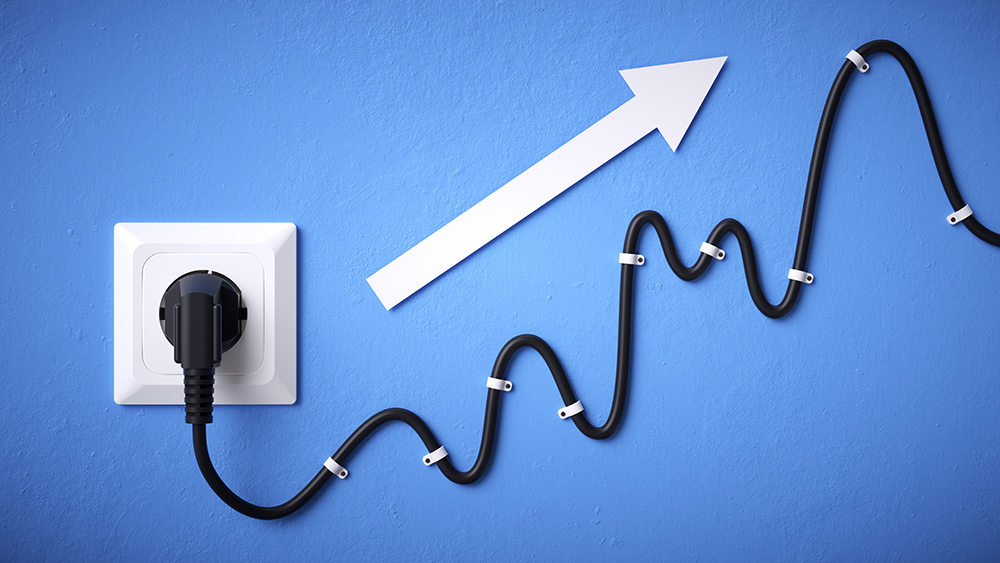
- Electricity prices are rising significantly, with the average U.S. residential cost increasing 33% from 2019 to 2025. Households are facing larger recent increases than commercial or industrial users.
- A historic wave of utility rate hike requests is the immediate cause, with proposals in 2025 alone exceeding any point since the 1980s. Regulators have approved about two-thirds of such requests in recent years.
- Multiple complex factors are driving costs upward, including volatile fuel prices, massive investments to upgrade aging grid infrastructure, storm recovery and building new power generation facilities.
- While some states have seen modest increases, regions like California and the Northeast are experiencing severe price surges, exacerbated by extreme weather and wildfire mitigation costs.
- Regulators face a critical balancing act between approving necessary investments for grid reliability and modernization and mitigating the severe financial burden higher bills place on consumers, especially the one-third of households for whom energy is already a high cost.
A national trend with local pain
According to an April 1 analysis by the Lawrence Berkeley National Laboratory and the consulting firm The Brattle Group, U.S. electricity prices have risen significantly in recent years. However, a simple national average obscures a patchwork of regional realities. While some states have managed costs effectively, others, particularly California and parts of the Northeast and Mid-Atlantic, are experiencing severe price surges. The report frames the situation through two lenses: a "crisis view" and a "more nuanced view," but both converge on the same troubling forecast. The most immediate signal of trouble is the historic volume of requests from investor-owned utilities—the companies that provide power to most Americans—seeking permission to raise rates. In 2025 alone, these revenue increase requests exceeded any point since the mid-1980s. Last year, proposals totaled a staggering $18 billion. Regulators, who must approve these hikes, have granted about two-thirds of such requests from 2021 through 2025. This regulatory momentum suggests that significant new increases are pending as officials review the latest batch of petitions.By the numbers: Who pays more?
The data reveals a clear hierarchy of pain. From 2019 to 2025, the nominal price of a kilowatt-hour—the standard unit of electricity—rose 33% for residential customers. Commercial customers saw a 26% increase, and industrial users faced a 27% rise. In practical terms, the average U.S. residential price jumped from 13 cents per kilowatt-hour in 2019 to 17.3 cents in 2025. This residential premium is notable; families are absorbing larger recent increases than businesses, placing a disproportionate strain on household budgets.What’s driving the cost upward?
Key drivers include the cost of the fuels used to generate power and wholesale supply prices, which are susceptible to global market swings. Simultaneously, massive investments are required to upgrade the aging distribution networks that deliver electricity to neighborhoods and the high-voltage transmission lines that carry it across regions. Other significant costs come from building new power generation facilities, recovering from severe storms and ensuring adequate capacity to meet peak demand. The "nuanced view" within the analysis offers critical context. It notes that, on average, electricity price increases have largely tracked general inflation over the period. In fact, 29 states saw a decline in inflation-adjusted prices from 2019 to 2025. For most areas, the percentage of income households spend on electricity—known as the energy burden—is lower today than it was in 2019. This indicates that while nominal bills are rising, the broader economic context of rising prices for all goods and services must be considered.A regional spotlight: The northwest example
A presentation to the Northwest Power and Conservation Council highlighted that states like Washington, Oregon, Idaho and Montana still enjoy retail electricity rates that rank in the bottom half nationally for cost. Their increases have been modest compared to national trends. However, the presentation confirmed that extreme weather events and wildfire mitigation efforts—acute in California but felt across the West—are exerting upward pressure on costs. Investments in grid hardening and replacement are also major factors. The analysis notes that volatility in natural gas prices creates significant impacts. Separate economic research from the United Kingdom, conducted after the outbreak of conflict in the Middle East, shows a direct correlation. Companies globally now expect to raise their prices more rapidly as war drives up oil and gas costs, which inevitably filters into energy production expenses worldwide. This geopolitical risk layer adds uncertainty to any forecast. The last time utility rate requests were this high was in the 1980s, following the oil shocks of the previous decade. Today’s drivers are different: not just commodity spikes, but a concerted push to transition to renewable energy sources, replace century-old infrastructure and fortify grids against a rising tide of extreme weather events. The nation is paying for decades of underinvestment while funding a more complex future system. "High electricity charges are a burden for American households because they directly increase monthly living expenses, reducing disposable income for other necessities," said BrightU.AI's Enoch. "The situation is particularly frustrating for those in housing, like apartments, where alternative cost-saving measures such as solar panels are not feasible."The regulatory crossroads
State public utility commissions now face a formidable balancing act. They must weigh the justified needs of utilities to maintain reliability, comply with state clean-energy mandates and harden infrastructure against the tangible hardship higher bills impose on constituents. Their decisions in the coming months on the pending $18 billion in requests will set the financial trajectory for the American energy consumer for years to come. The report notes that even with lower average energy burdens, one-third of U.S. households still spend more than 5% of their income on electricity—a threshold often considered a high burden. The analysis from Lawrence Berkeley National Laboratory and The Brattle Group presents a nation at an energy crossroads. The warning is clear: the era of stable, low-cost electricity is over and Americans must prepare for a new reality of powering their lives. Watch a report on lost jobs, gas prices and the war and they are affecting the U.S. economy. This video is from the News Clips channel on Brighteon.com. Sources include: ZeroHedge.com NWCouncil.org TheGuardian.com BrightU.ai. Brighteon.com
A grand bargain amid a naval blockade: U.S. pursues dual path with Iran
By Willow Tohi // Share

U.S. Navy halts all Iranian sea trade in Strait of Hormuz blockade
By Cassie B. // Share

Killing Iran’s supreme leader did not secure Israel, but birthed a wider war on two fronts
By Lance D Johnson // Share
The solar glut: UK grid buckles under unmanageable green energy surge
By Willow Tohi // Share
China Accelerates Central Asian Energy Corridors as Hormuz Disruption Continues
By Douglas Harrington // Share

Studies Identify Lifestyle Factors for Modifying Resting Heart Rate, a Key Longevity Marker
By Morgan S. Verity // Share

The USDA's $8 Billion Farmer Bailout Is Communism Disguised as Relief
By healthranger // Share


Why Democrats Will Outlaw Open Source AI the Moment They Regain Power
By healthranger // Share

Could your sugar habit be reshaping your mouth's ecosystem?
By willowt // Share

Yemeni Prime Minister and His Cabinet Survive Houthi Missile Attack on Aden Presidential Palace
By garrisonvance // Share