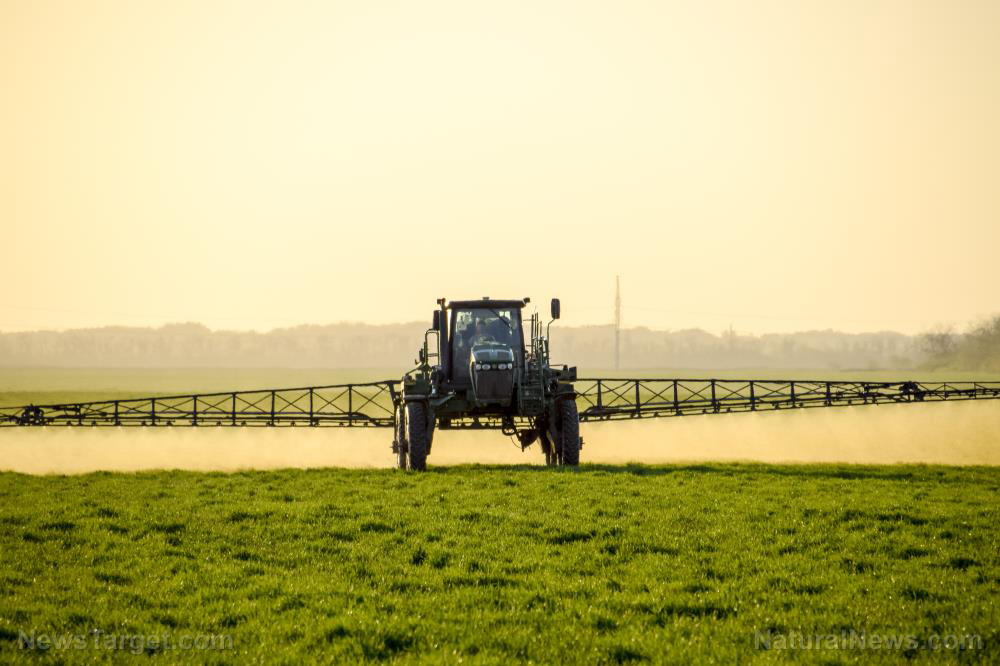
- Middle East conflict disrupts vital fertilizer shipments through the Strait of Hormuz.
- Fertilizer prices have spiked by up to 35% during the critical spring planting season.
- The crisis threatens already thin farm margins and risks renewed food inflation.
- U.S. food and national security are seen as vulnerable due to this global supply chain choke point.
- Farmers face impossible choices about reducing planted acres or fertilizer use.
A global pinch point
"The world is now learning just how important the Strait of Hormuz is," Caleb Jasso, a policy expert at the Institute for Energy Research, told The Epoch Times. "A great deal of trade of all kinds goes through that choke point, including a very sizable portion of the fertilizer market for the world." Major exporters like Saudi Arabia, Qatar, and Iran depend on this route. The International Food Policy Research Institute estimates 36 percent of global urea exports and 29 percent of ammonia exports transit the strait. For U.S. farmers, the timing could not be worse. "The conflict is coming at nearly the worst possible time, the spring planting season," Peter Earle, senior economist at the American Institute for Economic Research, explained. He warns that prolonged disruption will lead to "renewed food inflation pressure," affecting everything from grain and livestock feed to meat, dairy, and restaurant prices. Cyndie Shearing of the American Farm Bureau Federation called the interruptions "a threat to U.S. food security – and by extension ... national security."Farmers on a razor's edge
The price surge is a devastating blow to producers already operating on the edge. The leaders of 14 state corn growers associations recently wrote to the U.S. attorney general, stating that "crop prices remain depressed, while the costs of essential nutrients continue to reflect a market distorted by excessive concentration." They noted that farm families are "operating on razor-thin margins at best – and at a net loss in many cases." In Texas, the impact is visceral. "Texas farmers and ranchers are feeling the impacts, both in the cost of fertilizer and fuel prices," said Gary Joiner, a spokesperson for the Texas Farm Bureau. He reported fertilizer price hikes of between 11 and 30 percent, with diesel fuel reaching its highest average since 2022. Texas A&M AgriLife data shows dry nitrogen fertilizer soaring 34 percent since December. This forces impossible choices. "Farmers are having to make choices right now," Joiner said. "Do they continue to plant the crops they had planned? Do they reduce the number of acres? Do they reduce fertilizer use?" Roughly a quarter of farmers nationwide still need to buy fertilizer for spring planting, and they will bear the brunt of these historic increases. The situation highlights a dangerous vulnerability in a system most consumers never see. The modern food supply, which feeds billions of people, is precariously dependent on global logistics and fossil fuel derivatives. With each dollar increase per ton of fertilizer, the cost of growing the staples of our diet – from field corn to fresh vegetables – climbs higher. The seeds of tomorrow's grocery bill are being sown in today's stressed fields, a reminder that national security is not just about borders, but about the very foundation of what sustains us. Sources for this article include: TheEpochTimes.com KXAN.com AGUpdate.com
Asia faces historic energy shock as Middle East crisis sends oil and LNG prices soaring
By Cassie B. // Share

Russia and China deepen strategic ties, positioning against Western containment efforts
By Willow Tohi // Share
Belgian officials intercept Israeli-bound arms shipment from Britain at Liege Airport
By Cassie B. // Share

U.S. and Iran Report Progress on Ceasefire Framework as Naval Blockade Continues
By Garrison Vance // Share

Bitcoin Passes Midpoint in Current Halving Cycle, 2028 Supply Reduction Looms
By Sterling Ashworth // Share

The Coming Economic Collapse Will Be Three Times Worse Than COVID… And It Can’t Be Stopped
By Mike Adams // Share
The USDA's $8 Billion Farmer Bailout Is Communism Disguised as Relief
By healthranger // Share


Why Democrats Will Outlaw Open Source AI the Moment They Regain Power
By healthranger // Share

Could your sugar habit be reshaping your mouth's ecosystem?
By willowt // Share

Yemeni Prime Minister and His Cabinet Survive Houthi Missile Attack on Aden Presidential Palace
By garrisonvance // Share