
- Combining physical activity with proper nutrition yields greater cognitive protection than either alone. Exercise boosts neuroplasticity and BDNF (brain-derived neurotrophic factor), while anti-inflammatory diets (Mediterranean/MIND) enhance these effects by reducing neurodegeneration.
- Studies included aerobic exercise, resistance training, balance programs, omega-3 supplementation and dietary counseling. Simple, sustainable routines (walking, bodyweight exercises, fish/flaxseed intake) showed the best adherence and results.
- Strength training (1–2x/week) and adequate protein intake trigger myokines, proteins that cross the blood-brain barrier to support neuron health and slow cognitive decline.
- Even small improvements (0.15 standardized mean difference) can delay dementia onset, preserving independence and quality of life over decades.
- Key recommendations - Exercise: 150 mins/week of moderate activity (e.g., walking) + resistance training. Diet: Omega-3s (fatty fish, walnuts), Mediterranean principles (vegetables, whole grains, healthy fats). Mindset: Consistency—not perfection—matters most for long-term brain health.
Why exercise and nutrition work better together
The brain thrives on movement and nourishment, but the mechanisms behind their combined effects are particularly compelling. Exercise enhances neuroplasticity—the brain's ability to adapt—by increasing blood flow and stimulating the release of brain-derived neurotrophic factor (BDNF), a protein crucial for memory and neuron health. Nutrition, meanwhile, amplifies these benefits. Omega-3 fatty acids, found in fatty fish and flaxseeds, support BDNF production, while Mediterranean-style diets reduce inflammation—a key contributor to cognitive decline. Additionally, resistance training triggers the release of myokines, proteins that cross the blood-brain barrier and further stimulate brain health. "The muscle-brain axis is a critical pathway," explains one researcher. "Maintaining muscle mass through strength training and proper protein intake ensures the brain receives protective signals that slow degeneration." The trials included in the meta-analysis varied widely, reinforcing the idea that multiple approaches can yield benefits. Exercise interventions ranged from aerobic workouts and resistance training to balance and flexibility programs. Nutritional strategies included dietary counseling (Mediterranean, MIND and national guidelines) and targeted supplementation (omega-3s, vitamin D and protein). Notably, the most successful protocols were practical and sustainable—walking programs, bodyweight exercises and simple dietary shifts—rather than extreme regimens.Small changes with long-term impact
While the cognitive improvements were modest—a standardized mean difference of 0.15—their significance lies in slowing decline rather than reversing it. Over years or decades, even small delays in cognitive deterioration can translate into extended independence and quality of life. Key takeaways for protecting brain health:- Strength training 1–2 times per week (resistance bands or bodyweight exercises suffice)
- 150 minutes of moderate aerobic activity (walking counts)
- Omega-3-rich foods or supplements (fatty fish, walnuts, flaxseeds)
- Mediterranean or MIND diet principles (more vegetables, whole grains and healthy fats)
Sources include:
MindBodyGreen.com BrightU.ai Brighteon.com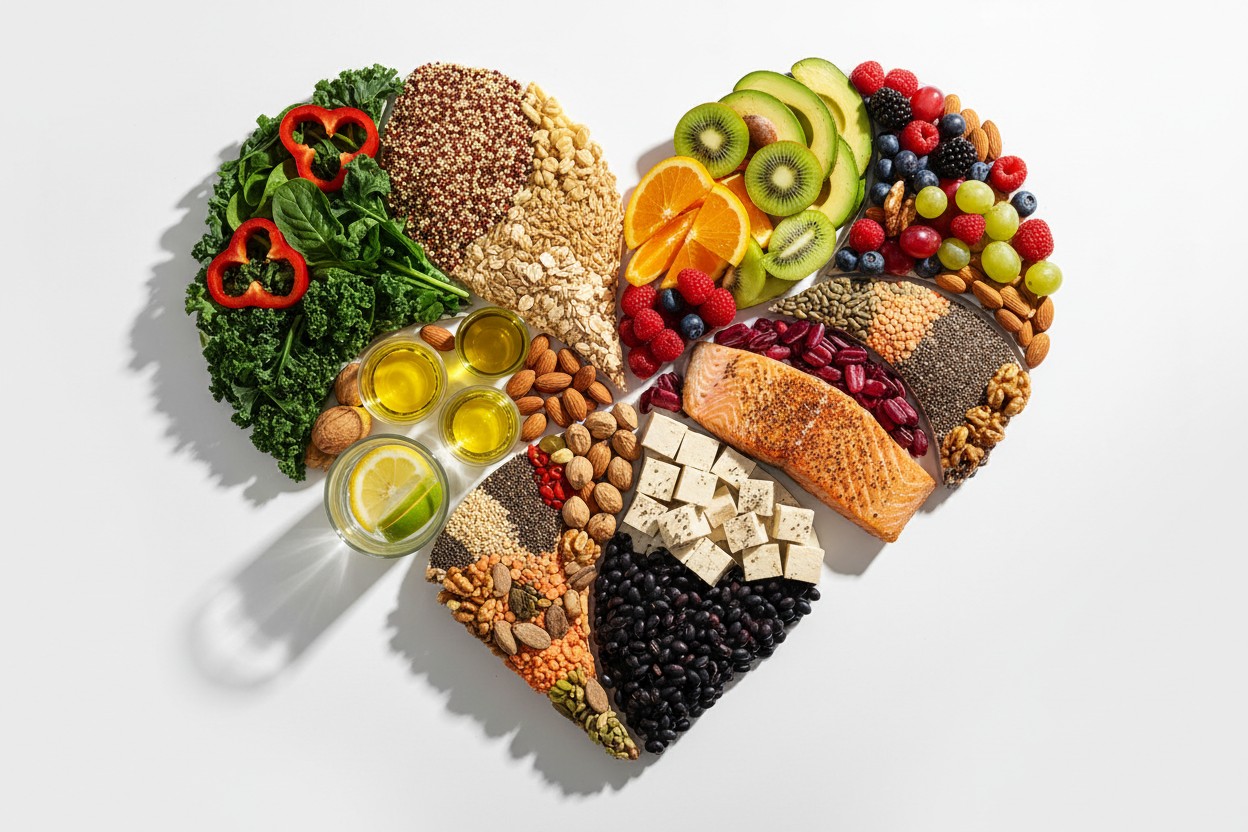
Beyond the hype: A case for real food in the fight against hypertension
By Ava Grace // Share


Gentle exercise and vigorous exercise, but not moderate exercise, improves sleep quality
By Lance D Johnson // Share

Study: Four-Week Dietary Changes May Reduce Biological Age Markers
By Coco Somers // Share

Two Trials Find Curcumin Reduces Liver Fat, Inflammation in Fatty Liver Disease
By Morgan S. Verity // Share

By Douglas Harrington // Share


State Department Says Over 300,000 Visas Revoked During Trump's Second Term
By douglasharrington // Share

By douglasharrington // Share

Trump Rally Scrapped as GOP Candidates Weigh Being Seen With Him, Report Says
By edisonreed // Share

Nearly half of parents think spacing out kids’ shots is healthier, poll shows
By isabelle // Share