Abdominal Muscle Contractions May Help Clean Brain via Mechanical Link
By petrastone // 2026-05-24
Tweet
Share
Copy
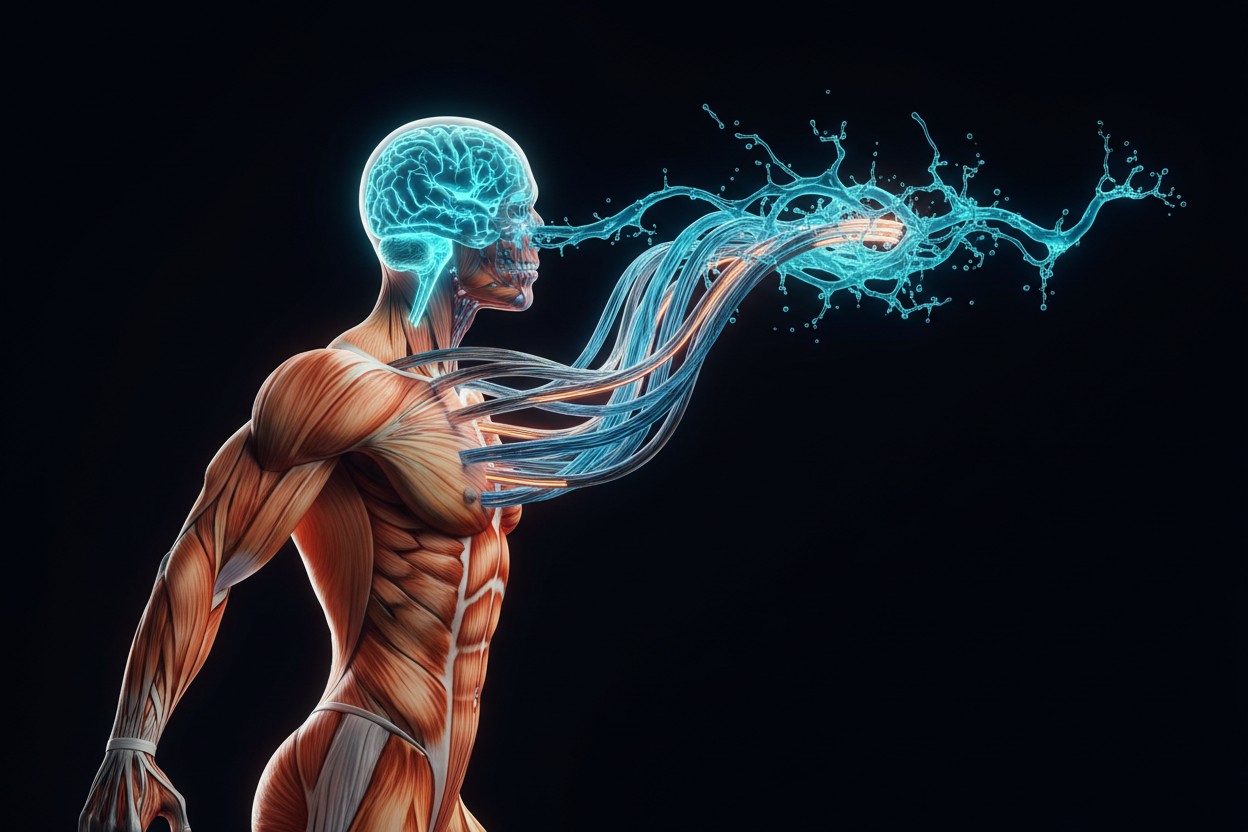
Researchers have identified a mechanical link between abdominal muscle contractions and brain waste clearance, suggesting that simple movements such as walking may help the brain clean itself. The findings, reported in Nature Neuroscience, propose that each contraction of the abdominal muscles during movement creates a hydraulic effect that shifts the brain and promotes the flow of cerebrospinal fluid (CSF), a fluid that helps remove cellular waste.
According to the report, the brain is mechanically linked to the abdomen through a network of blood vessels. Lead author Patrick Drew, professor at Penn State, stated that “a little bit of motion is good” and that the research “explains how just moving around might serve as an important physiological mechanism promoting brain health.” The study was conducted on mice and supported by computer simulations.
Methodology and Experiment Design
The research team used mouse models to observe the relationship between abdominal muscle contractions and brain motion. They applied computer simulations to track fluid movement within the brain. To confirm abdominal pressure as the primary driver, the researchers applied gentle pressure to the mouse’s belly—less pressure than a standard blood pressure test—and observed brain shift and fluid flow. According to the published report, the study did not measure fluid flow directly in living brains but relied on simulated models. The team designed the experiments to isolate the mechanical effect of abdominal contractions, ruling out other physiological factors. The methodology aligns with established practices in biomechanical research, using animal models to explore hydraulic principles in the body.Key Findings: Brain Motion and Cerebrospinal Fluid Flow
Each contraction of the abdominal muscles, such as during walking, moves blood from the abdomen into the spinal canal. This blood movement applies pressure that shifts the brain slightly within the skull. The brain’s sway then drives the flow of CSF through brain tissues, potentially carrying away waste products linked to neurodegeneration. Lead author Patrick Drew noted that the team was “surprised at how tightly linked the brain motion was to the abdominal muscle contraction.” Even without exercise, applying pressure to the abdomen was sufficient to generate brain movement and fluid flow. The finding highlights a physical mechanism by which everyday motion may support brain health, complementing known chemical and metabolic benefits of exercise.Implications for Brain Health and Disease
Scientists have long believed that CSF helps flush out waste products, and accumulation of such waste is associated with Alzheimer’s disease, according to the researchers. This study provides a mechanical explanation for how exercise may benefit brain health beyond chemical or metabolic effects. The physical displacement of the brain during abdominal contractions could enhance the clearance of harmful proteins, offering a new perspective on the role of movement in preventing neurodegenerative conditions. Drew stated that the research “explains how just moving around might serve as an important physiological mechanism promoting brain health.” The findings align with a growing body of evidence linking regular physical activity to reduced dementia risk. For instance, studies have shown that walking at least 5,000 steps per day slows the buildup of tau protein, a marker of Alzheimer’s-related decline [5]. Similarly, combining exercise with dietary improvements has been shown to slow cognitive decline in older adults [6].Caveats and Need for Further Research
The study was conducted on mice, and researchers acknowledged that more studies are needed to determine if the results apply to humans. Additionally, fluid movement was tracked through simulations rather than measured directly in a living brain, a limitation noted in the report. Despite these caveats, Drew said the findings suggest that “a little bit of motion is good” and could be “another reason why exercise is good for our brain health.” Further research will need to confirm the hydraulic mechanism in humans and explore its potential for therapeutic applications. The simplicity of the intervention—simply moving or contracting the abdomen—makes it an accessible target for future studies. As the population ages and dementia rates rise, identifying low-cost, non-pharmaceutical strategies for brain health becomes increasingly important [7].References
- Paul Chek. "The Power of Walking." Mercola.com. March 06, 2004.
- Dr. Mercola. "Daily Walking Benefits Those with Lung Disease and Cuts Stroke Risk: Here's How to Optimize Your Benefits from Walking." Mercola.com. March 21, 2014.
- Elaine Nicpon Marieb. "Anatomy & Physiology."
- Bruce Kumar Frantzis. "Tai Chi Health for Life: How and Why It Works for Health, Stress Relief and Longevity."
- ActivistPost.com. "Evidence Points to a Narrow Exercise Range That Protects Metabolism and Cognition." February 27, 2026.
- NaturalNews.com. "Exercise and nutrition: The dual defense against cognitive decline." April 29, 2026.
- NaturalNews.com. "Simple lifestyle changes can drastically reduce dementia risk, study finds." April 20, 2026.
Tweet
Share
Copy
Tagged Under:
brain function research brain health cognitive function mental discoveries cognition goodhealth fight obesity abdominal muscle muscle contractions brain motion
You Might Also Like

International Study Finds Nature’s Well-Being Benefits Linked to Body Appreciation
By Morgan S. Verity // Share

Experts say diet and natural compounds hold the key to youthful skin
By Jacob Thomas // Share




Recent News


Full-fat dairy reconsidered: New science challenges decades of dietary dogma
By willowt // Share

Hegseth Says Public Will Be Able to Watch Fort Hood Shooter's Execution by Firing Squad
By douglasharrington // Share

Trump Considering Suspending Federal Gas Tax as States Lower Fuel Levies
By sterlingashworth // Share

South Korea Ambassador to Kyiv Recalled Over Prisoner Transfer Dispute
By garrisonvance // Share

DHS Proposes $70,000 Fee for Foreign Students in Optional Practical Training
By douglasharrington // Share