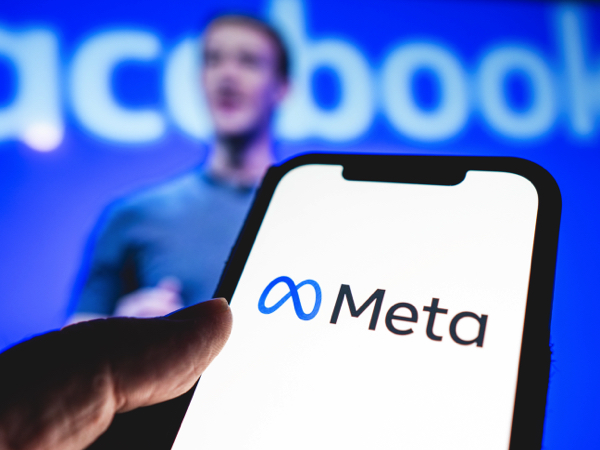
- Meta, SnapChat, TikTok and YouTube have agreed to pay $27 million to settle a Kentucky school district lawsuit alleging their platforms were designed to addict children.
- The Breathitt County School District sought $60 million to fund a 15-year mental health program for students suffering from anxiety, depression and self-harm.
- This bellwether case was the first of 1,200 similar school district lawsuits pending in federal court.
- The companies admitted no wrongdoing but face growing legal pressure, including a prior $6 million jury verdict against Meta and Google in March.
- Over 5,700 lawsuits related to youth social media addiction remain pending in California state and federal courts.
The addiction by design argument
The Breathitt County case centered on claims that social media companies engineered their platforms to exploit young users' developing brains. School officials alleged that features like algorithmically curated endless feeds and automatic video playback were designed to maximize engagement at the expense of student well-being. The district reported that teachers and staff were forced to manage the fallout of student anxiety, depression and self-harm directly linked to platform use. The lawsuit argued that schools became the de facto mental health safety net for a problem the companies created, with educators spending increasing time addressing social media-related crises during classroom hours. Meta agreed to pay $9 million, the largest share. Snap and TikTok each paid $8 million, while YouTube contributed $2.01 million and agreed to provide special training on Google Classroom and other products. None of the companies admitted liability, and the settlement included no requirements to modify their platforms.Historical parallels to Big Tobacco
The legal strategy mirrors landmark lawsuits against tobacco companies in the 1990s, which established that corporations could be held liable for designing addictive products while publicly denying their harms. Plaintiffs' attorneys have drawn direct comparisons, arguing that social media companies possessed internal research showing their platforms harmed teenagers yet continued prioritizing profit over safety. California Attorney General Rob Bonta previously stated that "Meta knows that what it is doing is bad for kids — period," a sentiment echoed across dozens of state lawsuits. The March 2026 jury verdict in Los Angeles, which ordered Meta to pay $4.2 million and Google $1.8 million to a young woman who developed addiction to YouTube and Instagram as a child, represented the first successful liability finding against social media companies for their product design.Escalating legal and regulatory pressure
The Kentucky settlement resolves only the first bellwether case among a massive wave of litigation. More than 3,300 addiction-related lawsuits are pending in California state court, while 2,400 additional cases brought by individuals, municipalities, states and school districts are consolidated in federal court. Next in line is the Tucson Unified School District in Arizona, serving 40,000 students, which seeks more than $1.1 billion to fund a 15-year mental health program plus $100 million in compensation for staff time spent managing social media's impact. The Los Angeles Unified School District and New York City public school system, together serving over 1.2 million students, have also filed lawsuits. Meta has warned investors that legal and regulatory blowback in the European Union and United States over youth social media issues "could significantly impact our business and financial results." The company faces a separate $375 million civil penalty from a New Mexico jury over child safety claims, as well as European antitrust fines totaling hundreds of millions of dollars.What the settlement does and does not change
The Breathitt County resolution highlights a critical limitation of such settlements: they provide financial compensation but do not compel platform redesign. Critics note that without court-ordered changes to addictive features, the underlying business model remains intact. The companies continue to assert they take reasonable steps to protect young users, pointing to tools like Teen Accounts and parental controls introduced across their platforms. However, the cumulative legal pressure is producing measurable consequences. Meta has introduced over 30 tools to support teens and families since the initial lawsuits were filed. YouTube agreed to provide educational training as part of the Kentucky settlement. These incremental changes represent what some advocates describe as progress, while others argue they fall short of what is needed to meaningfully address the youth mental health crisis.A watershed moment for tech accountability
The Kentucky school district settlement joins a growing body of legal precedent establishing that social media companies can be held financially responsible for the designed addictiveness of their platforms. While $27 million represents a fraction of what the district sought, and the companies avoided admitting wrongdoing, the resolution signals that courts are increasingly receptive to arguments that have failed for years in legislative and regulatory venues. With over 5,700 lawsuits remaining and two trials scheduled for July 2026, this bellwether settlement may accelerate further resolutions. The tobacco industry parallels suggest a long arc of litigation will likely reshape how companies design products for young users, but only if courts continue to hold them accountable for the consequences documented in their own internal research. Sources for this article include: RT.com TheDailyRecord.com TheGuardian.com Facebook.com
Experts warn of unknown health hazards linked to UNIDENTIFIED compounds in synthetic milk
By Jacob Thomas // Share

Banks Replace Lower-Value Roles With AI as Recent Graduates Face Hiring Challenges
By Chase Codewell // Share


China’s nuclear surge threatens U.S. energy dominance as AI demand reshapes global power
By Willow Tohi // Share

Whistleblower Alleges Bill Gates Used NIH Donations to Steer Research Priorities
By Morgan S. Verity // Share


JD Vance Says U.S. Has "Decisively Won" Iran War in Some Ways as Midterms Near
By garrisonvance // Share
Trump Approval Rating Falls to Record Low; Republican Candidates Adjust Midterm Campaigns
By douglasharrington // Share

Lawmakers want an AI pause but can’t say what they’d actually pause
By isabelle // Share


The Chilean salmon advantage: A conservative case for nutrition and longevity
By avagrace // Share