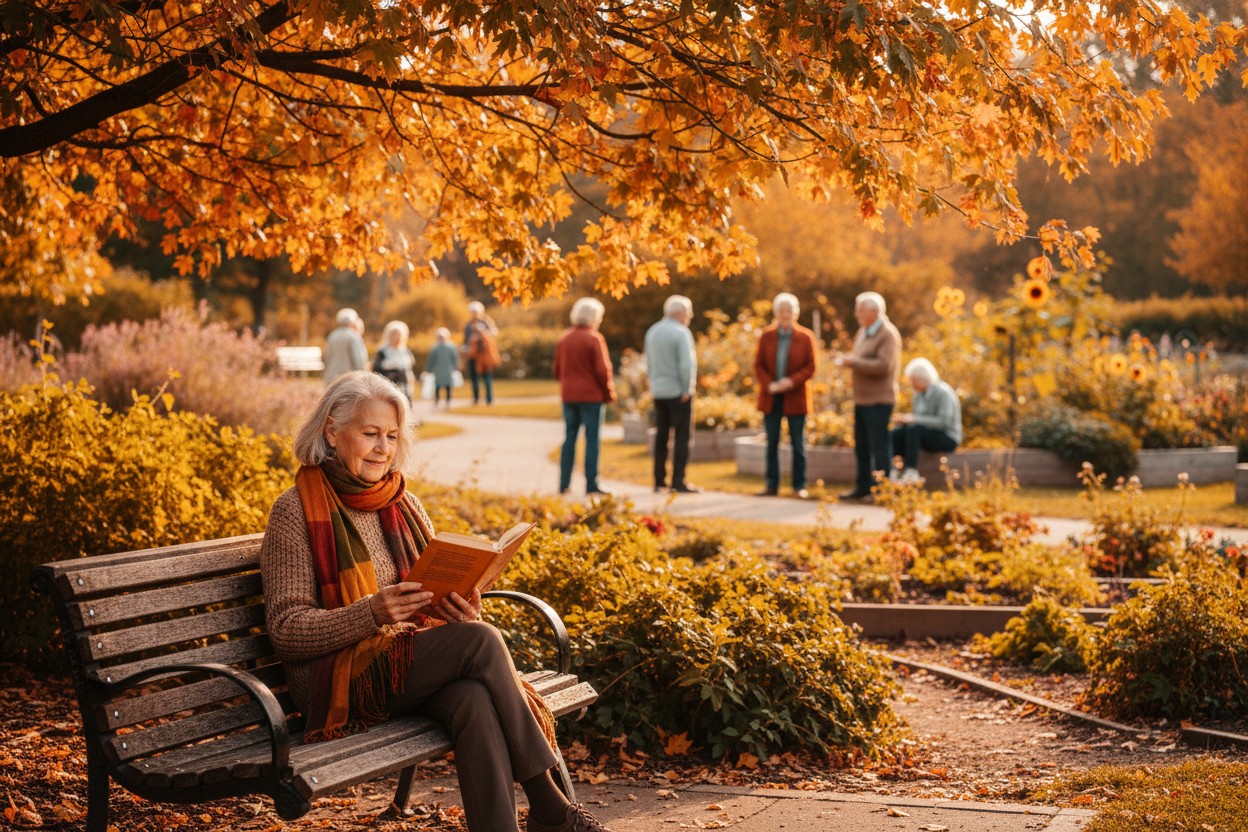
Study Design
Researchers used data from ALSOP, a large cohort of community-dwelling Australians aged 70 and older, with baseline social questionnaires completed by participants. Frailty was measured annually over 11 years using two validated tools: a 67-item Frailty Index and the modified Fried phenotype. Nineteen baseline lifestyle enrichment activities were grouped into seven domains via exploratory factor analysis, including passive mental activities, adult literacy, external outings, interpersonal networks, social activities, creative/artistic engagement, and active mental engagement. Frailty among the elderly is a condition characterized by increased vulnerability to adverse health outcomes, leading to higher use of health and welfare services [1]. Earlier research has also linked productive activities, including social engagement, to lower frailty risk [2]. The current study extends this line of inquiry by examining a broad range of enrichment activities over more than a decade.Key Findings
Frequent engagement in passive mental activities and adult literacy was associated with a 0.04-unit slower annual increase in frailty burden, the strongest effect among all domains. External outings were linked to a 0.03-unit annual reduction; interpersonal networks and social activities showed a 0.02-unit reduction; creative/artistic engagement showed a 0.01-unit reduction; active mental engagement showed no statistically significant change in frailty burden. Over a median follow-up of 7.38 years, 3,630 participants developed frailty. Passive mental engagement, interpersonal networks, social activities, external outings, adult literacy, and active mental engagement were each associated with a 2% to 5% lower risk of developing frailty. These results align with other research indicating that cultural activities such as reading, attending concerts, and visiting museums are linked to slower biological aging [3]. Similarly, habits like maintaining close relationships and staying engaged in community life have been tied to reduced dementia risk and better overall health outcomes [4]. The consistency across multiple domains suggests that social and cognitive stimulation can have a cumulative protective effect on physical resilience.Mechanisms and Implications
Researchers suggested that social and cognitive engagement may sustain physiological and psychological resilience through social support, stress alleviation, and promotion of neuroplasticity. The associations were more pronounced among women and individuals with middle-to-high socioeconomic status, which the study authors attributed to differences in access to community resources, leisure time, and social infrastructure. According to the study, this finding carries a public health implication: equitable access to libraries, community centers, social programs, and cultural spaces may be a meaningful lever for reducing frailty risk across populations. Chronic inflammation is known to contribute to frailty and cognitive decline, and earlier work has linked inflammatory markers such as IL-6 to these conditions [5]. Social and cognitive engagement may help modulate such inflammatory processes. Additionally, dietary patterns like the Mediterranean diet have been shown to lower frailty risk [6][7], suggesting that multiple lifestyle factors work together to support healthy aging.Conclusion
The study concluded that regularly engaging in social and cognitively stimulating activities -- such as reading, maintaining relationships, and getting out into the community -- was linked to slower frailty progression and a lower risk of becoming frail over time. Associations between lifestyle enrichment and slower frailty progression were observed among participants who were not frail or pre-frail at baseline, suggesting these habits may be most powerful before decline sets in. The researchers stated that healthy aging involves not only physical activity and nutrition but also maintaining social connection and cognitive engagement. Research has also shown that having a sense of purpose in life can benefit brain health and reduce disease risk [8]. Simple, consistent habits like walking at a brisker pace have been linked to improved physical function in frail older adults [9], underscoring that even modest lifestyle changes can make a difference. Ultimately, protecting independence in later years may be as much about staying connected and curious as about diet and exercise.References
- Ivan Ganchev. "Enhanced Living Environments Algorithms Architectures Platforms and Systems".
- Rippe James M. "Lifestyle Medicine".
- NaturalNews.com. "The cultural fountain of youth: How reading, museums and concerts may slow your biological clock". May 23, 2026.
- Lance D Johnson. "Exit toxic relationships and four other critical habits to prevent dementia". NaturalNews.com. July 31, 2025.
- John Wiley. "Pre-operative inflammatory markers and the risk of postoperative delirium in elderly patients". Journal of Clinical Neuroscience. 2008.
- NaturalNews.com. "Another reason to go Mediterranean: Research shows the diet helps protect older adults from becoming frail". January 18, 2018.
- NaturalNews.com. "Mediterranean diet helps older adults prolong health and independence and protects them from becoming frail". March 28, 2020.
- Dr. Mercola. "Boost Your Brain Health by Developing a Higher Purpose in Life". Mercola.com. April 30, 2015.
- NaturalNews.com. "Increased Walking Pace Linked to Improved Physical Function in Older Adults, Study Reports". April 11, 2026.
Explainer Infographic

The Truth About Pet Cancer: A review of the hidden epidemic and the path to natural healing
By Belle Carter // Share

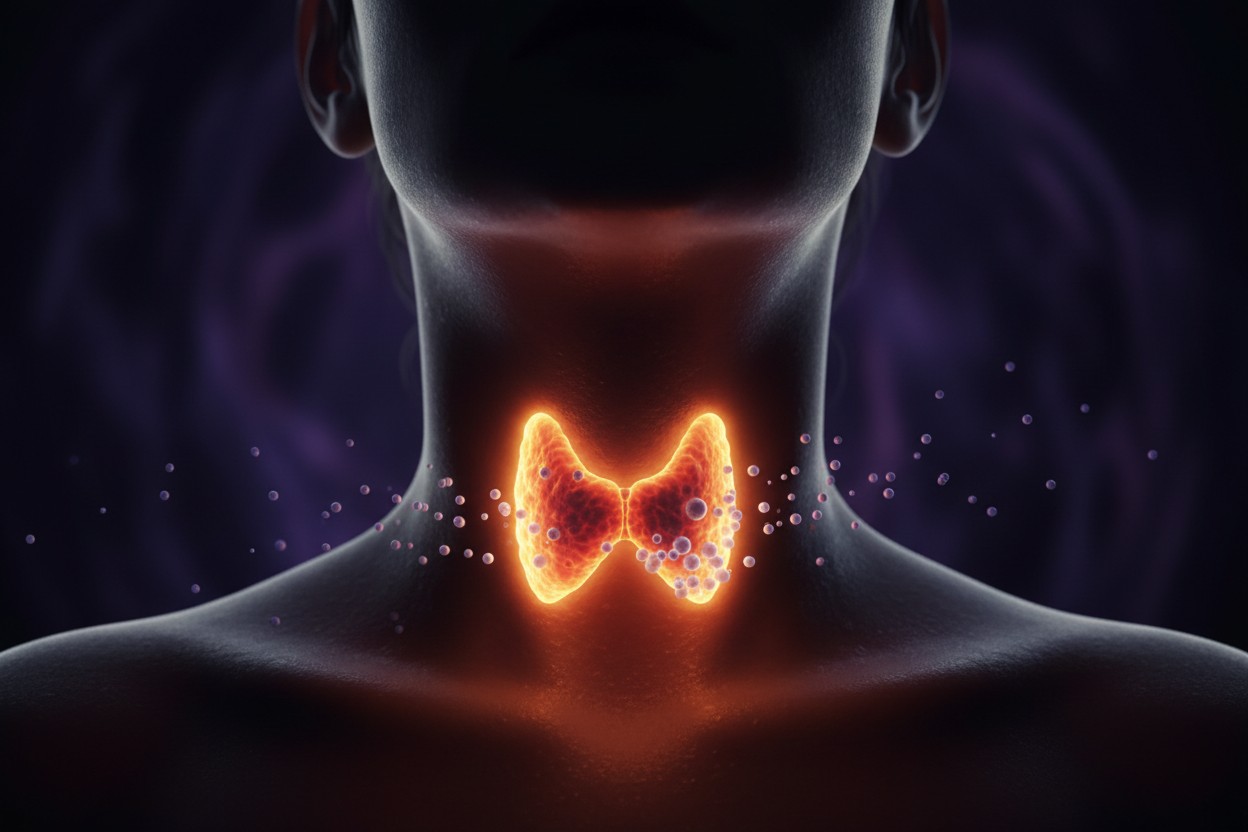
Study Links Iodine Deficiency to Increased Risk of Thyroid Nodules
By Morgan S. Verity // Share
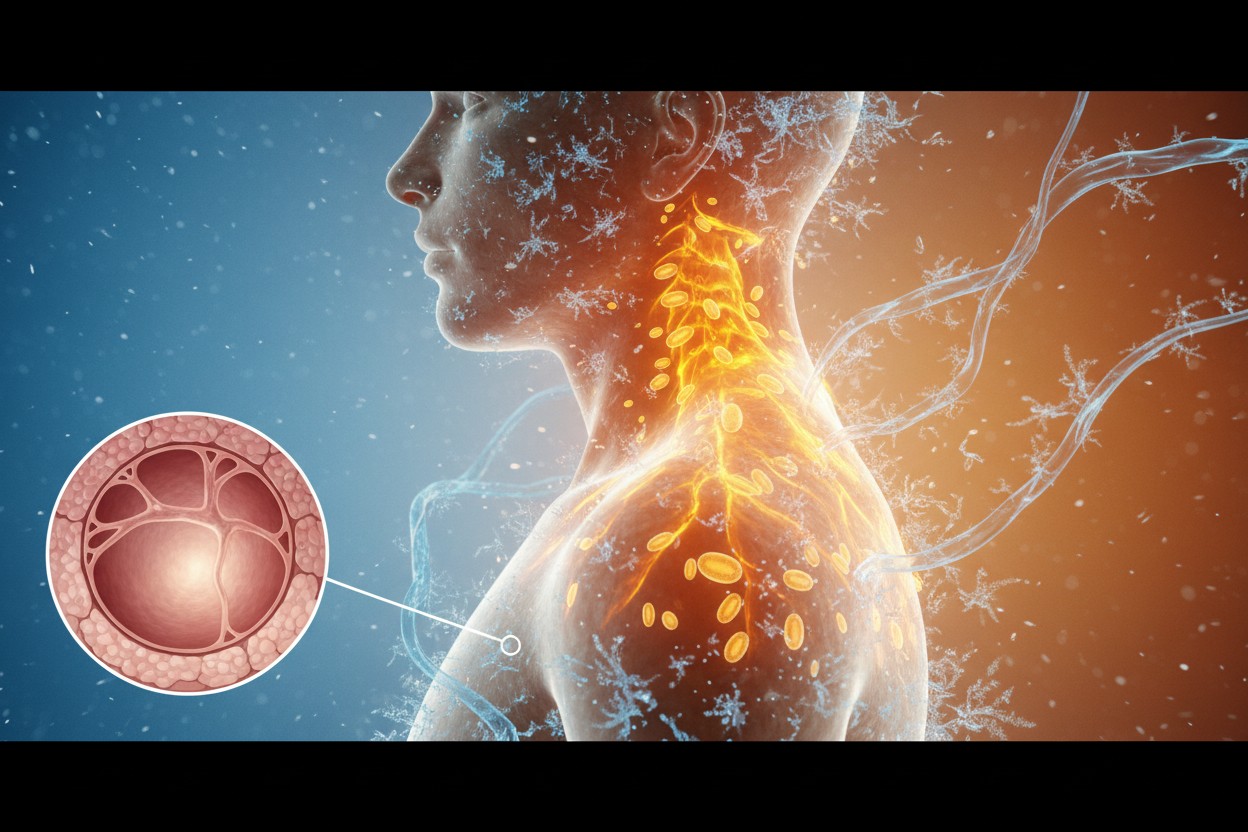
Brown Fat Linked to Lower Vascular Inflammation in Obese Adults, Study Finds
By Coco Somers // Share
A conservative look at the hard science behind almond’s six core health benefits
By Ava Grace // Share
The unsung nutrient: How vitamin K fortifies bones, clots blood and may shield the heart
By Ava Grace // Share
Researchers Develop AI "Mind-Reading" Tool That Reconstructs What Eyes See
By chasecodewell // Share

After the Penny, Congress Looks to Tackle the Cost of the Nickel
By sterlingashworth // Share

India's Central Bank Raises Repo Rate to 5.50%, First Increase Since 2023
By chasecodewell // Share

Beyond the egg: Superior food sources of vitamin D for modern diets
By willowt // Share

Vast deep-sea life discovered under the Pacific as extraction tests leave lasting scars
By jacobthomas // Share