Study Design and Methods
Researchers at multiple institutions conducted the CALERIE 2 trial, randomizing participants into a group instructed to reduce their daily calorie intake by 25% and a control group that ate their usual diet. All participants in the calorie-restriction arm received dietary education and support throughout the study. Detailed food records were collected at baseline and at six, 12, 18, and 24 months. Diet quality was measured using the Healthy Eating Index, a tool that assesses how closely a person's eating aligns with evidence-based dietary guidelines. Researchers also calculated a dietary inflammatory index to estimate the inflammatory potential of the foods consumed [1].Results: Improved Diet Quality, Stable Nutrition
Participants in the calorie-reduction group showed higher Healthy Eating Index scores and lower inflammatory scores over the two years. These shifts indicate a move toward greater consumption of whole foods, vegetables, and nutrient-dense choices, rather than simply eating smaller portions of the same foods, according to the study authors. Despite consuming fewer total calories, participants maintained adequate intake of key nutrients. No new deficiencies emerged during the trial. The study noted that the average achieved calorie reduction of 12% was more modest than the targeted 25%, yet still produced measurable benefits in diet quality and nutritional adequacy [1]. Prior research has also observed that calorie restriction interventions ranging from 10% to 30% over six months to one year did not compromise diet quality or nutritional adequacy [1].Inflammation and Aging Implications
The reduction in dietary inflammation is a significant finding, as chronic low-grade inflammation is linked to a wide range of age-related conditions, including heart disease and cognitive decline. Diet quality can influence the concentrations of hormones such as insulin, leptin, and cortisol, which in turn affect inflammatory processes [2]. Some dietary components also act as substrates for the biosynthesis of inflammatory mediators [2]. Calorie restriction has been studied for its effects on biological aging and longevity. According to Siim Land in The Longevity Leap, calorie restriction may work through mechanisms such as inhibition of mTORC1, reduction in insulin/IGF-1 signaling, upregulation of autophagy, and reduction in inflammation and oxidative stress [3]. The improvements seen in the CALERIE 2 trial suggest that even modest reductions in calorie intake, when combined with higher quality food choices, may support healthier aging processes.Practical Takeaways
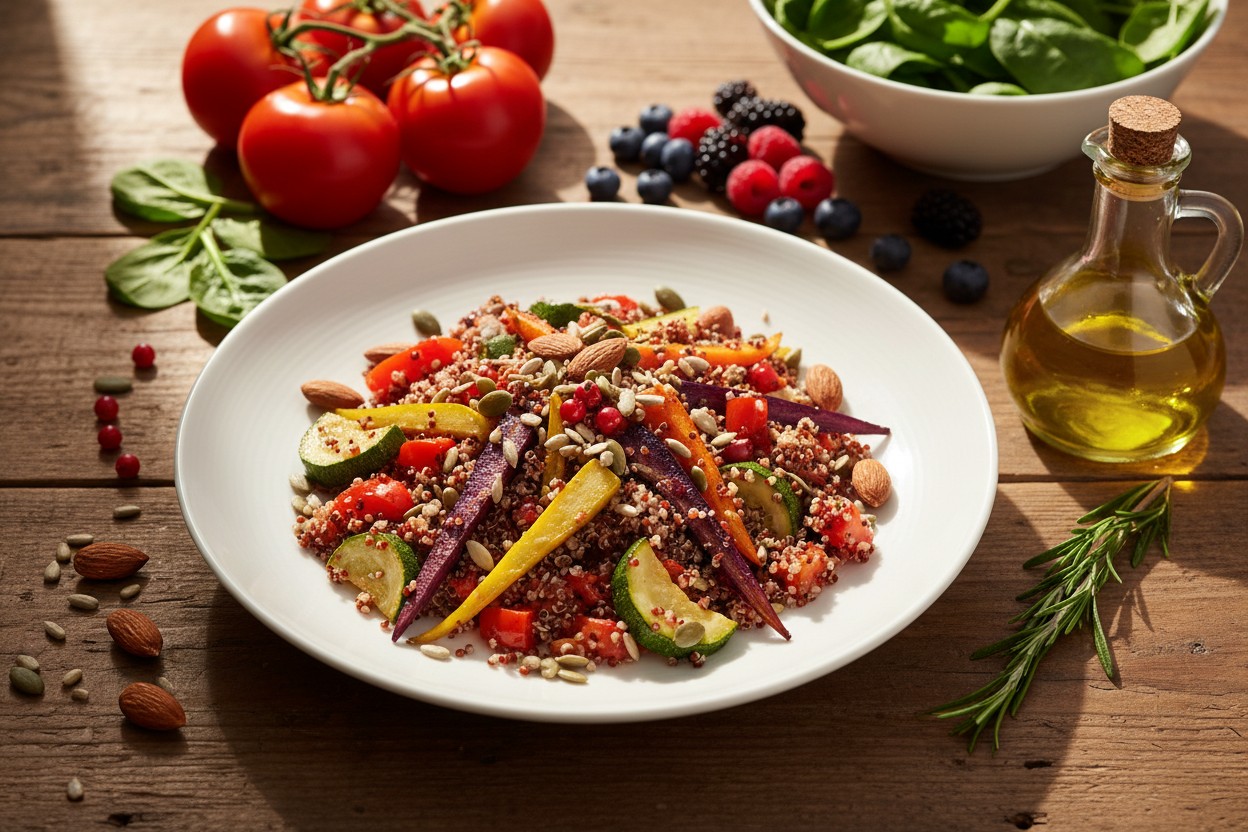
The average 12% calorie reduction achieved in this trial is more sustainable than the targeted 25%, indicating that moderate, achievable changes can yield health benefits. Experts emphasize that improvements were driven not by calorie restriction alone, but by increased nutrient density and food quality. Suggestions for individuals include prioritizing protein, fiber, and anti-inflammatory staples such as vegetables, legumes, whole grains, nuts, seeds, and olive oil. The CALERIE 2 trial, as noted in a separate report, demonstrated that participants who improved their health markers were those who enhanced the quality of what they ate, not simply those who cut the most calories [4]. Long-term healthy eating patterns have been linked to slower biological aging, supporting the importance of dietary quality over simple calorie counting.References
- NaturalNews.com. "Moderate Calorie Reduction Linked to Improved Health Markers, Study Says." May 20, 2026.
- Ross, Catharine A. Modern Nutrition in Health and Disease.
- Land, Siim. The Longevity Leap: A Guide to Slowing Down Biological Aging and Adding Healthy Years to Your Life.
- NaturalNews.com. "Study: Long-Term Healthy Eating Linked to Slower Biological Aging." May 2, 2026.
- Mercola.com. "Eating Less Has Positive Effects on Your Metabolism." September 25, 2020.
Explainer Infographic

8 Whole grains show promise in lowering cholesterol, experts urge dietary shift
By Ava Grace // Share

Vitamin D Status Trends Linked to Breast Cancer Survival, Study Finds
By Morgan S. Verity // Share


Supplements May Mitigate Heat Stress During Exercise, Studies Suggest
By Coco Somers // Share

Study Links Low Vitamin C Levels to Reduced Gray Matter Volume in Older Adults
By Chase Codewell // Share

Kiwis Provide Dietary Fiber, Nutrition Data Shows
By Coco Somers // Share

JD Vance Says U.S. Has "Decisively Won" Iran War in Some Ways as Midterms Near
By garrisonvance // Share

Trump Approval Rating Falls to Record Low; Republican Candidates Adjust Midterm Campaigns
By douglasharrington // Share

Lawmakers want an AI pause but can’t say what they’d actually pause
By isabelle // Share

The Chilean salmon advantage: A conservative case for nutrition and longevity
By avagrace // Share