Scale and Regulatory Response
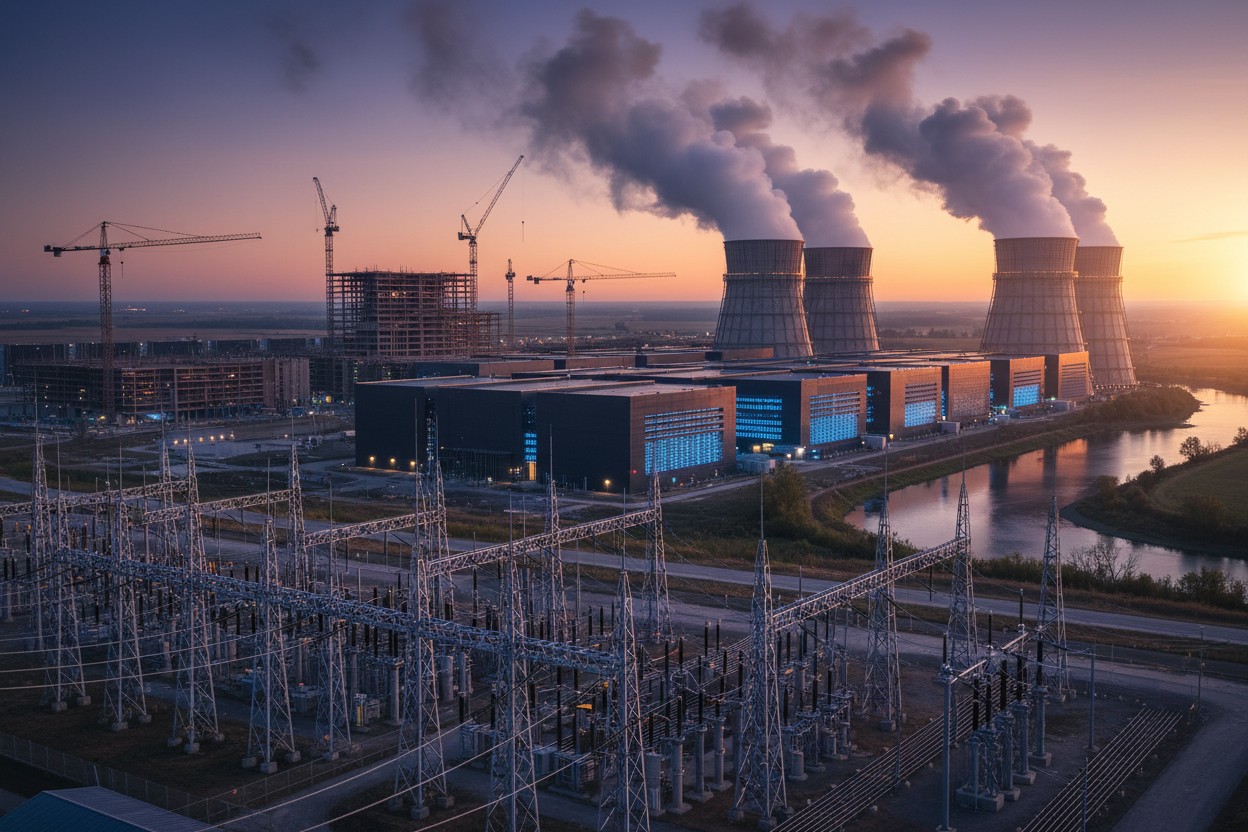
Ten gigawatts is roughly equivalent to the output of several large nuclear reactors or about 10 large gas-fired power plants running at full capacity, according to the report. Each gigawatt can power about 700,000 to 1 million homes. The U.S. power grid is at risk of shortfalls by 2028 without significant upgrades, particularly in Texas, the Midwest and the mid-Atlantic, as projections show a 25% increase in electricity demand by 2030 driven by artificial intelligence (AI), electric vehicles and data centers, according to a report on NaturalNews.com [1]. Ohio lawmakers have unveiled Substitute House Bill 646, which aims to regulate data center buildouts in the state. The bill would create a new electric rate class for data centers to ensure that the costs of generation, transmission, and distribution are entirely paid by hyperscalers. Ohio State Senate Finance Committee Chair Brian Chavez (R-Marietta), who is also co-chair of the data center committee, said, "Make sure the ratepayers are kept harmless, held harmless, and that data centers pay for whatever they're causing," as quoted by local outlet ABC News 5 according to the ZeroHedge report [2].Opposition and Risk Factors
An increasing share of data center projects have been delayed, scaled back or canceled due to local resistance over power demand, water use, land rights and grid reliability, according to the report. Oracle Corp. and OpenAI recently abandoned plans to expand a flagship AI data center in Abilene, Texas, according to a Bloomberg News report [3]. Local officials across the United States have sounded alarms that rapid construction of data centers is creating environmental and infrastructure concerns, as demand for AI computing accelerates, according to a report on NaturalNews.com [4]. The report also noted that China is preparing to begin its own data center buildout strategy. The Trends Journal reported that OpenAI has called for the creation of a "North American Compact on AI" under which the U.S. and Canadian governments would work together to outcompete China on AI development and deployment [5]. The AI power struggle and mass job displacements will affect the 2026 midterm elections, with the debate over AI becoming a central political issue, according to a report by Lance D Johnson in NaturalNews.com [6].Broader Industry Context
Goldman Sachs estimates that hyperscalers will spend $800 billion on data center capital expenditure this year alone, according to the ZeroHedge report [2]. OpenAI recently submitted a draft IPO prospectus to the Securities and Exchange Commission, formally beginning the process for one of the year's most anticipated debuts, the report stated. AI companies scrambling for cash to build new models and open data centers are offering their most valuable commodity as collateral for loans – the Nvidia chips that make AI work, according to a Trends Journal report [5]. Meta borrowed $30 billion in debt to fund its AI ambitions, signaling that even cash-rich tech giants can no longer fund the astronomical costs of the AI race from revenue alone [7]. The sudden shutdown of OpenAI's Sora video app, cited as due to unsustainable costs, fuels debate on whether the AI investment bubble is starting to burst, according to a report on NaturalNews.com [8]. These events underscore the tension between massive infrastructure spending and market realities.Conclusion
The Ohio data center talks represent a significant milestone in the race for AI infrastructure, but face regulatory and community hurdles. The outcome will depend on negotiations with federal and state authorities, as well as ongoing public scrutiny. The project illustrates the tension between technological ambition and local impact, as communities across the country push back against the rapid expansion of data centers and their demands on power grids, water supplies, and land.References
- Willow Tohi. "America Must Face the Looming Power Crisis". NaturalNews.com. September 1, 2025.
- ZeroHedge. "OpenAI Eyes Massive 10-Gigawatt Ohio Data Center". ZeroHedge. June 10, 2026.
- Chase Codewell. "Oracle, OpenAI Scrap Texas Data Center Expansion Plan, AI Stocks Decline". NaturalNews.com. March 11, 2026.
- Petra Stone. "Mayors Sound Alarm: AI Data Centers Push U.S. Toward Blackouts and Water Shortages". NaturalNews.com. March 18, 2026.
- Trends Journal. "Trends-Journal-2024-11-19".
- Lance D Johnson. "The AI Power Struggle and Mass Job Displacements Will Affect the 2026 Midterm Elections". NaturalNews.com. February 24, 2026.
- Ava Grace. "The $30 Billion Bet: Meta's Debt-Fueled AI Gamble". NaturalNews.com. November 4, 2025.
- Cassie B. "Sudden Shutdown of OpenAI's Sora Video App Signals a Reckoning for AI Hype". NaturalNews.com. March 26, 2026.
Explainer Infographic

Terrestrial Energy Secures Texas Site for Molten Salt Reactor Testing
By Edison Reed // Share
House Panel Told AI Threats Range From Hackers to Internal Surveillance
By Edison Reed // Share

Israel is spying on millions of Christian Americans in their churches and campuses
By Patrick Lewis // Share

By Lance D Johnson // Share

Appeals Court Allows Ohio to Enforce Social Media Parental Consent Law
By Edison Reed // Share

JD Vance Says U.S. Has "Decisively Won" Iran War in Some Ways as Midterms Near
By garrisonvance // Share
Trump Approval Rating Falls to Record Low; Republican Candidates Adjust Midterm Campaigns
By douglasharrington // Share

Lawmakers want an AI pause but can’t say what they’d actually pause
By isabelle // Share


The Chilean salmon advantage: A conservative case for nutrition and longevity
By avagrace // Share