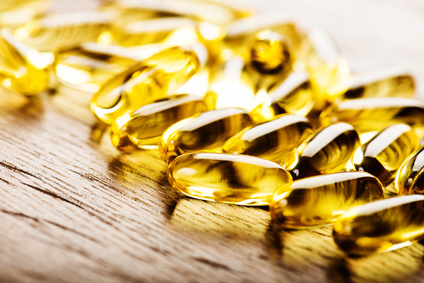
- The evidence is mixed. Some studies suggest omega-3s may slightly reduce night sweat intensity, but others show no improvement in hot flash frequency compared to placebo, and they are not considered a proven treatment for vasomotor symptoms.
- Omega-3s may support brain cell communication and reduce inflammation, with some studies showing improved depression scores in menopausal women, though results are inconsistent and may depend on individual factors like baseline levels and genetics.
- While some studies found improvements in sleep measures (e.g., less time awake at night), any sleep benefits are likely indirect—resulting from reduced night sweats or improved mood—rather than a direct effect of omega-3s.
- Omega-3 supplements are generally safe at recommended doses but can cause mild digestive side effects (e.g., fishy aftertaste, nausea, bloating); they are best taken with meals, and food sources like salmon, sardines and flaxseed are preferred over supplements.
- Due to inconclusive research, omega-3s are not a magic bullet; they may help some women with some symptoms occasionally, but they cannot replace proven treatments or healthy lifestyle habits like exercise, stress management and avoiding triggers.
The temperature regulation question
Hot flashes and night sweats remain among the most disruptive symptoms of menopause, affecting up to 80 percent of women. The theory behind omega-3s is straightforward: these healthy fats assist in the production of neurotransmitters that help maintain even body temperature. Some studies have found that omega-3 supplements may slightly reduce night sweats or improve the intensity of hot flashes. Yet other research has found little to no improvement in hot flash frequency compared with placebo. Women who report feeling better while taking omega-3s often combine them with other healthy lifestyle habits such as regular physical activity, maintaining a healthy weight, managing stress, improving sleep habits and avoiding common hot flash triggers. The bottom line, based on current evidence, is that omega-3s are not considered a proven treatment for vasomotor symptoms. The mixed results frustrate both researchers and the women looking for reliable relief.Mood, brain fog and emotional balance
Menopause can bring mood swings, anxiety, irritability and depressive symptoms. Researchers believe omega-3s may support brain cell communication and help regulate inflammation that affects mood. Some studies have found that omega-3 supplementation improved depression scores in menopausal women. The inconsistency suggests that omega-3s may help some women significantly while doing little for others, possibly depending on individual factors like baseline omega-3 levels, overall diet and genetic differences in how the body processes these fats.Sleep: A tangled web of symptoms
Many women hope omega-3s will improve sleep during menopause. Some studies have found improvements in certain sleep measures, such as time spent awake during the night. Other studies found no major differences in sleep outcomes. Sleep during menopause presents a particular challenge because it is entangled with other symptoms. If omega-3s are able to reduce night sweats or improve mood in some individuals, their sleep quality may improve indirectly. This makes it difficult for researchers to determine whether any sleep benefits come directly from the fatty acids or from the cascade of improvements they trigger.Safety and practical considerations
Omega-3 supplements are generally considered safe for most people when taken at recommended doses. However, some people may notice mild digestive side effects, especially when first starting the supplement or taking higher doses. These can include a fishy aftertaste, upset stomach, nausea, bloating, loose stools and heartburn. Taking omega-3 supplements with meals may help reduce stomach discomfort. Some people prefer taking them at night or using enteric-coated capsules to help reduce fishy aftertaste and reflux symptoms. Although uncommon, allergic reactions are possible, especially in people with fish or shellfish allergies.Food first, supplements second
Like many nutrients, omega-3s are often best obtained from food rather than supplements alone. Fatty fish provides additional nutrients including protein and vitamin D. Nutrients from whole foods may be better utilized by the body. Good food sources include salmon, sardines, trout, mackerel, herring, chia seeds, flaxseed and walnuts. For women who do not eat fish regularly, omega-3 supplements may help fill nutritional gaps.Historical context and what this means today
The question of omega-3s and menopause takes on new urgency in historical context. For decades, hormone replacement therapy was the standard answer for menopausal symptoms. Then the landmark Women's Health Initiative study in 2002 linked hormone therapy to increased risks of breast cancer, heart disease and stroke. Millions of women abruptly stopped taking hormones, and many doctors became reluctant to prescribe them. This created a vacuum that natural supplements rushed to fill. Omega-3s, already popular for heart health, became a natural candidate. The National Institutes of Health, the American Heart Association and other major institutions have funded extensive research. Yet two decades later, the evidence remains maddeningly inconclusive. "Hot flashes are a sudden sensation of intense heat, typically affecting the upper body," said BrightU.AI's Enoch. "They are a common symptom during menopause, caused by hormonal changes that affect the body's temperature regulation. The exact mechanism involves the brain's hypothalamus misinterpreting subtle temperature shifts, triggering a cooling response like sweating and flushing." For women approaching or experiencing menopause, the most honest advice remains this: Omega-3s may be part of a comprehensive approach to symptom management, but they cannot replace proven treatments or healthy lifestyle habits. The search for natural relief continues, as does the research. Watch and learn from the book "Menopause Without Medicine" by Linda Ojeda. This video is from the BrightLearn channel on Brighteon.com. Sources include: Verywellhealth.com BrightU.ai Brighteon.com
New Imaging Study Shows Psilocybin Alters Brain Communication Patterns, Researchers Say
By Morgan S. Verity // Share

5 Foods With More Choline Than Eggs
By Coco Somers // Share

Strengthen Your Triceps with These Simple At-Home Exercises
By Petra Stone // Share

Anti-inflammatory diet could reduce dementia risk by 31%, major study shows
By Zoey Sky // Share

Six Seeds That May Help Support Heart Health, According to Research
By Coco Somers // Share

Grapes and Blood Sugar: A Factual Examination of Glycemic Response
By Coco Somers // Share

JD Vance Says U.S. Has "Decisively Won" Iran War in Some Ways as Midterms Near
By garrisonvance // Share

Trump Approval Rating Falls to Record Low; Republican Candidates Adjust Midterm Campaigns
By douglasharrington // Share

Lawmakers want an AI pause but can’t say what they’d actually pause
By isabelle // Share

The Chilean salmon advantage: A conservative case for nutrition and longevity
By avagrace // Share