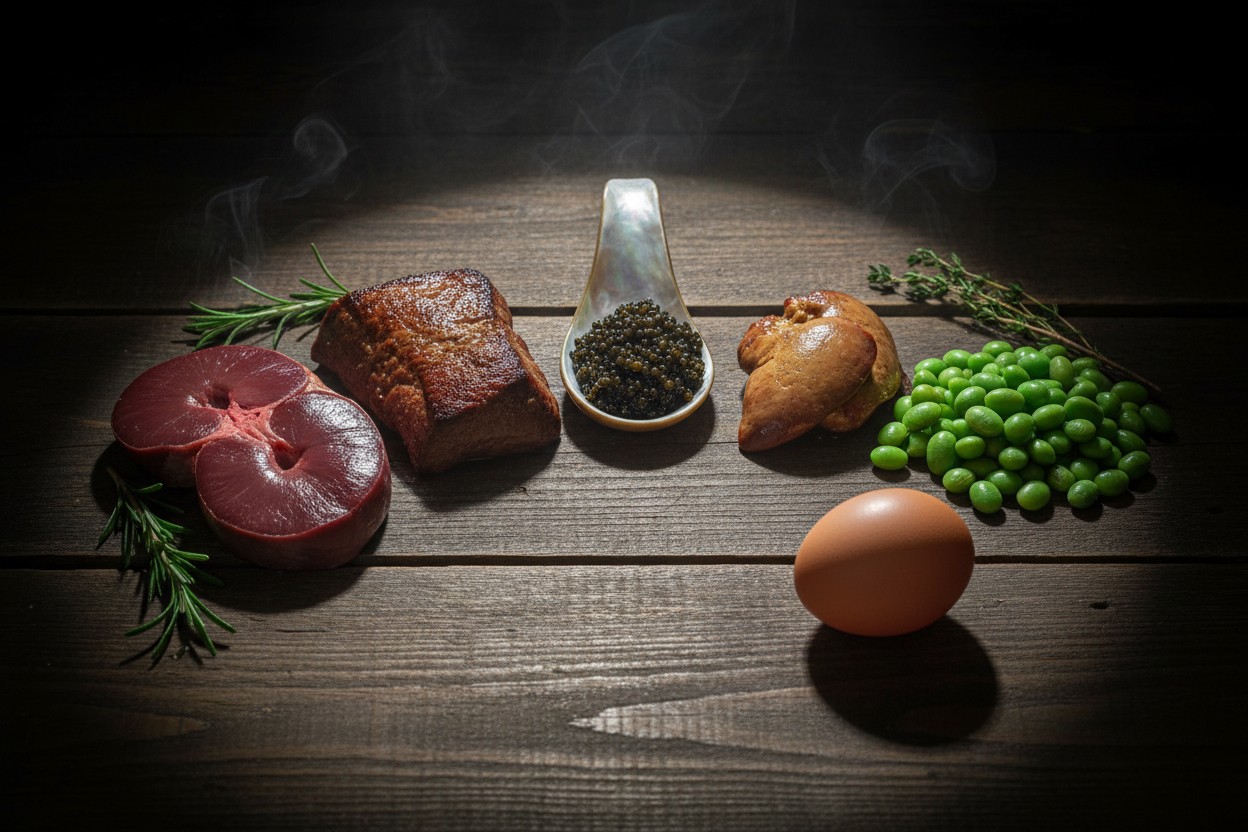
Beef Kidney
Beef kidney is among the most concentrated dietary sources of choline. A 3-ounce serving of cooked beef kidney contains approximately 436 mg of choline, which covers about 79% of the daily value, according to USDA nutrient data cited by nutrition researchers. This amount is nearly three times the choline found in a single large egg [8]. In addition to its choline content, beef kidney provides about 27% of the daily iron requirement in a highly bioavailable form. Iron is a mineral listed among priority nutrients for healthy aging, as a recent study identified iron shortfalls in American diets [4]. Preparation methods for beef kidney often involve soaking in milk or salted water to reduce its strong flavor, followed by sauteing or adding to stews, according to culinary guides.Beef Liver
Beef liver is another organ meat that delivers substantial choline [8]. A 3-ounce serving of cooked beef liver contains approximately 356 mg of choline, or 65% of the daily value, per USDA data. Choline is crucial for liver health, as a deficiency may contribute to liver damage, according to Mercola.com [5]. Beef liver is also exceptionally rich in vitamin A, providing 8,020 micrograms per serving, which is 891% of the daily value. Lisa Mosconi, Ph.D., author of "Brain Food," notes that vitamin A has antioxidant functions that protect brain cells and tissues from harmful effects [6]. Beef liver is also high in vitamin A, B12, folate, iron, and zinc. Caution is advised to avoid overconsumption of vitamin A. Common preparations include sauteing with onions, blending into pate, or mixing with ground beef for burgers and chili.Caviar
Caviar, or fish roe, provides a notable amount of choline in a small serving. Two tablespoons of caviar contain approximately 157 mg of choline, or 28.5% of the daily value, according to USDA figures. This amount exceeds the choline in a single egg by about 10 milligrams [8]. Caviar is also a source of omega-3 fatty acids EPA (eicosapentaenoic acid) and DHA (docosahexaenoic acid). It is also exceptionally high in vitamin B12. Lisa Mosconi, Ph.D., identifies choline as a water-soluble vitamin that is essential for brain function, noting that such vitamins facilitate the action of neurotransmitters [6]. Serving suggestions include spreading caviar on crackers or blinis, or adding it to cheese and snack plates.Chicken Liver
Chicken liver offers a milder flavor than beef liver while still providing high choline levels. A 3-ounce serving of cooked chicken liver contains approximately 246 mg of choline, or 44.7% of the daily value, per USDA data. This serving also delivers 20.8 grams of protein, along with vitamin B12, vitamin A, iron, and folate. Chicken liver can be prepared by sauteing, pan-frying, or baking, and it can be added to salads, stir-fries, and grain dishes. The nutrient density of chicken liver makes it a practical option for those seeking to increase choline intake. A recent study linked higher choline intake to slower cognitive decline in older adults, with participants showing less decline in attention and improvements in language scores [7].Soybeans
Soybeans are the only plant-based food on this list and provide a significant amount of choline. One cup of cooked soybeans contains approximately 214 mg of choline, or 38.9% of the daily value, according to USDA data. Soybeans also supply 22.3 grams of protein and 7.5 grams of fiber per cup, making them a nutrient-dense option for those following plant-based diets. Choline is required daily in the diet because it is a water-soluble nutrient, as explained by Dr. Lisa Mosconi [6]. Soybeans can be steamed and seasoned with sea salt or added to salads, stir-fries, and grain bowls. Their choline content, combined with protein and fiber, supports both cognitive and metabolic health.Conclusion
Beef kidney, beef liver, caviar, chicken liver and soybeans provide choline levels that meet or exceed those of a single large egg. Incorporating a variety of these foods can help individuals reach daily choline targets, especially for those seeking animal or plant-based options. The Dietary Guidelines Advisory Committee report highlighted that choline deficiency is common and that increasing intake from these sources may help address this gap [2]. Eggs remain a convenient source of choline, but these alternatives provide additional nutrients such as iron, vitamin A, omega-3 fatty acids, and fiber. As research continues to link choline to cognitive health and liver function, including these foods in the diet may support long-term well-being [7].References
- Mercola.com. "New Study Links Many Popular OTC Meds With Al". August 01, 2019.
- Mercola.com. "You Are Likely Deficient in Choline". August 24, 2020.
- Mercola.com. "Superfoods That Give You the Most Bang for Yo". March 20, 2017.
- NaturalNews.com. "Study Identifies 10 Priority Nutrients for Healthy Aging, Details Intake Gaps". May 14, 2026.
- Mercola.com. "Choline Is Crucial for Liver Health". November 19, 2018.
- Lisa Mosconi PhD. "Brain Food The Surprising Science of Eating for Cognitive Power".
- NaturalNews.com. "Study Links Choline and Betaine Intake to Slower Cognitive Decline in Older Adults". May 03, 2026.
- Health.com. "5 Foods With More Choline Than Eggs". June 26, 2026.
Explainer Infographic

Mediterranean Diet Retains Top Ranking; New Review Explains Mechanisms
By Coco Somers // Share
New manganese compound discovered deep within Earth could solve long-standing seismic mysteries
By Jacob Thomas // Share
Review Identifies 16 Medicinal Plants With Potential Antidiabetic Effects
By Coco Somers // Share

Five Minutes of Prayer Linked to Lower Anxiety and Pain in Study
By Petra Stone // Share

GLP-1 Use Reaches Record High as Access Broadens, New Data Shows
By Morgan S. Verity // Share
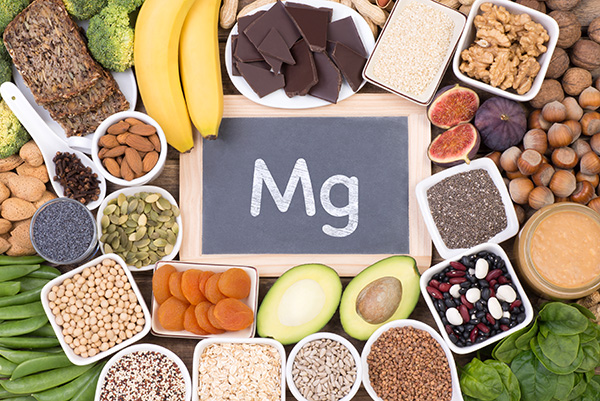
Magnesium: The sleep mineral science says most Americans are missing
By Willow Tohi // Share
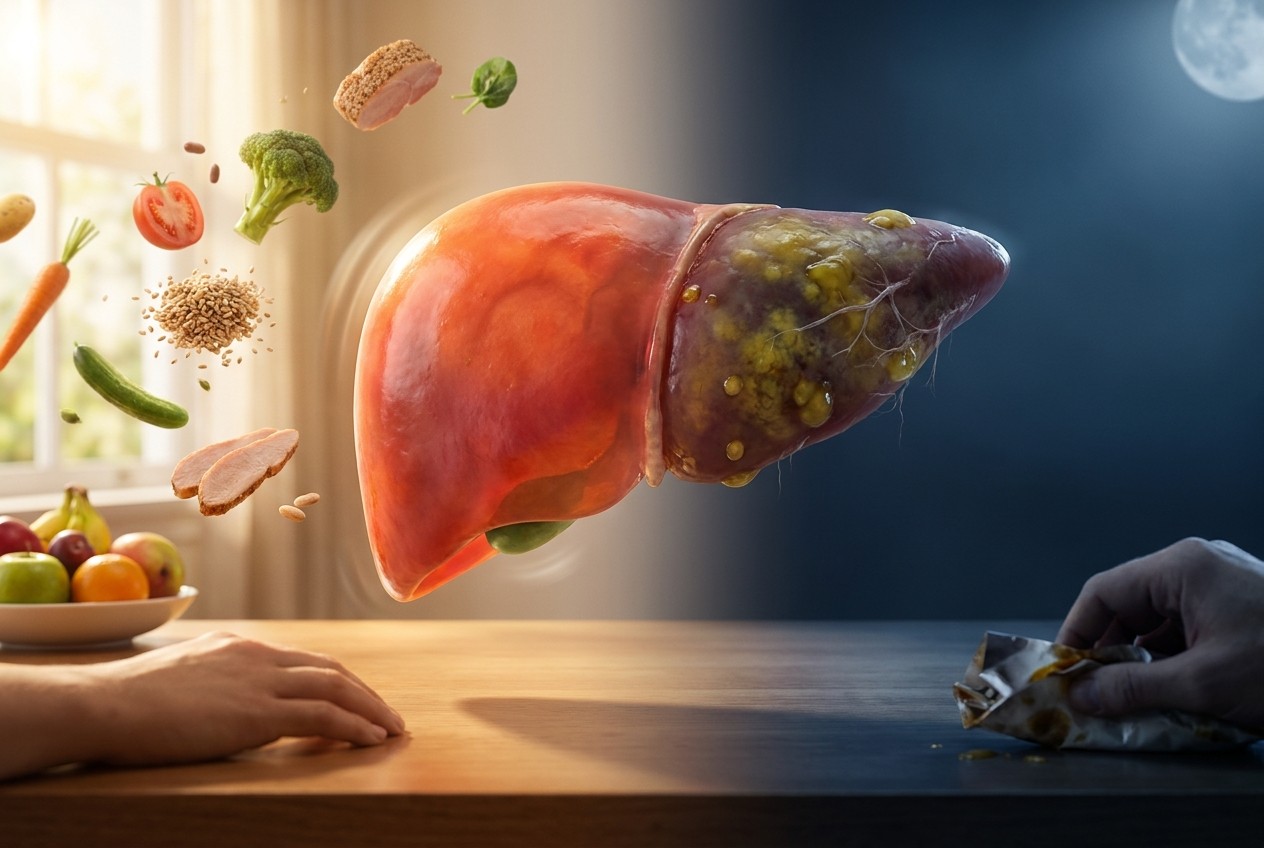
Study: Late-Night Eating Linked to Higher Risk of Fatty Liver Disease and Cirrhosis
By cocosomers // Share
The sweet scent of health: Exploring the benefits of sweet orange essential oil
By lauraharris // Share
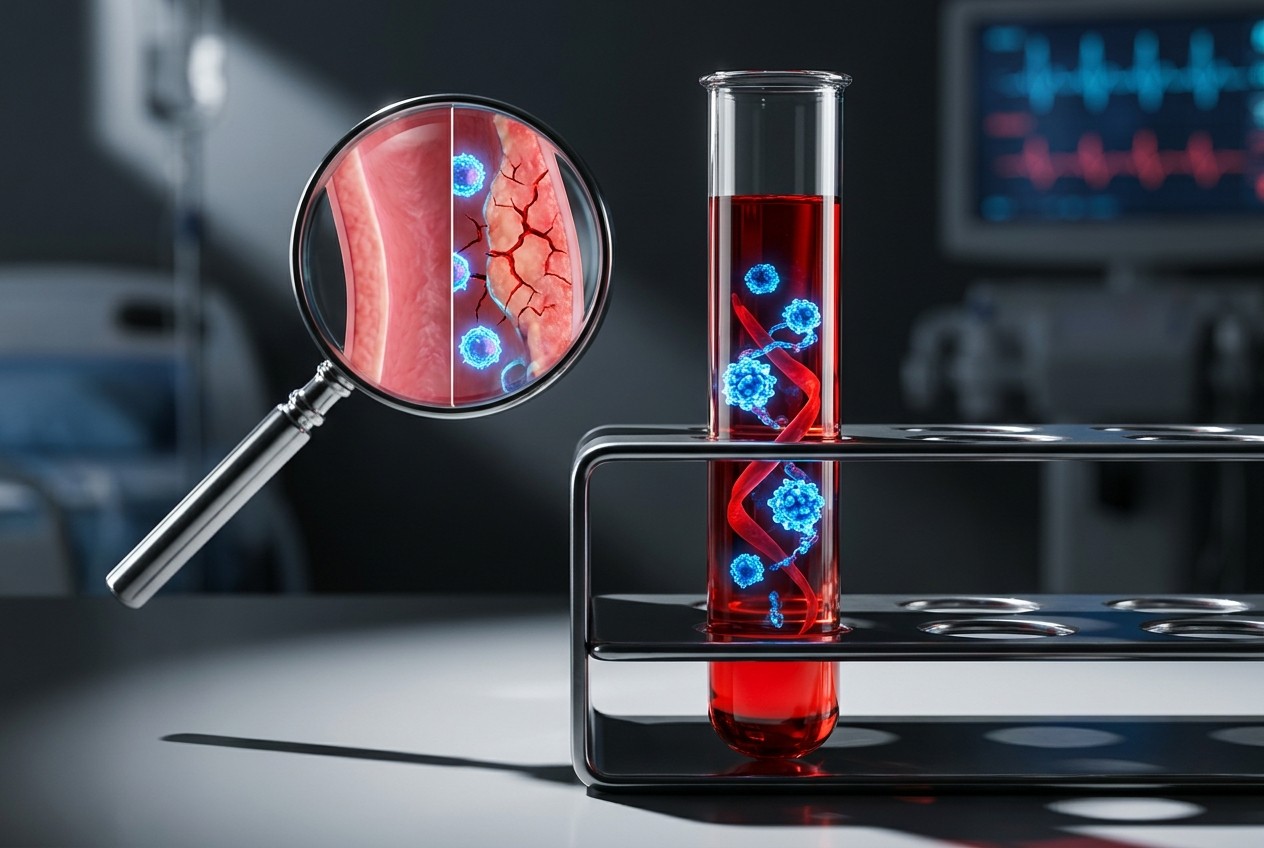
Cholesterol Test May Miss Inflammation-Linked Heart Risks, Study Finds
By chasecodewell // Share

JD Vance Says U.S. Has "Decisively Won" Iran War in Some Ways as Midterms Near
By garrisonvance // Share

Trump Approval Rating Falls to Record Low; Republican Candidates Adjust Midterm Campaigns
By douglasharrington // Share

Lawmakers want an AI pause but can’t say what they’d actually pause
By isabelle // Share