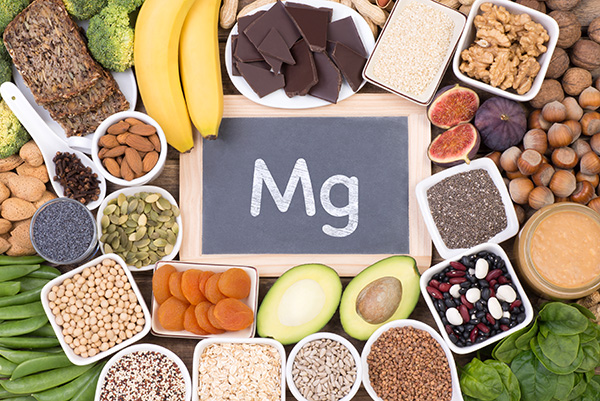
- Magnesium is involved in over 300 biochemical reactions crucial for sleep, brain function and muscle relaxation.
- Low magnesium levels are linked to poor sleep, anxiety, chronic diseases including Alzheimer's and hypertension.
- Magnesium glycinate shows greatest effectiveness for sleep support due to its high bioavailability and calming glycine content.
- The mineral works by calming the nervous system, supporting GABA activity and regulating sleep hormones like melatonin.
- Pairing magnesium with tart cherry may provide complementary benefits for sleep quality and recovery.
The problem: Tired body, racing mind
A growing body of research reveals a simple mineral deficiency may explain why millions of Americans lie physically exhausted but mentally wide awake at night. Magnesium, the fourth most abundant mineral in the human body, plays an essential role in helping the brain transition from alert mode to restful sleep. Yet dietary surveys suggest many adults fail to meet recommended intake levels for this critical nutrient. The "tired but wired" phenomenon, particularly common during periods of high stress, occurs when the nervous system remains stuck in alert mode even when the body craves rest. Magnesium supplementation, specifically in the form of magnesium bisglycinate, offers a scientifically supported solution that works with the body's natural relaxation mechanisms rather than forcing drowsiness through pharmaceutical means.The science: How magnesium calms an overactive nervous system
Magnesium serves as a cofactor for more than 300 enzymatic reactions throughout the body, including processes directly governing nervous system function. Research shows magnesium supports healthy activity of gamma-aminobutyric acid, or GABA, a neurotransmitter that calms the brain and prepares the body for sleep. The mineral also helps regulate cortisol, the primary stress hormone, making it easier for the brain to shift from an alert state into relaxation. Magnesium is required for DNA and RNA synthesis, reproduction and protein synthesis, and is essential for regulation of muscular contraction, blood pressure, insulin metabolism, cardiac excitability and nerve transmission. Imbalances in magnesium status—primarily hypomagnesemia, as it is more common than hypermagnesemia—can result in unwanted neuromuscular, cardiac, or nervous disorders.Historical context: Why this matters now
The connection between magnesium and health is not new, but its relevance has grown dramatically in recent decades. Agricultural practices have depleted magnesium from soil, reducing the mineral content of vegetables and grains. Meanwhile, modern diets high in processed foods provide less magnesium than ancestral eating patterns. Chronic stress, common in contemporary life, further depletes magnesium stores. Low levels of magnesium have been associated with a number of chronic diseases, including Alzheimer's disease, insulin resistance and type 2 diabetes mellitus, hypertension, cardiovascular disease, migraine headaches and attention deficit hyperactivity disorder. The recognition that magnesium deficiency may contribute to both sleep disruption and chronic disease has fueled renewed interest in supplementation as a preventive health strategy.Choosing the right form: Why glycinate wins for sleep
Not all magnesium supplements work equally for sleep support. Magnesium glycinate, also called magnesium bisglycinate, is bound to the amino acid glycine, which has additional calming properties. This form is highly bioavailable and gentle on the stomach, making it suitable for evening use. Research identifies several forms of magnesium with different applications:- Magnesium Glycinate – Most recommended for sleep and stress support
- Magnesium Threonate – Supports brain health and memory
- Magnesium Citrate – Supports digestion but may cause loose stools in some users
- Magnesium Malate – Supports energy production and muscle recovery
Beyond sleep: The full-body benefits
The benefits of adequate magnesium extend well beyond the bedroom. The mineral helps prevent nighttime leg cramps, relaxes tight muscles and supports nerve signals for proper muscle function. For cardiovascular health, magnesium helps control blood pressure, supports healthy heart rhythm and improves blood vessel relaxation. Metabolically, magnesium helps regulate blood sugar, supports energy production and may reduce inflammation. Sleep quality itself improves through multiple mechanisms: magnesium helps the body produce and regulate melatonin, supports a consistent sleep schedule, reduces nighttime waking and improves both deep and REM sleep stages. Unlike sleep medications, magnesium supports the body's natural relaxation processes without causing next-day grogginess.The bottom line
For individuals who find themselves physically exhausted but mentally wide awake at night, addressing magnesium status offers a science-backed approach to better sleep. The mineral helps calm the nervous system, supports sleep-regulating hormones and promotes muscle relaxation—all essential components of restful sleep. Given the prevalence of magnesium deficiency and its links to chronic disease, ensuring adequate intake represents both an immediate sleep solution and a long-term health investment. The evidence suggests that before reaching for sleep medications, Americans should first consider whether their bodies simply need the relaxation mineral most diets fail to provide. Sources for this article include: MindBodyGreen.com PubMed.com GradyHealth.org
Nutrition Tips to Fall Asleep Faster: Evidence and Expert Advice
By Coco Somers // Share

Vitamin K Found to Regulate Bone Remodeling Process, Study Says
By Coco Somers // Share


Study: Microplastics in Blood Linked to Severe Heart Attacks
By Morgan S. Verity // Share

Lymphatic System Dysfunction Linked to Chronic Disease, Researchers Report
By Coco Somers // Share

The hidden power of prebiotics: Why your gut’s unsung heroes deserve a spotlight
By Patrick Lewis // Share



AI Pioneers Call for International Containment Body and Airgapping of Advanced Models
By chasecodewell // Share

Advanced Nuclear Fuel Strategy Weighed as Customers Seek Cost and Delivery Certainty
By edisonreed // Share

The Board of Peace or the Board of Power? How Israel's Veto Dooms Gaza's "Stabilization"
By garrisonvance // Share

Study: Late-Night Eating Linked to Higher Risk of Fatty Liver Disease and Cirrhosis
By cocosomers // Share