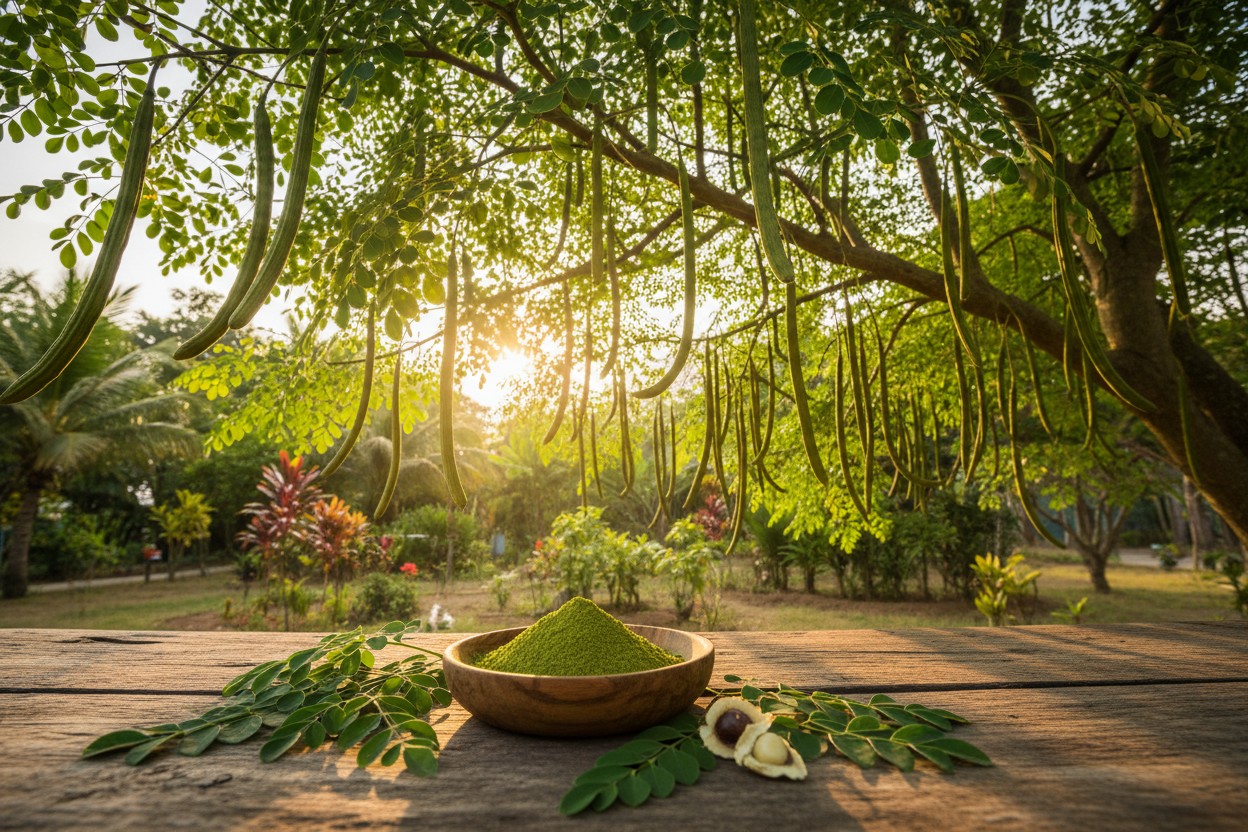
Traditional Use and Nutritional Profile
In Ayurveda, moringa is employed for various health conditions, including inflammation and infections, according to traditional texts [7]. The tree is a common sight in Indian backyards, and its leaves have been used as part of traditional medicine for centuries; the Ayurvedic system associates it with the cure or prevention of about 300 diseases [2]. Nutritional analyses cited in reports indicate that moringa leaves contain high levels of vitamins A, C, and E, as well as calcium and potassium [2]. Dried leaf powder provides essential amino acids and is considered a valuable protein source [1][5]. The edible seeds contain a high amount of oleic acid, a beneficial fatty acid also found in olive oil, according to NaturalNews.com [5].Reported Health Benefits and Scientific Evidence
Laboratory studies have identified anti-inflammatory and antioxidant compounds in moringa, according to scientific reports [12]. Research also shows that moringa contains glucosinolates, sulfur-containing phytochemicals with antibiotic effects, according to a May 2018 report published in Scientific Reports cited by Mercola.com [3]. Some research suggests neuroprotective properties that may support brain health, researchers said. Animal studies have indicated immune-modulating effects, though human clinical trials remain limited, experts noted. The plant is also being investigated for potential effects on blood sugar levels [10] and weight loss [6]. Traditional practitioners quoted in reports described the plant as beneficial for a range of ailments. Sourcing of clean moringa has been a focus for suppliers; for example, the Health Ranger Store conducts thorough testing for heavy metals and other contaminants [9][13].Conclusion
Moringa continues to be the subject of scientific investigation for potential therapeutic applications, reports state [5]. More rigorous clinical trials are needed to validate many traditional claims, according to researchers. The plant remains a dietary staple in its native regions and is increasingly available in Western markets in forms such as teas and supplements [4]. However, a 2026 salmonella outbreak linked to a moringa supplement led to a recall, highlighting the need for quality control, according to investigations by the Centers for Disease Control and Prevention and the Food and Drug Administration. [11].References
- Mercola.com. "Seven Reasons You Should Drink Moringa Tea". Mercola.com. May 08, 2021.
- Mercola.com. "The Many Uses of the Mighty Moringa Tree". Mercola.com. August 24, 2015.
- Mercola.com. "Green Superfood Has Antibiotic Effects Lower". Mercola.com. December 17, 2021.
- Mercola.com. "Drink Your Way to Good Health With Moringa Te". Mercola.com. October 13, 2018.
- NaturalNews.com. "Why moringa deserves to be included in your daily diet". NaturalNews.com. March 13, 2024.
- Stephanie Diaz. "Moringa could be the next thing in weight loss". NaturalNews.com. July 29, 2019.
- Khalsa Karta Purkh Singh. "The way of ayurvedic herbs the most complete guide to natural healing and health with traditional ayurvedic".
- Ch. Murli Manohar. "Ayurveda for All".
- Mike Adams interview with Jim Gale. May 11, 2023.
- NaturalNews.com. "The moringa effect: What this superfood does to your blood sugar". NaturalNews.com. March 31, 2026.
- NaturalNews.com. "Multi-state salmonella outbreak sparks major supplement recall". NaturalNews.com. February 08, 2026.
- Elsevier. "Effect of season and production location on antioxidant activity of Moringa oleifera leaves grown in Pakistan". Journal of Food Composition and Analysis 19 (2006).
- Mike Adams. "Health Ranger Report - Moringa superfood". Brighteon.com.
Explainer Infographic

Study: Physical Activity Linked to Changes in Gut Motility, Improved Bowel Habits
By Morgan S. Verity // Share
UCLA Study Finds Creatine May Enhance Immune Response Against Cancer
By Morgan S. Verity // Share

Study: Yoga, Omega-3 Supplements as Effective as Therapy for Depression in Pregnancy
By Iva Greene // Share
Study Finds Multifloral Honey Protects Human Skin Cells from UV Damage
By Coco Somers // Share
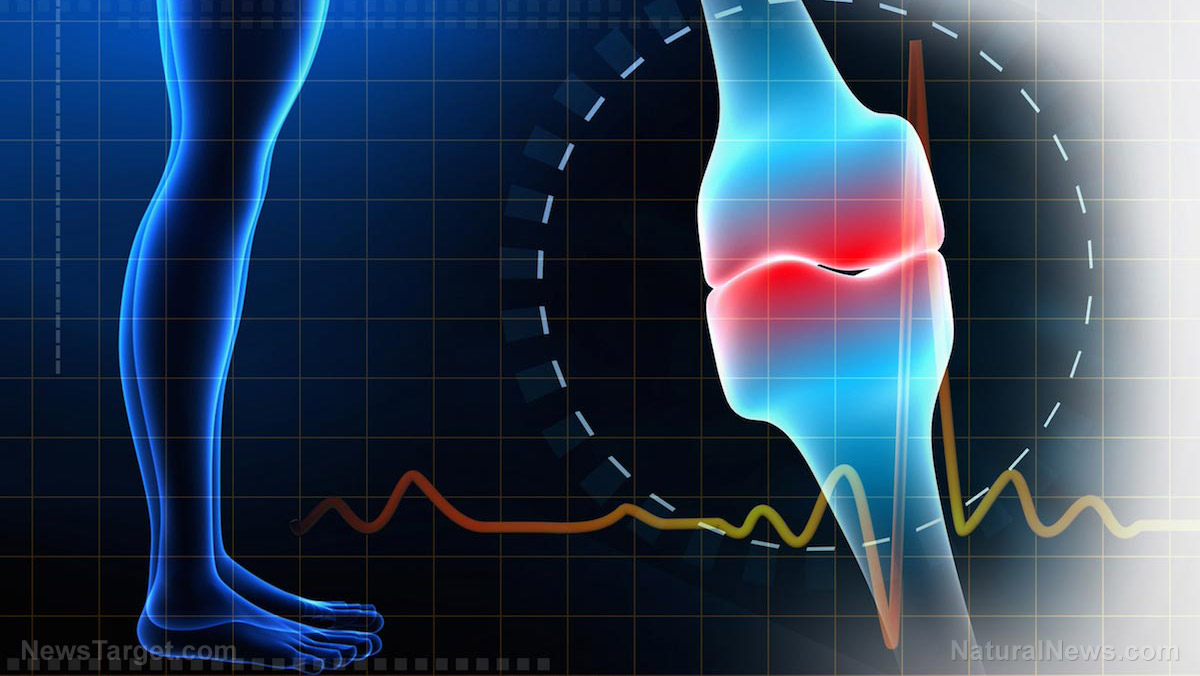
Sitting may sabotage your bones as much as skipping a workout, new study finds
By Ava Grace // Share
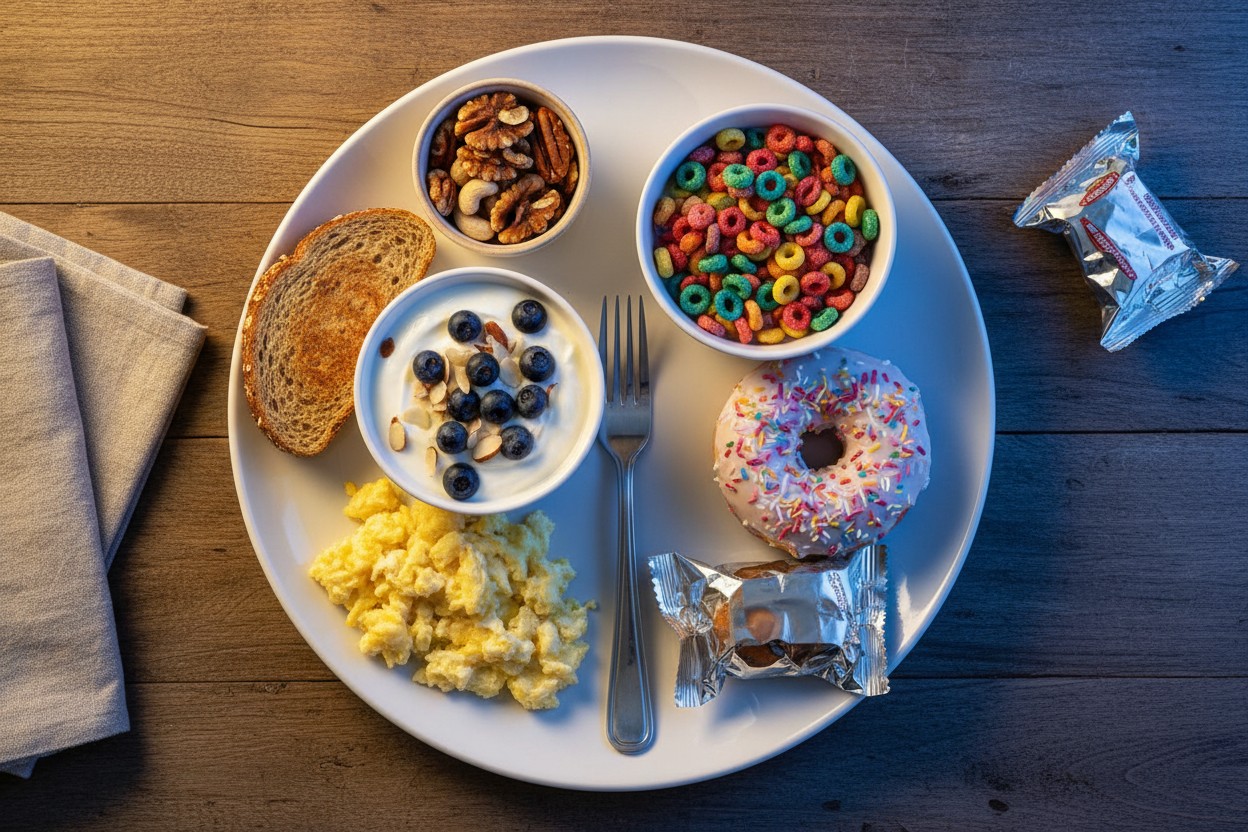
High-Protein Breakfasts and Cholesterol: Differing Views on Dietary Interventions
By Coco Somers // Share
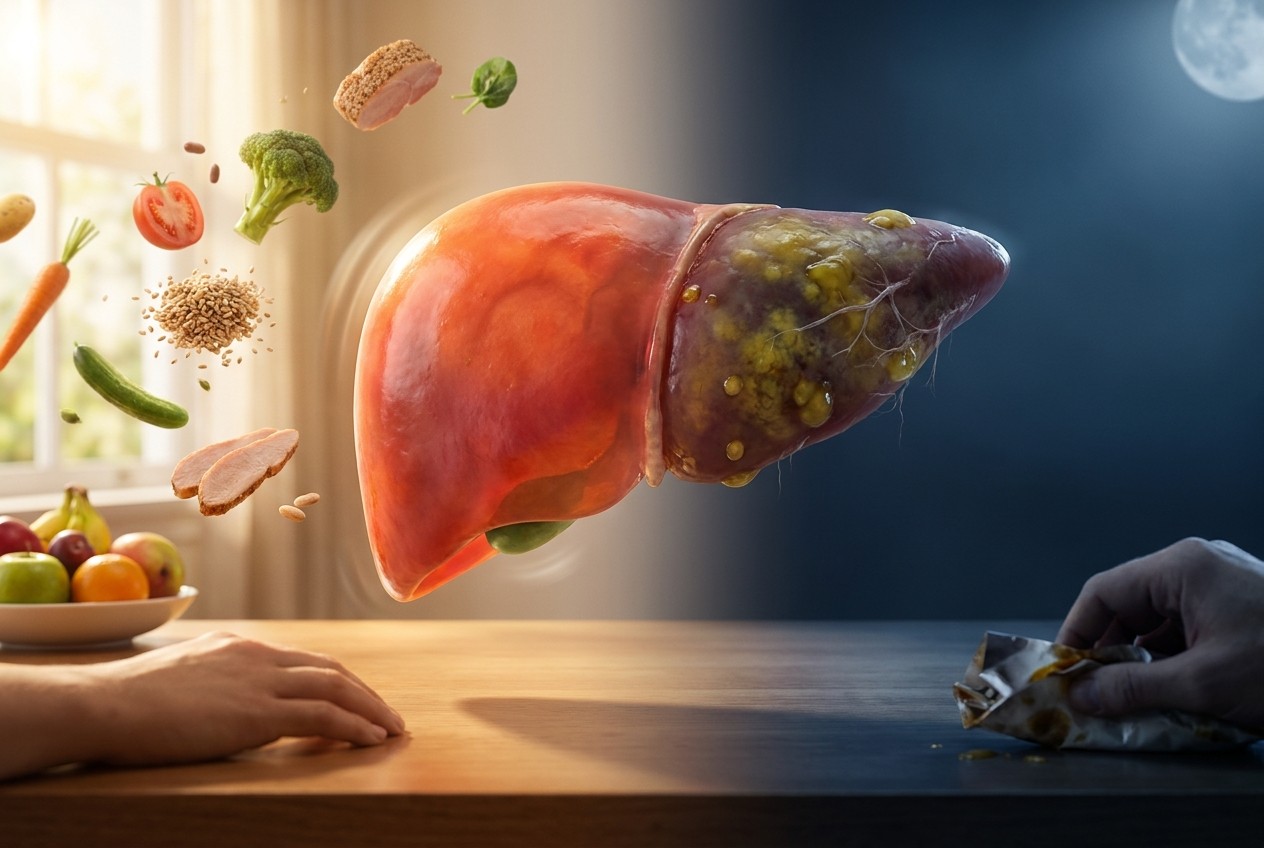
Study: Late-Night Eating Linked to Higher Risk of Fatty Liver Disease and Cirrhosis
By cocosomers // Share
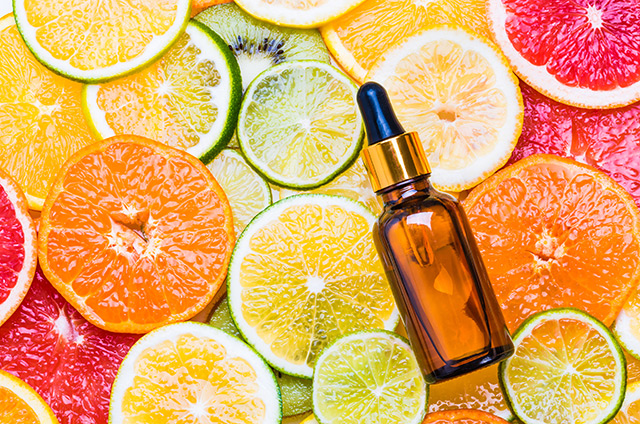
The sweet scent of health: Exploring the benefits of sweet orange essential oil
By lauraharris // Share
Cholesterol Test May Miss Inflammation-Linked Heart Risks, Study Finds
By chasecodewell // Share

JD Vance Says U.S. Has "Decisively Won" Iran War in Some Ways as Midterms Near
By garrisonvance // Share

Trump Approval Rating Falls to Record Low; Republican Candidates Adjust Midterm Campaigns
By douglasharrington // Share

Lawmakers want an AI pause but can’t say what they’d actually pause
By isabelle // Share