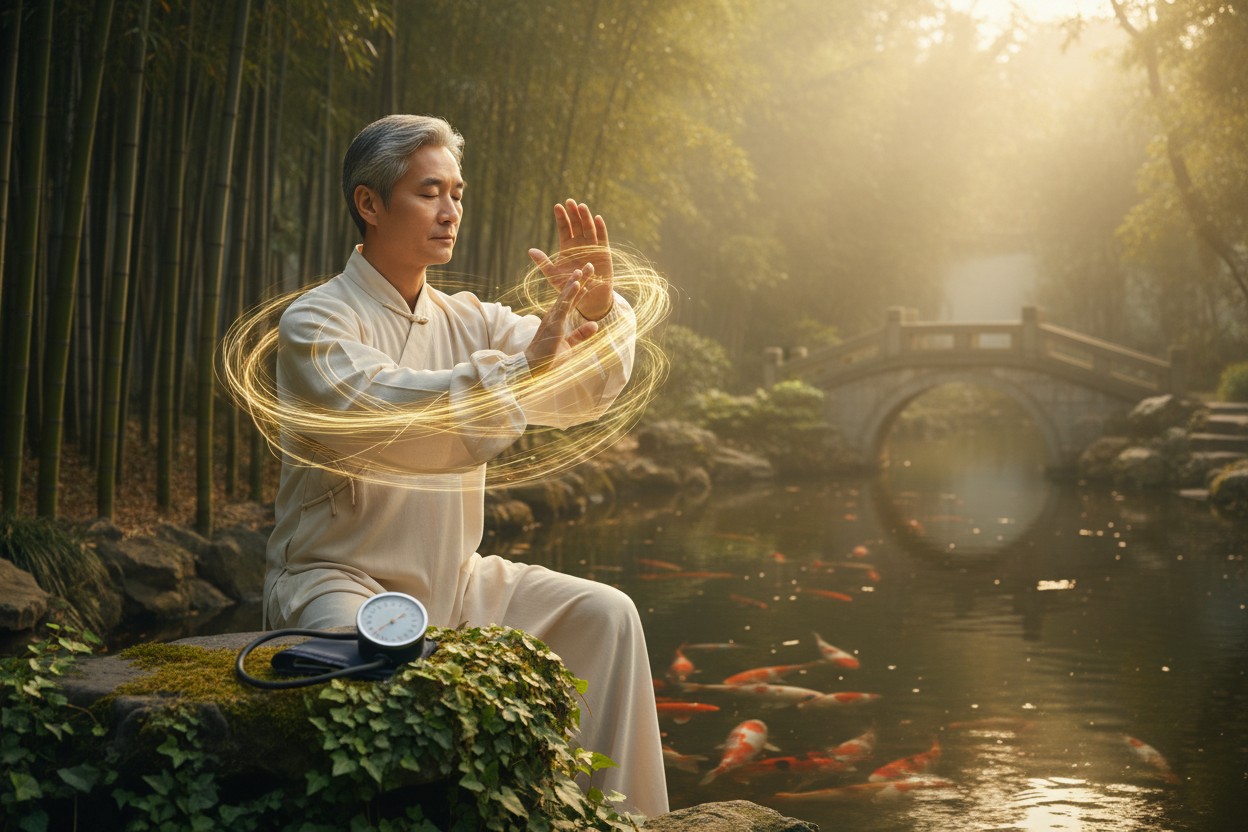
Background on the Patient Case and Treatment Approach
Hu said the patient had been under conventional care for years, with blood pressure that remained stubbornly high despite medication. The readings fluctuated, causing the patient constant worry. Hu told the Epoch Times that he aimed to treat the underlying cause rather than simply lower the numbers pharmacologically. TCM approaches hypertension as a condition rooted in systemic imbalance. According to “Chinese Medical Qigong Therapy,” TCM places hypertension in categories such as Liver Qi Stagnation and Liver Fire [4]. Hu's treatment focused on releasing the accumulated emotional stress that he identified as the primary driver of the patient's hypertension. He did not describe the specific herbs or acupuncture points used in this case.Everyday Habits Recommended by Dr. Hu
Hu outlined several daily habits he recommends for lowering blood pressure naturally. Stress reduction techniques such as mindfulness, breathing exercises and meditation were emphasized. These practices align with findings from a review of mind-body interventions, which reported that traditional exercises like baduanjin can significantly lower blood pressure [3]. Hu also encouraged dietary adjustments consistent with TCM principles, including avoiding excessive salty and fatty foods and incorporating certain herbs. Moderate physical activity, such as tai chi, was recommended. A comprehensive review of health benefits of qigong and tai chi notes that these exercises have been practiced for thousands of years and are associated with improved cardiovascular outcomes [2]. Hu also stressed the importance of a consistent sleep schedule. According to an interview with functional medicine practitioner Dr. Basima Williams, TCM emphasizes the importance of sleep, eating and proper elimination for optimal health [5].Expert Perspectives on TCM and Hypertension Management
Hu acknowledged that his approach differs from Western medicine, which typically focuses on pharmacological intervention. Many pharmaceuticals used for hypertension work by weakening heart muscle tissue or altering nerve function, according to a broadcast discussion on pharmaceutical mechanisms [7]. Hu's TCM-based method instead aims to correct underlying imbalances. No independent verification or peer-reviewed data supporting Hu;s specific claims were provided in the article. The report did not include commentary from other medical professionals or organizations such as the American Heart Association. However, broader research supports the role of lifestyle factors in blood pressure control. A large international study found that high blood pressure was present in more than 93% of people before a cardiovascular event, indicating that underlying risk factors – including stress – are often present long before a crisis [6].Conclusion
Hu stated that emotional stress is an often-overlooked factor in hypertension. He suggested that patients consult with qualified TCM practitioners before making changes to their treatment regimen. The article serves as a report on one practitioner’s clinical observations rather than a general medical recommendation. The case highlights a growing interest in non-pharmacological approaches to blood pressure management. While the evidence for TCM’s effectiveness in hypertension is still accumulating, practices such as acupuncture, tai chi and dietary modification are being studied for their potential benefits [1].References
- Willow Tohi. "Acupuncture and Ancient Wisdom Offer Natural Relief for Hypertension: A Modern Approach Rooted in Traditional Chinese Medicine". NaturalNews.com. May 1, 2025.
- Dr. Mercola. "A Comprehensive Review of Health Benefits of Qigong and Tai Chi". Mercola.com. July 14, 2017.
- Coco Somers. "Study Finds Mind-Body Practices Like Baduanjin and Yoga Lower Blood Pressure in Hypertension Patients". NaturalNews.com. April 5, 2026.
- Jerry Alan Johnson. "Chinese Medical Qigong Therapy Volume 4 Prescription Exercises and Meditations Treatment of Internal Diseases".
- Mike Adams interview with Basima Williams. January 25, 2023.
- "Huge Study Links 99% of Heart Attacks and Strokes with 4 Risk Factors". ActivistPost.com. March 25, 2026.
- "Brighteon Broadcast News - NUCLEAR Accident". Brighteon.com. August 19, 2024.
Explainer Infographic

Study Links Common Food Preservatives to Higher Cardiovascular Risk
By Coco Somers // Share
Ultraprocessed Grain Consumption Linked to Higher Inflammatory Bowel Disease Risk, Study Finds
By Coco Somers // Share
Study: Physical Activity Linked to Changes in Gut Motility, Improved Bowel Habits
By Morgan S. Verity // Share
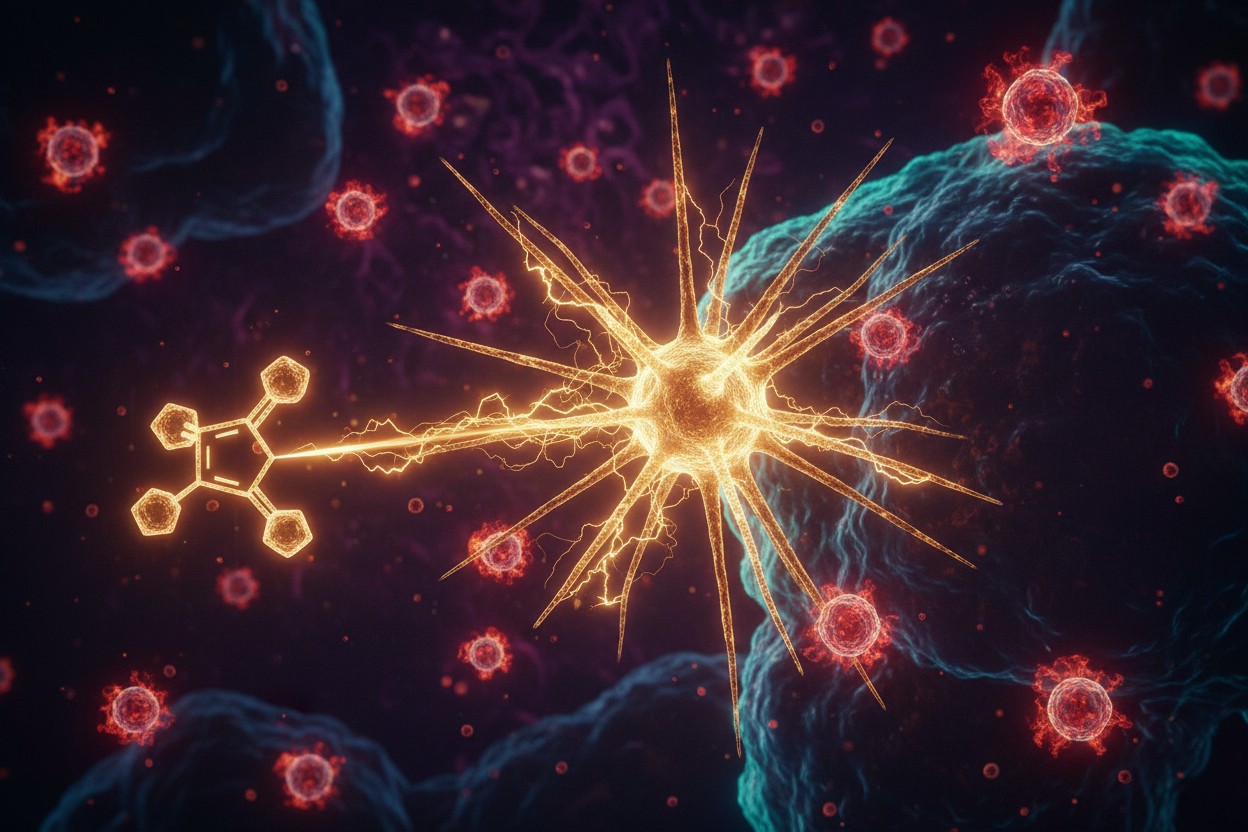
UCLA Study Finds Creatine May Enhance Immune Response Against Cancer
By Morgan S. Verity // Share

Study: Yoga, Omega-3 Supplements as Effective as Therapy for Depression in Pregnancy
By Iva Greene // Share

Study Finds Multifloral Honey Protects Human Skin Cells from UV Damage
By Coco Somers // Share
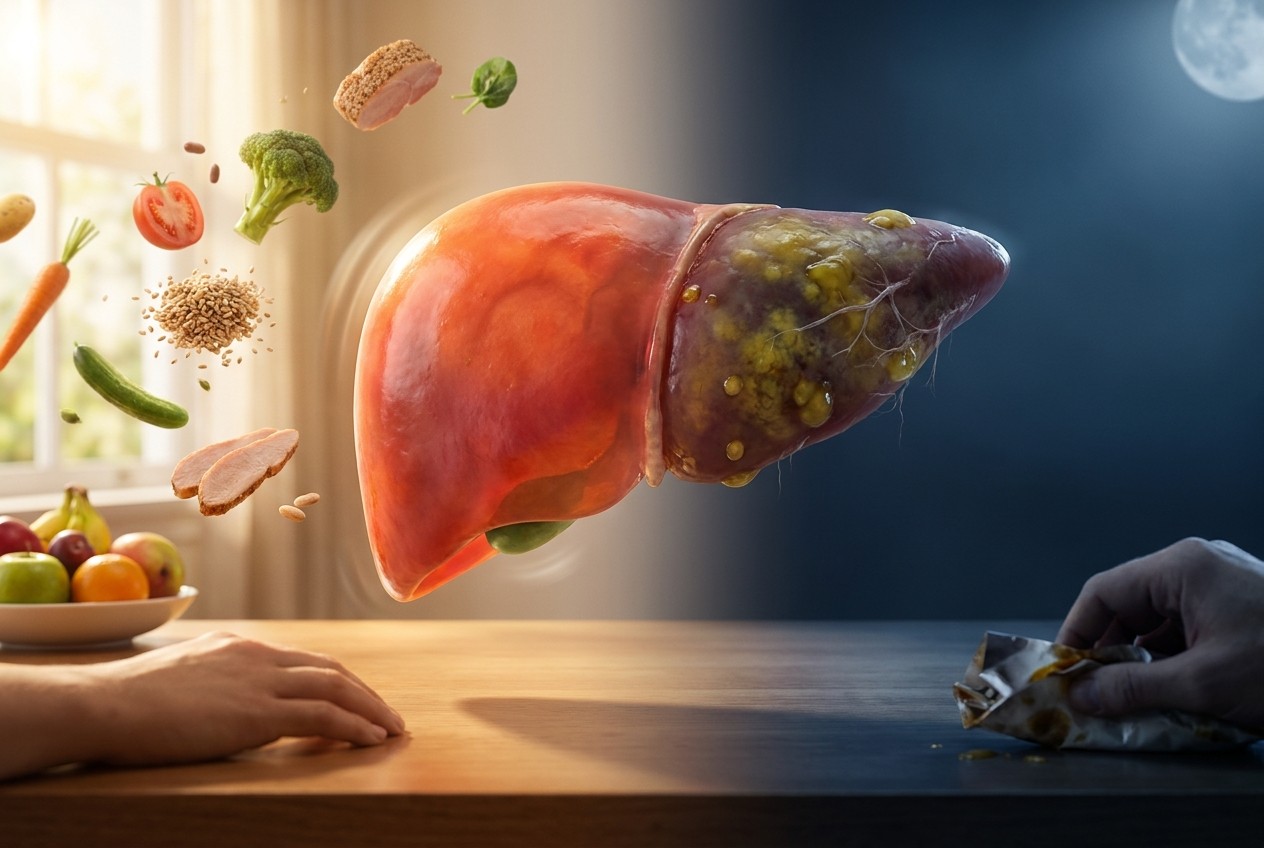
Study: Late-Night Eating Linked to Higher Risk of Fatty Liver Disease and Cirrhosis
By cocosomers // Share
The sweet scent of health: Exploring the benefits of sweet orange essential oil
By lauraharris // Share
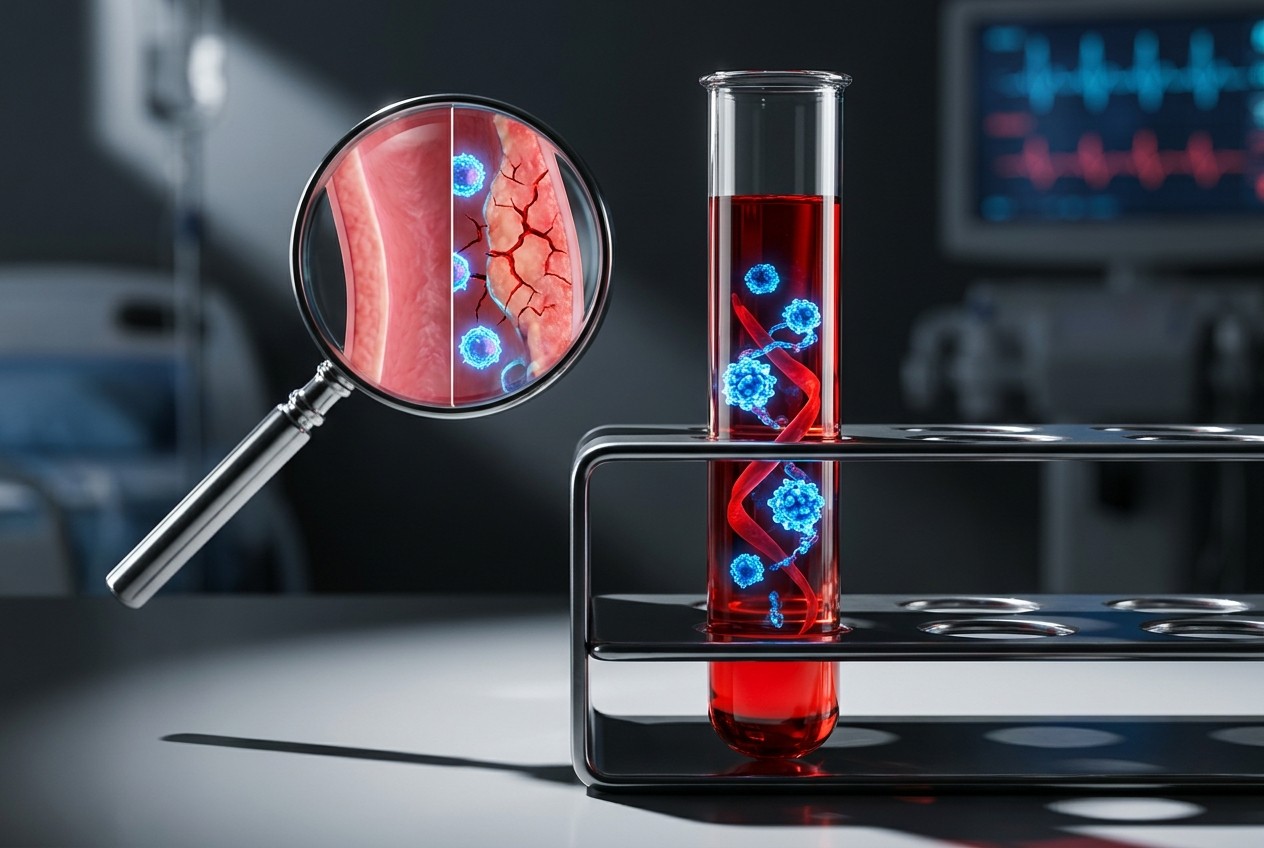
Cholesterol Test May Miss Inflammation-Linked Heart Risks, Study Finds
By chasecodewell // Share

JD Vance Says U.S. Has "Decisively Won" Iran War in Some Ways as Midterms Near
By garrisonvance // Share

Trump Approval Rating Falls to Record Low; Republican Candidates Adjust Midterm Campaigns
By douglasharrington // Share

Lawmakers want an AI pause but can’t say what they’d actually pause
By isabelle // Share