
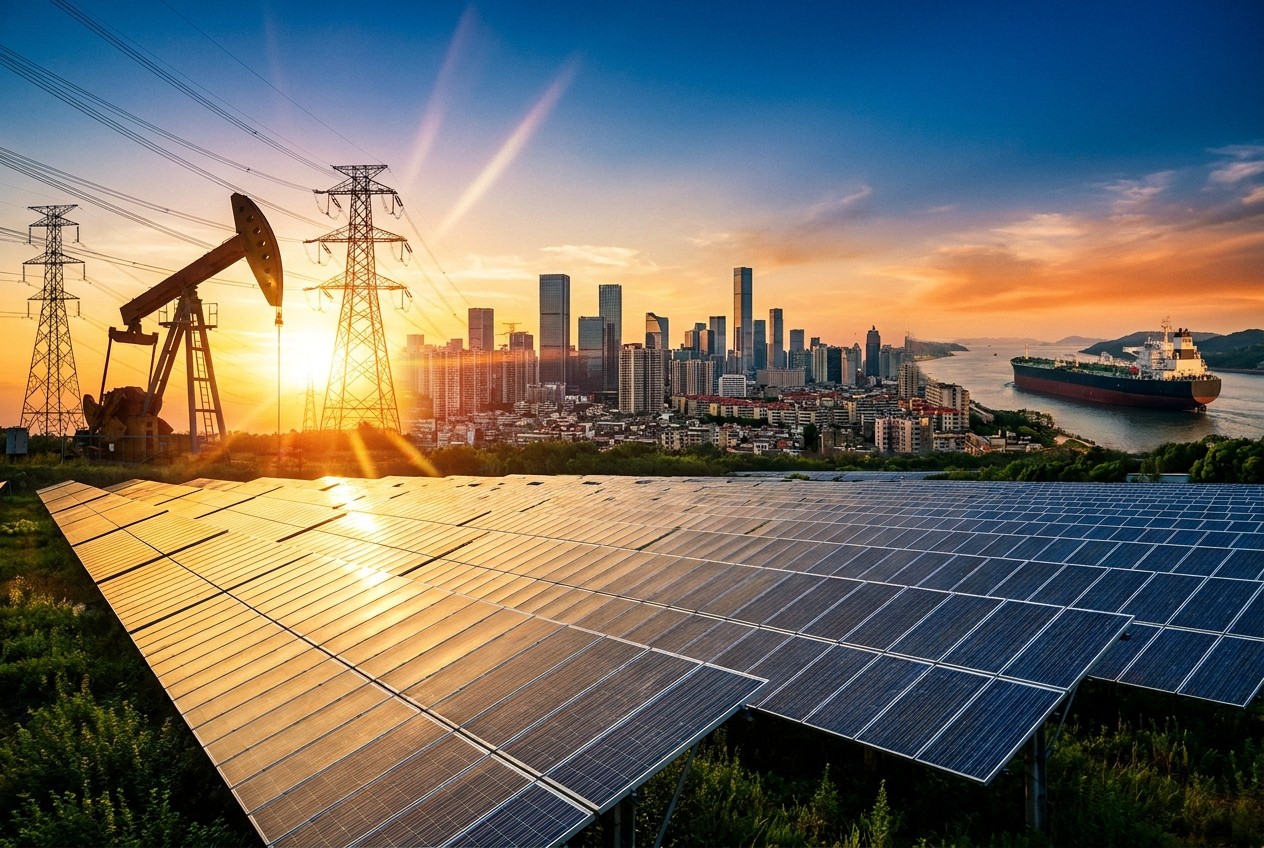
- Strait of Hormuz conflict exposed the failure of renewable energy as the global economy remains dependent on fossil fuels for 79 percent of energy consumption
- Levelized Cost of Energy metric misleadingly ignores the intermittency and hidden costs of solar and wind energy
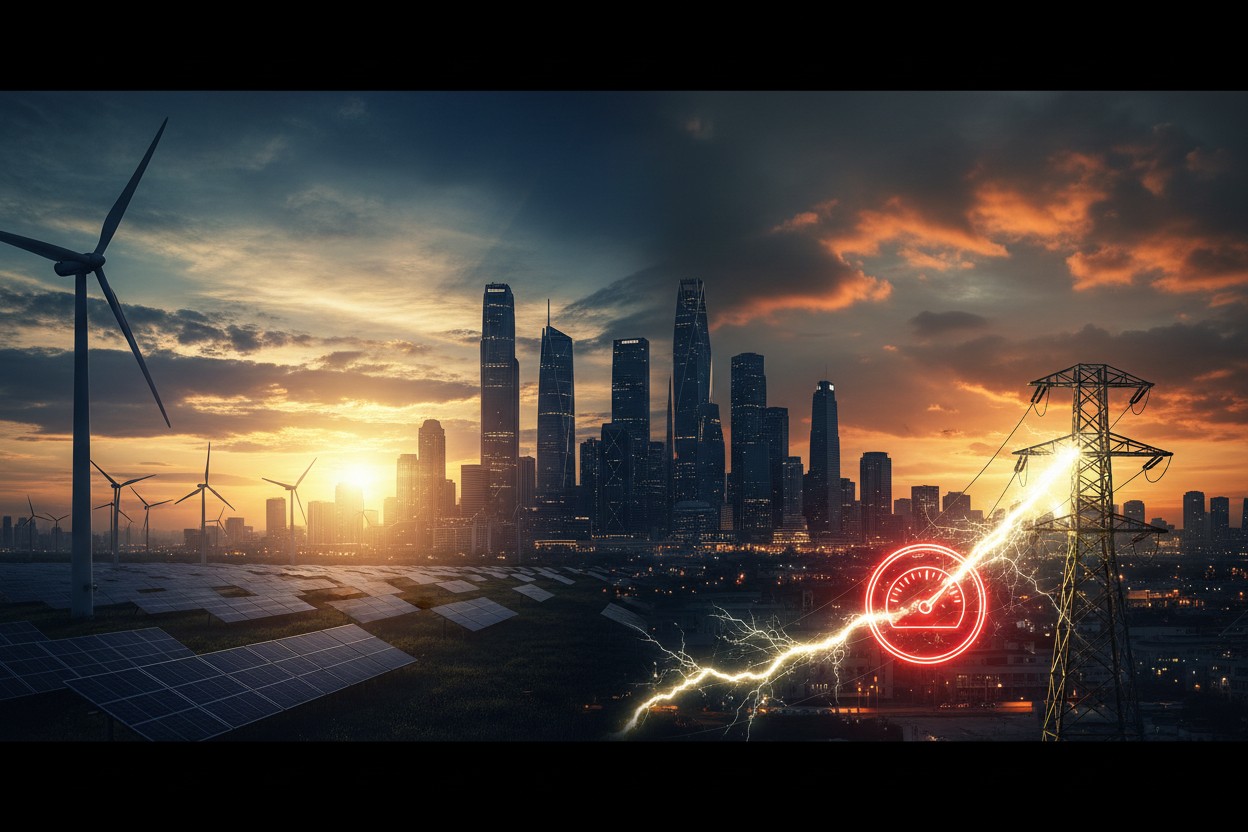
- Spain’s 2025 blackout, which has been linked to a solar-heavy grid lacking inertia, shows renewable reliability failures
- China controls over 80 percent of solar panel manufacturing and most critical mineral refining, creating a worse dependency than oil
- Voters are rejecting climate policies that raise energy bills without addressing real-world energy needs
Why LCOE figures mislead everyone
The claim that renewables are cheaper rests almost entirely on the Levelized Cost of Energy metric favored by the financial firm Lazard. But Lazard itself concedes the metric "does not consider the intermittent nature of selected renewable energy technologies or the related grid impacts of incremental renewable energy deployment." The economist Paul Joskow made a related point in 2011: measuring intermittent and dispatchable power by the same yardstick is misleading, because it hides when each source actually delivers and how much that power is worth at a given hour. The costs left out are real ones: standby plants for when the wind dies, second-by-second balancing, long lines to remote sites, payments for power the grid cannot use, and the subsidies propping up the whole enterprise.Spain's blackout and Queensland's stubborn reliance on coal
The American Prospect recently called Spain a solar success story. That looks unfortunate given April 28, 2025, when the Iberian Peninsula suffered a cascading failure that lost roughly 15 gigawatts and blacked out tens of millions. The ENTSO-E expert panel traced the collapse to a grid too light on inertia to steady itself — a weakness Doshi attributes to solar supplying close to 60 percent of generation when the system faltered. Conventional spinning generators lend the grid a flywheel effect that smooths sudden jolts in frequency. Solar inverters supply no such ballast. Queensland tells a similar story. Doshi cites the Queensland Audit Office's December 2025 report as finding coal still supplying about 63 percent of the state's electricity in 2024-25. The government's October 2025 Energy Roadmap says that "coal will operate to underpin affordable and reliable energy supply for as long as needed." By Doshi's account, retail power bills rose 34 percent from 2022 to 2025 even as renewable capacity grew.China controls the supply chain greens ignore
The argument that fossil fuels are geopolitically vulnerable while renewables offer security is perhaps the most dishonest. The IEA confirms China controls more than 80 percent of every manufacturing stage of solar panels. Beyond panels, Beijing dominates the refining of the critical minerals the transition depends on, leading production of 19 of the 20 that matter most and handling the overwhelming share of the world's rare earth, lithium, and cobalt processing. It has already choked off exports of gallium, germanium, antimony, and a slate of heavy rare earths to the United States. Against a diversified global oil market with many producers, the renewable supply chain is a far more concentrated dependency.Why voters grasp what the climate establishment won't
The lesson of Hormuz is that energy security is not just a story about the electricity grid. Yet every crisis brings the same script: more advocacy, more subsidies, more scolding. None of it changes the physics. No jetliner crosses the Atlantic on sunshine, and no one runs a blast furnace or cement kiln on wind at the scale industry demands. The moderate Democrats backing away from aggressive climate messaging may not be heroes, but they grasp what working families figured out at the pump long ago: an energy policy that sends bills soaring while ignoring how the economy is actually powered isn't a plan. It's a wish — and voters are done paying for it. Sources for this article include: WattsUpWithThat.com WattsUpWithThat.com WashingtonExaminer.com
Russia subverts sanctions by acquiring military technology in Japan
By Lance D Johnson // Share

NATO Summit in Ankara Launches Multiple Missile Production Programs Across Europe
By Chase Codewell // Share
By Lance D Johnson // Share
Ukraine Unlikely to Produce Patriot Missiles Despite Trump’s License Promise, Sources Say
By Garrison Vance // Share

U.S. CBDC Ban Enacted Without Trump’s Signature on Housing Bill
By Sterling Ashworth // Share


AI Pioneers Call for International Containment Body and Airgapping of Advanced Models
By chasecodewell // Share

Advanced Nuclear Fuel Strategy Weighed as Customers Seek Cost and Delivery Certainty
By edisonreed // Share
The Board of Peace or the Board of Power? How Israel's Veto Dooms Gaza's "Stabilization"
By garrisonvance // Share

Study: Late-Night Eating Linked to Higher Risk of Fatty Liver Disease and Cirrhosis
By cocosomers // Share