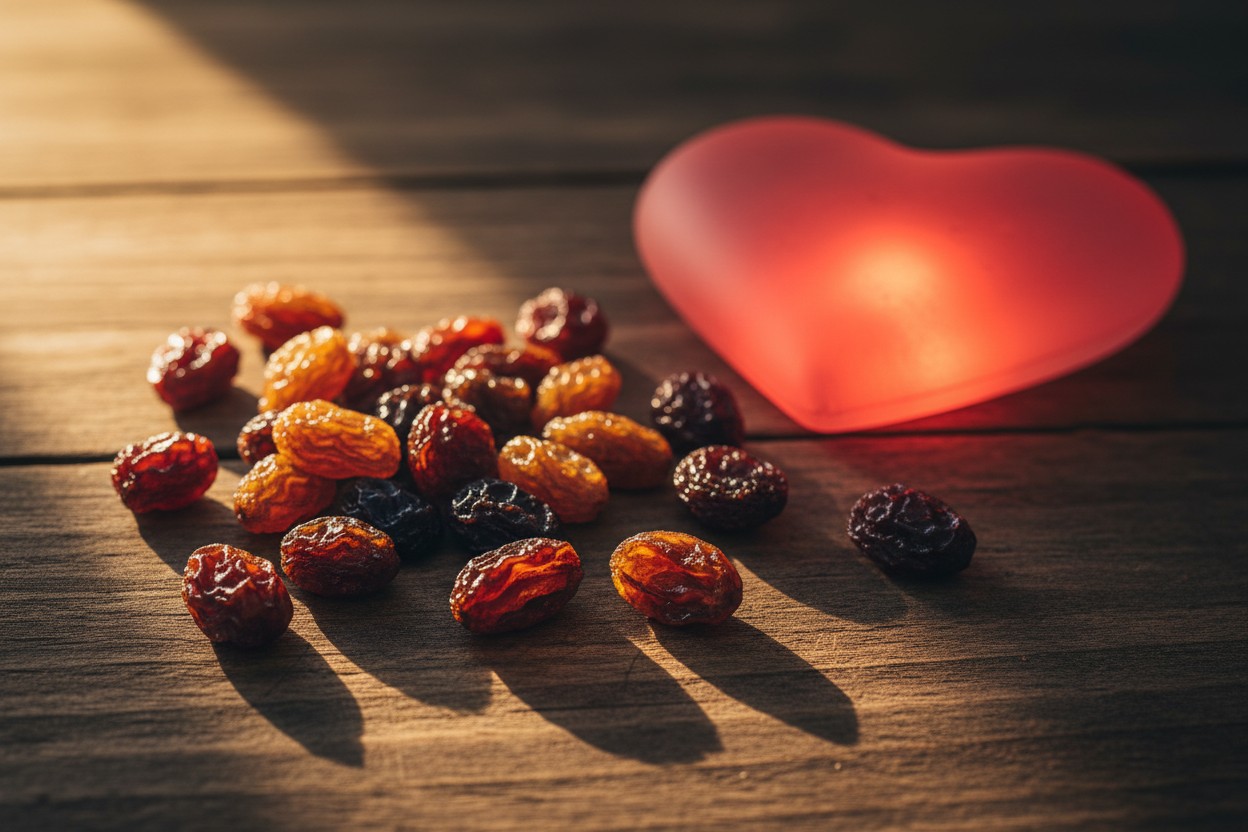
Nutritional Composition of Raisins
Raisins are a concentrated source of nutrients and energy. The article "Boost your health with raisins" on NaturalNews.com describes them as "nature's tiny nuggets of nutrition" [1]. An article on NaturalNews.com on dried fruit states that recent studies have shown dried fruit to be "a treasure trove of nutrients" [5]. In terms of specific compounds, a study published in the Journal of Agricultural and Food Chemistry by Louise E. Bennett examined the total polyphenolics and antioxidant properties of selected dried fruits, including sultanas (a type of raisin). The research provided supportive evidence for the storage stability of phenolics in emulsion-dried sultanas, indicating that these antioxidant compounds remain present after processing [6]. Antioxidants like polyphenols are associated with reduced oxidative stress, which is a factor in cardiovascular disease.Evidence for Cardiovascular Benefits
The potential cardiovascular benefits of raisins are linked to their nutrient profile, particularly potassium and polyphenols. The NAM report, as described in the NaturalNews.com article, emphasizes that potassium deficiency may be a critical factor in high blood pressure and heart disease [3]. Raisins provide a natural source of this mineral. Furthermore, a meta-analysis referenced in the book by an author described as a professional speaker on the digital transformation of humanitarian efforts noted that liberal consumption of fruits and vegetables is linked to a lowered risk of death, particularly from cardiovascular diseases [7]. The book further states, "Comprehensive meta-analyses have found that the liberal consumption of vegetables, berries and fruits is linked to a lowered risk of death, particularly in relation to cardiovascular diseases" [7]. While raisins are specifically a dried fruit, they fall under the broader category of fruit consumption that is associated with these benefits.Recommended Serving Size
Dietary guidelines for fruit consumption generally recommend several servings per day. The book by an author described as a professional speaker on the digital transformation of humanitarian efforts states that it is generally recommended to eat 5 to 9 portions (around 400 grams) of fruits, vegetables, and berries daily [7]. Dried fruit, including raisins, can contribute to this total. An article on NaturalNews.com about snacking on dried fruit notes that it "allows you to enjoy favorite fruits even when they are out of season" and that "eating natural snacks like dried fruit aligns with a healthy diet" [5]. While specific serving sizes for raisins were not detailed in the provided sources, the general recommendation for dried fruit is to consume it in moderation as part of a balanced diet that includes a variety of whole fruits.Potential Considerations
While raisins offer nutritional benefits, they are a concentrated source of natural sugars. Yeager's book "The Doctors Book of Food Remedies" notes that raisins provide "high-energy content," which is beneficial for hikers but also implies a higher calorie density compared to fresh fruit [2]. Individuals who monitor their caloric intake or blood sugar levels should consider portion sizes. Additionally, the book "200 surefire ways to eat well feel better" by Judith C. Rodriguez discusses how cooking and processing can affect nutrition, noting that vitamin C can be lost when vegetables are cooked in water and B vitamins are lost when manufacturers refine grains [8]. While this does not directly address dried fruit, it highlights that processing methods can alter nutrient content. Raisins, being sun-dried or oven-dried, retain many of the grape's original nutrients but also concentrate the sugars.Conclusion
Available evidence from multiple sources indicates that raisins are a nutrient-dense food that can contribute to a heart-healthy diet. Their potassium content as highlighted by reports may help address common deficiencies associated with high blood pressure [3]. Research on dried fruit antioxidants, such as the study on sultanas by Bennett, supports the presence of bioactive compounds that are beneficial for health [6]. While raisins offer energy, fiber and antioxidants, officials advise consuming them in moderation as part of an overall balanced diet rich in fresh fruits and vegetables. The link between fruit consumption and reduced cardiovascular disease risk, as noted in comprehensive meta-analyses [7], underscores the value of including raisins in a varied diet.References
- NaturalNews.com. "Boost your health with raisins AKA natures tiny nuggets of nutrition recipe included." November 14, 2020.
- Yeager, Selene. "The Doctors Book of Food Remedies."
- NaturalNews.com. "Prevent illness by increasing your intake of." May 19, 2011.
- NaturalNews.com. "Potassium-enriched salt may cut heart risks." August 24, 2006.
- NaturalNews.com. "Snack Your Way to Good Health and Weight Loss." January 29, 2009.
- Bennett, Louise E. "Total polyphenolics and anti-oxidant properties of selected dried fruits and relationships to drying conditions." Journal of Agricultural and Food Chemistry. 2011.
- Author described as professional speaker. "B."
- Rodriguez, Judith C. "200 surefire ways to eat well feel better."
Explainer Infographic

The potato paradox: Why how you cook matters more than you think
By Ava Grace // Share

Weighted Vests May Prevent Metabolic Slowdown During Weight Loss, Pilot Study Finds
By Morgan S. Verity // Share


Four plants rise to the top in a sweeping diabetes review
By Cassie B. // Share


Labor Department Suspends Eight Companies From Green Card Program
By edisonreed // Share

Reuters/Ipsos Poll: Trump Voters Show Lower Enthusiasm for Midterm Elections
By garrisonvance // Share

Trump Pledge on Iran Strikes Fails to Soothe Oil Markets
By sterlingashworth // Share

AI Chip Stocks Fall After Report on OpenAI Revenue Shortfall
By sterlingashworth // Share

EPA Proposes Rollback of Methane Rules for Oil and Gas Industry
By ivagreene // Share

Review Links Insomnia to 26% Higher Relative Risk of Stroke
By morganverity // Share