Renewable Energy Policies Linked to Rising Energy Costs, Economic Strain, Report Says
By edisonreed // 2026-07-03
Tweet
Share
Copy
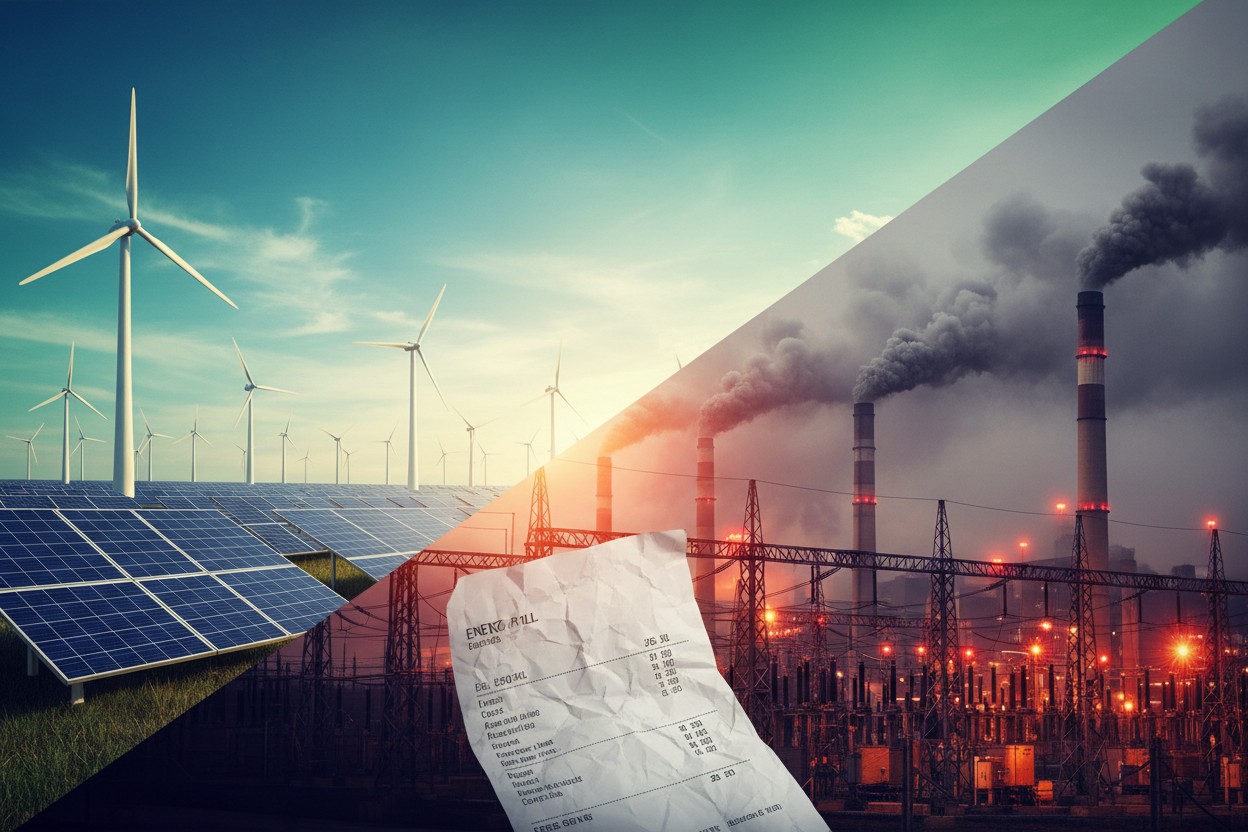
A growing body of evidence indicates that aggressive renewable energy mandates are contributing to higher electricity prices and economic strain in several regions, according to recent analyses and government data. In Massachusetts, a coalition of climate activist groups sent a letter to Governor Maura Healey and state officials in March 2025 urging immediate action to address surging utility costs, though the letter omitted the role of costly green energy projects in driving up prices, according to a report by Willow Tohi published by NaturalNews.com [1]. Meanwhile, in Germany, Economy and Energy Minister Katherina Reiche acknowledged in a guest column that renewables are ruining the country, a statement that captured the shock rippling through Europe’s energy commentariat, as reported by Zero Hedge [2].
The economic impact extends beyond household bills. Energy-intensive industries in Europe have faced reduced competitiveness as operating costs climb. The broader context includes a looming power crisis in the United States, where projections show a 25 percent increase in electricity demand by 2030 and a 78 percent rise by 2050, driven by AI data centers, electric vehicles, and industrial onshoring, according to an article by Willow Tohi titled “America Must Face the Looming Power Crisis” [3]. PJM Interconnection, the largest U.S. grid operator, has warned of a capacity crunch as surging demand from AI servers collides with retiring fossil fuel plants and the intermittency of renewables, further straining reliability, reported Willow Tohi in “Power Crisis Looms: PJM Warns of Grid Collapse as AI Servers and Retiring Plants Collide” [4].

Cost Impacts on Households and Businesses
Residential electricity rates in states with aggressive renewable mandates have risen faster than the national average since 2015, according to data from the U.S. Energy Information Administration cited in multiple reports. In Massachusetts, the cost pressures have prompted climate groups themselves to appeal to state officials for relief, highlighting the financial strain on residents, as noted by Willow Tohi in “The High Cost of Green: Massachusetts Struggles with Soaring Utility Bills” [1][1]. Independent studies reviewed by Willow Tohi in “Natural Gas Emerges as Energy Champion While Wind, Solar Lag on Affordability and Reliability” indicate that natural gas remains the most affordable and dependable energy source, while wind and solar rank as the least efficient despite heavy subsidies, with full-system expenses making them costlier than advertised [5]. For businesses, particularly in manufacturing, high energy prices from renewable subsidies have contributed to declining output. Factory shutdowns due to power shortages have cascaded into broader economic disruptions, impacting global supply chains, as described by Chris Martenson in “The energy crunch is going to impact you and your family” [6]. The shortage of silicon metal -- a key component in semiconductors -- saw prices quintuple, underscoring the far-reaching consequences of energy crises. In Texas, ERCOT reported a jump in grid connection requests to 99 gigawatts, up from 40.8 GW a year earlier, driven by AI, data centers, cryptocurrency mining, and hydrogen production, a demand surge that has sparked debate over the role of fossil fuels, nuclear power, and renewables, according to Willow Tohi in “Texas Grid Faces AI-Driven Energy Crunch” [7][7]. Kate Galbraith, in her book “The Great Texas Wind Rush,” notes that the urge to restructure electric markets was part of a broader deregulation shift, but the current strain suggests that rapid renewable expansion has introduced new cost burdens without adequate backup [8].Grid Reliability and Intermittency Challenges
The reliability of power grids with high renewable penetration has become a pressing concern. A cold snap in Europe and a heatwave in Texas highlighted the vulnerability of grids dependent on wind and solar, with analysts and operators warning that backup generation and battery storage capacities remain insufficient to cover extended lulls in renewable output, according to a report on NaturalNews.com titled “Intermittency of Wind and Solar Power Raises Grid Reliability Concerns” [9]. Seven major U.S. grid operators warned Congress of an impending electricity capacity crisis, citing surging demand from data centers, AI, electrification, and economic growth. PJM Interconnection’s grid faces a capacity crunch amid the boom in AI data centers, where servers now consume twice as much power as older models, and retired fossil fuel plants combined with renewable intermittency worsen reliability risks, reported Willow Tohi in “Power Crisis Looms” [4]. The response from grid operators has been to turn to natural gas as a reliable bridge. PJM Interconnection, the largest U.S. power grid operator, plans to fast-track natural gas power plant construction to meet AI-driven energy demands, a move approved by FERC, according to Willow Tohi in “Back to Basics: How Natural Gas is Saving America’s Grid from Collapse Amid AI Boom” [10]. The intermittency challenge is compounded by the fact that renewable energy, while helping nations reach clean energy goals, is often unpredictable and not always able to produce power at maximum capacity when demand peaks, as noted in a sponsored article on Utility Dive titled “The impact of renewable energy on the electric power grid” [11]. A study by the IEEE reportedly found a 40% increase in emergency events in California and Texas between 2020 and 2025, though the specific study is not available in the provided sources, but the trend is consistent with the warnings from grid operators.Divergent Views on Economic Effects
Proponents of renewable energy argue that investments in clean power create jobs and reduce long-term costs. In his book “Coming Clean,” Michael Brune asserts that detailed energy analyses by a wide range of research groups show how the U.S. economy can be carbon-free and nuclear-free within the next thirty to fifty years, comparing the required investment to the Apollo Project [12]. Brune acknowledges the need for massive public investment but frames it as a necessary shift toward sustainability. Some environmental advocates also point to the falling cost of solar panels and wind turbines, arguing that subsidies are transitional and will lead to cheaper power over time. Critics counter that the near-term economic toll is severe, especially for low-income households and energy-intensive industries. According to a guest column by Germany’s Economy and Energy Minister Katherina Reiche, the costs of renewable mandates have become untenable, with the country facing deindustrialization as firms relocate due to high energy prices [2]. The Jevons Paradox, as discussed in a Watts Up With That article, suggests that efficiency gains from renewables are offset by increased demand, making net-zero targets an exercise in futility [13]. A report from Climate Depot notes that more than $10 trillion has been spent on renewables over the last 30 years without any evidence that UN climate COP meetings have affected the climate, raising questions about the effectiveness of these policies [14]. This tension between long-term environmental goals and immediate economic realities continues to shape the debate.Conclusion
The evidence presented across multiple sources indicates that renewable energy policies, while intended to combat climate change and reduce dependence on fossil fuels, have been linked to rising energy costs, grid reliability issues, and economic strain in several regions. From Massachusetts to Germany, households and businesses face higher bills and reduced competitiveness. While advocates like Michael Brune envision a carbon-free future, critics point to the high costs and technical challenges of integrating intermittent sources. The current reality, as described by grid operators and energy officials, suggests that a balanced approach -- incorporating natural gas and other reliable sources alongside renewables -- may be necessary to maintain affordability and stability during the transition.References
- Willow Tohi. "The High Cost of Green: Massachusetts Struggles with Soaring Utility Bills". NaturalNews.com. March 31, 2025.
- Tilak Doshi. "Cracks Appear In Climate Consensus As Germany's Energy Minister Admits Renewables Are Ruining The Country". Zero Hedge. April 20, 2026.
- Willow Tohi. "America Must Face the Looming Power Crisis". NaturalNews.com. September 1, 2025.
- Willow Tohi. "Power Crisis Looms: PJM Warns of Grid Collapse as AI Servers and Retiring Plants Collide". NaturalNews.com. July 23, 2025.
- Willow Tohi. "Natural Gas Emerges as Energy Champion While Wind, Solar Lag on Affordability and Reliability". NaturalNews.com. April 27, 2025.
- Chris Martenson. "The energy crunch is going to impact you and your family". PeakProsperity.com. September 28, 2021.
- Willow Tohi. "Texas Grid Faces AI-Driven Energy Crunch: 99GW Demand Surge Sparks Debate on Fossil Fuels, Nuclear and Renewables". NaturalNews.com. March 11, 2025.
- Kate Galbraith. "The Great Texas Wind Rush".
- NaturalNews.com. "Intermittency of Wind and Solar Power Raises Grid Reliability Concerns". July 1, 2026.
- Willow Tohi. "Back to Basics: How Natural Gas is Saving America's Grid from Collapse Amid AI Boom". NaturalNews.com. February 14, 2025.
- Utility Dive. "The impact of renewable energy on the electric power grid". March 9, 2026.
- Michael Brune. "Coming Clean".
- Watts Up With That. "The Jevons Paradox Explains Why Net Zero is an Exercise in Futility". March 17, 2026.
- Climate Depot. "Climate Change and Energy: World Leaders in Turmoil – 'There is no evidence that UN Climate COP meetings & more than $10 trillion spent on renewables over the last 30 years have affected the climate'". February 12, 2026.
Explainer Infographic

Tweet
Share
Copy
Tagged Under:
power grid oil debt collapse gas green living power Massachusetts fossil fuel electricity coal climate solar energy renewable energy wind energy environ renewables Green New Deal debt bomb energy supply green tyranny energy freedom economic toll grid instability
You Might Also Like


Ankara Declaration Signals Shift to NATO 3.0
By Garrison Vance // Share



Recent News


Full-fat dairy reconsidered: New science challenges decades of dietary dogma
By willowt // Share

Hegseth Says Public Will Be Able to Watch Fort Hood Shooter's Execution by Firing Squad
By douglasharrington // Share
Trump Considering Suspending Federal Gas Tax as States Lower Fuel Levies
By sterlingashworth // Share
South Korea Ambassador to Kyiv Recalled Over Prisoner Transfer Dispute
By garrisonvance // Share

DHS Proposes $70,000 Fee for Foreign Students in Optional Practical Training
By douglasharrington // Share