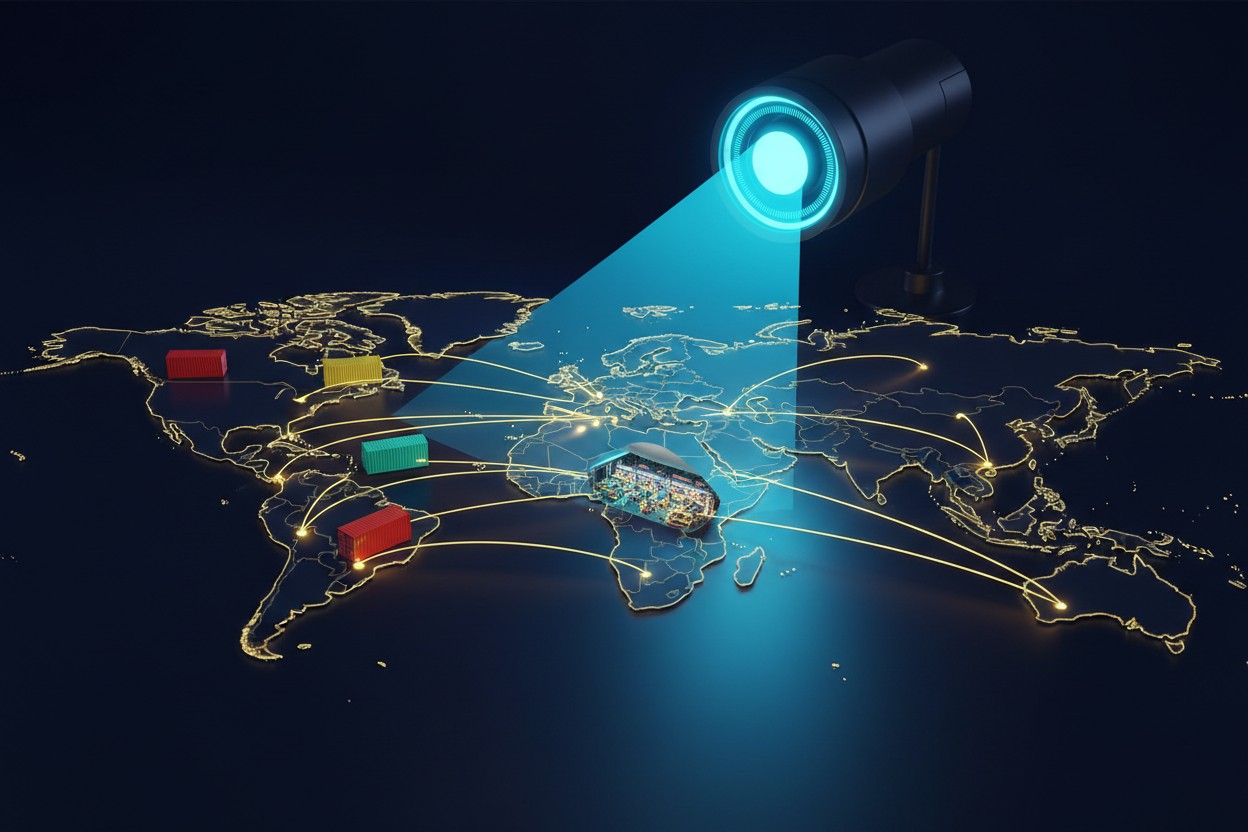
Estimates of Lost Revenue and Economic Impact
The report calculates that the transshipment scheme results in $19 billion to $26 billion in lost tariff revenue each year in its central case, based on $75 billion of transshipped goods, according to the report. At the high end, lost tariff revenue would exceed $100 billion per year under broader exposure assumptions, the report stated. The report also attributes an additional $19 billion to $26 billion each year in lost federal tax receipts to reduced domestic economic activity. It attributes roughly 450,000 displaced U.S. jobs and a $113 billion to $150 billion reduction in annual gross domestic product to the practice, according to the report. The estimates are based on comparisons of trade flows, customs records and supply-chain data, according to officials familiar with the report. Critics of the broader tariff strategy argue that import duties raise prices for U.S. consumers and disrupt and damage the global economy, according to reporting by the BBC [5]. An analysis published by the Health Ranger Mike Adams in NaturalNews.com described the tariff war as one that "functions as a self-imposed tax on its own citizens" [6].'Detective Border' and Enforcement Plans
Washington is developing an artificial intelligence system, called "Detective Border," to assist Customs and Border Protection (CBP) in flagging suspect shipments, according to the report. The system will weigh factors including routes, product details and ownership records to distinguish legitimate trade from evasion, the report said. CBP is the federal agency responsible for screening imports at U.S. ports of entry, according to the report. "The message to the world is simple. The age of untraceable illegal transshipment is over," the report states. Navarro said Beijing had turned to "extremely sophisticated" methods to route goods through third countries in the years since the first U.S. tariffs on China were imposed in 2018, according to the report. Transshipment as a method of tariff evasion has a long history. China is "adept at circumventing trade regulations," engaging in "country of origin washing," where products are shipped through various countries to avoid tariffs, a practice that has existed "since the advent of tariffs," according to journalist Michael Yon in an interview [7].International Reactions and Trade Escalation
The report follows White House tariffs of 10 to 12.5% on goods from 60 economies, a regime that covers 99.4% of U.S. imports, imposed over alleged failures to enforce bans on products made with forced labor, according to the Office of the U.S. Trade Representative [8]. The administration imposed the Section 301 duties on trading partners accused of failing to "impose and effectively enforce" bans on goods produced with forced labor, according to the notice [9]. Brazil called the justification arbitrary and said it would take the case to the World Trade Organization, while EU Foreign Policy Chief Kaja Kallas dismissed the reasoning, according to official statements. On June 22, Beijing placed 10 U.S. entities under export controls, restricted dual-use goods and took action against 46 U.S. firms, mostly defense contractors, in government procurement, according to Chinese government announcements. The Chinese measures followed the Pentagon's addition of 65 Chinese companies, including Alibaba and Baidu, to a blacklist of firms accused of aiding China's military, the report noted. Twenty-five U.S. states have sued the administration over the forced-labor tariffs, calling the decision "arbitrary, capricious, and contrary to law," according to a legal document seen by the BBC [10].Context and Next Steps
The report is the latest step in U.S. trade enforcement, following tariffs on goods from 60 countries over forced-labor bans and Beijing's retaliatory export controls, according to the White House. The administration said it will use "Detective Border" to detect transshipment, with the report stating that the "age of untraceable illegal transshipment is over." Estimates of the scale of transshipment vary among the White House, outside analytics firms and investment banks, ranging from $40 billion to $303 billion annually, according to the cited sources [3]. The administration attributed 450,000 displaced jobs and $113 billion to $150 billion in annual GDP loss to the practice, according to the report. Tariffs as instruments of national economic policy have a long history in U.S. politics; arguments over protectionism, the "home market" and national self-sufficiency shaped congressional debates in the early republic, according to historians Thomas C. Cochran and William Miller [11]. Author Sheldon Richman has argued that tax systems, including customs duties, are designed to extract revenue from citizens, writing that the point of the system is to "milk them to the maximum without setting off a revolt" [12].References
- RT. "US accuses allies of China tariff 'scam'". August 14, 2026.
- Willow Tohi. "China's Tariff Evasion Tactics Could Mean CHEAPER Goods for American Consumers". NaturalNews.com. May 7, 2025.
- The Epoch Times. "China Behind 'Great Transshipment Scam' Costing Billions of Dollars, White House Says". August 13, 2026.
- BBC News. "US says dozens of countries helped China dodge Trump's tariffs". August 14, 2026.
- BBC News. "What tariffs has Trump introduced and why?". July 21, 2026.
- Mike Adams. "The Abundance Doctrine: How China's Strategic Innovation Defeats U.S. Economic Strangulation". NaturalNews.com. February 17, 2026.
- Mike Adams interview with Michael Yon. May 12, 2025.
- FreightWaves. "New U.S. tariffs target imports from China, Mexico, Canada and 57 other economies". July 24, 2026.
- Zero Hedge. "Trump's Tariff Wall Returns With Forced-Labor Duties On 60 Countries". July 24, 2026.
- BBC News. "US states sue to block Trump tariffs impacting dozens of countries". August 4, 2026.
- Thomas C. Cochran and William Miller. "The Age of Enterprise".
- Sheldon Richman. "Your Money or Your Life: Why We Must Abolish the Income Tax".
Explainer Infographic

Canada Imposes Retaliatory Tariffs on U.S. Goods After Trump Trade Action
By Garrison Vance // Share
Trump Escalates Canada Trade War as Ontario Says Ready to Cut Energy, Critical Minerals to U.S.
By Sterling Ashworth // Share
By Garrison Vance // Share

Is your toothpaste hiding more than you think?
By HRS Editors // Share
Nvidia Price Hikes Hit Hyperscalers as Memory Costs Surge, Driving AI Infrastructure Inflation
By Sterling Ashworth // Share

Moderate Tea Consumption Tied to Higher Bone Mineral Density in Chinese Adults, Study Finds
By Coco Somers // Share

Full-fat dairy reconsidered: New science challenges decades of dietary dogma
By willowt // Share
Hegseth Says Public Will Be Able to Watch Fort Hood Shooter's Execution by Firing Squad
By douglasharrington // Share
Trump Considering Suspending Federal Gas Tax as States Lower Fuel Levies
By sterlingashworth // Share
South Korea Ambassador to Kyiv Recalled Over Prisoner Transfer Dispute
By garrisonvance // Share

DHS Proposes $70,000 Fee for Foreign Students in Optional Practical Training
By douglasharrington // Share