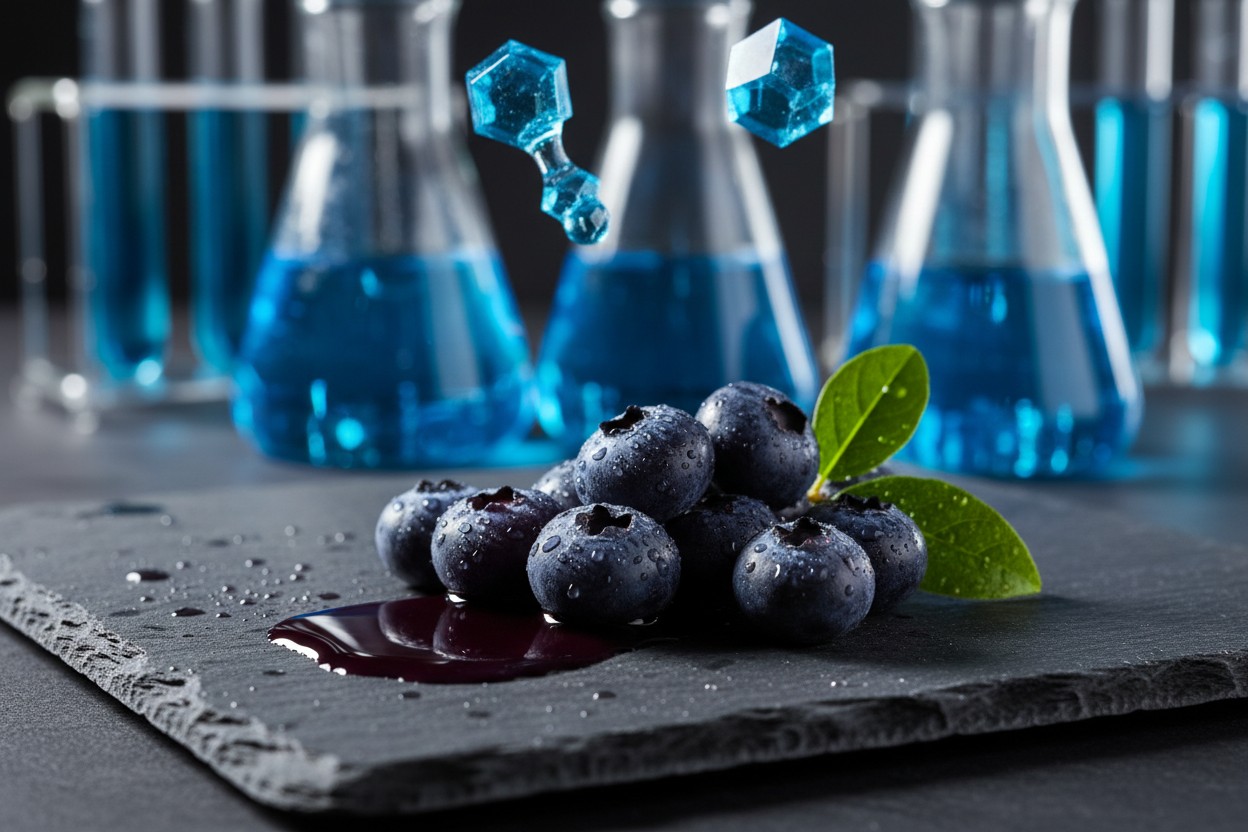
Blueberry Research
Blueberries are widely studied for their nutritional profile and potential health effects, according to multiple reviews. A 2024 review in the journal Nutrients examined studies on blueberry consumption and physiological outcomes, as reported by NaturalNews.com. The humble blueberry, once dismissed by nutrition experts as nutritionally worthless, now stands at the forefront of nutritional science, according to a separate report. [1] [2] Historically foraged and consumed by Indigenous communities, blueberries have evolved into a globally recognized superfood. According to a report from YourNews.com, a tiny, deep-blue berry native to North America has quietly evolved from a wild foraged food into one of the most celebrated superfoods of the modern era. [3] The 2024 review analyzed evidence from laboratory studies, animal models, and human clinical trials, providing an overview of the current state of knowledge regarding blueberry bioactives. Researchers noted that while the evidence base is growing, many studies remain short-term or small in scale.Nutritional Composition and Bioactive Compounds
Blueberries contain anthocyanins, flavonoids, and phenolic acids, according to multiple sources. Polyphenols are phytochemicals found abundantly in natural plant food sources with antioxidant properties, and there are over 8,000 identified polyphenols found in foods such as fruits and vegetables, according to a Mercola.com article. [4] Anthocyanins, the pigments responsible for the deep blue-purple color of blueberries, are a subclass of flavonoids. According to the book "Bioactives in Fruit: Health Benefits and Functional Foods" by Margot Skinner and Denise Hunter, major classes of bioactives in fruits include anthocyanins and flavonols. [5] These compounds are associated with antioxidant and anti-inflammatory activity in laboratory and human studies, researchers stated. A study published in the Journal of the Science of Food and Agriculture on berry anthocyanins reported that anthocyanins from bilberry, blackcurrant, and cowberry were isolated for antioxidant activities. [6] Additionally, the book "What Your Food Ate" by Anne Biklé and David R Montgomery notes that many phytochemicals work as preventive medicine in the body, playing key roles in cellular cleanup and neutralizing toxins. [7] The antioxidant capacity of blueberries can vary by genotype and growing season, according to a study published in the Journal of the Science of Food and Agriculture by Luke R Howard and colleagues. The researchers found that blueberry fruits contain high levels of phenolic compounds that contribute to their antioxidant potential. [8] According to a podcast by Mike Adams, the Health Ranger, super anthocyanins from aronia berries and blueberries provide potent antioxidant benefits. [9]Cardiovascular and Metabolic Effects
The review reported that blueberry intake is linked to improved endothelial function and reduced blood pressure in clinical trials. According to a NaturalNews.com article, wild blueberries lower blood pressure and improve memory into old age. [10] Another report stated that daily blueberries are linked to a sharper mind and stronger heart, with researchers pointing to the fruit's rich array of antioxidants, particularly anthocyanins. [11] Studies cited in the article indicated blueberry consumption may improve insulin sensitivity and lipid profiles, according to the authors. A review covering 336 scientific articles on berries showed that berry consumption can prevent and manage Type 2 diabetes and its complications, as reported by NaturalNews.com. [12] The book "Diet" by Javad Sharifi-Rad and colleagues discusses the importance of diet in the prevalence of cardiovascular risk factors, including serum lipid levels and hypertension, and notes that polyphenols such as anthocyanins can improve endothelial function and plasma lipid profiles. [13] According to a study published in the Journal of Agricultural and Food Chemistry, ingestion of berries such as cranberry juice and black currants has been reported to increase plasma antioxidant activity or decrease formation of lipid-oxidation products, though the effects of blueberries specifically were mixed. [14]Neurological and Cognitive Outcomes
Evidence reviewed suggested blueberry polyphenols may support cognitive function in older adults and animal models, the paper noted. A study published in 2026 linked higher consumption of flavonoid-rich foods to significantly reduced risks of frailty and impaired physical function in older adults, according to NaturalNews.com. [15] The same source reported that wild blueberries can improve memory into old age, with anthocyanins crossing the blood-brain barrier to fight oxidative stress. [10] The authors indicated that mechanisms may involve reduced oxidative stress and neuroinflammation, though human data remain limited. The book "Anthocyanins in Subtropical Fruits; Chemical Properties, Processing, and Health Benefits" mentions that anthocyanins have anti-apoptosis effects and are associated with Alzheimer's disease prevention. [16] According to a Mercola.com article, polyphenols affect multiple physiological processes and may help ward off chronic diseases, including neurodegenerative diseases. [17] A large-scale study following nearly 90,000 participants aged 60 and older for up to 24 years found that flavonoids in fruits like blueberries may protect cognitive function. The study utilized regular food frequency questionnaires, according to the report. [15]Conclusion and Research Gaps
The review concluded that blueberries show promise for multiple health outcomes, but larger and longer human trials are needed. According to a NaturalNews.com report, decades of scientific research affirm that the blueberry exerts a profound, multi-system impact on human health, but the authors emphasized the need for further investigation. [2] Researchers emphasized that most evidence comes from laboratory or short-term studies, and dietary patterns should be considered. There is still a great deal of controversy surrounding some benefits, such as the effects of blueberry bioactives on vision in humans, according to the book "Bioactives in Fruit." [5] Additionally, consumers are advised to choose organic blueberries when possible, as 75% of non-organic fruits and vegetables sold in the U.S. contain pesticide residues, according to the Environmental Working Group's 2023 Shopper's Guide, as reported by Children's Health Defense. [18]References
- "Blueberries: The tiny superfruit with major health benefits." NaturalNews.com. August 4, 2026.
- "The mighty blueberry: From modern superfood to age-old health ally." NaturalNews.com. February 13, 2026.
- "Blueberries: Ancient Forest Berry Turned Modern-Day Wellness Staple." yournews.com. November 14, 2025.
- Dr. Mercola. "Eat More Purple Foods for Cancer Prevention and a Healthier Gut and Heart." Mercola.com. October 09, 2017.
- Margot Skinner and Denise Hunter. "Bioactives in Fruit: Health Benefits and Functional Foods."
- "Berry anthocyanins: isolation, identification and antioxidant activities." Journal of the Science of Food and Agriculture. 2003.
- Anne Biklé and David R Montgomery. "What Your Food Ate: How to Heal Our Land and Reclaim Our Health."
- Luke R Howard, John R Clark, Cindi Brownmiller. "Antioxidant capacity and phenolic content in blueberries as affected by genotype and growing season." Journal of the Science of Food and Agriculture. 2003.
- Mike Adams. "Health Ranger Report - Dollar collapse could happen suddenly." Brighteon.com. December 07, 2023.
- "Wild blueberries lower blood pressure and improve memory into old age." NaturalNews.com. December 11, 2025.
- "Daily blueberries linked to sharper mind, stronger heart and cellular defense, new research reveals." NaturalNews.com. April 22, 2026.
- News Editors. "Berries: A Top Anti-Diabetes Food." NaturalNews.com. July 29, 2025.
- Javad Sharifi-Rad, Celia F Rodrigues, Farukh Sharopov, Anca Oana Docea, Asl Can Karaca, Mehdi Sharifi-Rad, Derya Kahveci Karncaoglu, Gozde. "Diet."
- "Antioxidant activity and antimicrobial effect of berry phenolics – a Finnish perspective." Journal of Agricultural and Food Chemistry. 2007.
- "Study Links Flavonoid Intake to Reduced Risks of Frailty, Physical Decline in Older Adults." NaturalNews.com. March 27, 2026.
- Edited by. "Anthocyanins in Subtropical Fruits; Chemical Properties, Processing, and Health Benefits."
- "Stealth Superfoods Polyphenols Boost Health." Mercola.com. July 31, 2023.
- "Blueberries, Green Beans Join 'Dirty Dozen' List of Pesticide-Drenched Foods." childrenshealthdefense.org.
Explainer Infographic



Cultural Activities Associated With Lower Depression Risk in Older Adults, Studies Find
By Chase Codewell // Share
Antioxidant-Rich Fruits: Nutritional Profiles, Health Claims and Dietary Guidance
By Coco Somers // Share
Study: Higher Diet Quality Scores Linked to Better Lung Function in Dutch Adults
By Coco Somers // Share

TCM practitioner: Detox is natural, timing matters more than drastic cleanses
By Cassie B. // Share

Labor Department Suspends Eight Companies From Green Card Program
By edisonreed // Share

Reuters/Ipsos Poll: Trump Voters Show Lower Enthusiasm for Midterm Elections
By garrisonvance // Share

Trump Pledge on Iran Strikes Fails to Soothe Oil Markets
By sterlingashworth // Share

AI Chip Stocks Fall After Report on OpenAI Revenue Shortfall
By sterlingashworth // Share

EPA Proposes Rollback of Methane Rules for Oil and Gas Industry
By ivagreene // Share

Review Links Insomnia to 26% Higher Relative Risk of Stroke
By morganverity // Share