
- A truck bomb in Planadas killed four, including a two-month-old, as Colombia’s government escalates military action against FARC dissidents.
- President Abelardo de la Espriella abandoned peace talks, opting for airstrikes and troop deployments, deepening conflict in a cocaine-fueled war.
- Coca cultivation and poverty sustain armed groups, creating a cycle of violence that endangers civilians and undermines state legitimacy.
- Critics argue military-only solutions risk collateral damage and fail to address systemic issues like coca dependency and state absence.
A Government at war with its armed groups
De la Espriella’s right-wing administration, backed by the U.S., has abandoned his predecessor’s “Total Peace” policy, opting for a scorched-earth approach to drug enforcement. Within weeks of taking office in August, he ordered airstrikes on FARC dissidents, extradited leaders, and declared all non-state armed groups “terrorists.” The Planadas bombing, one of four attacks in a single week, has become a rallying cry for his hardline stance. “We will not negotiate with those who profit from death,” he declared, framing military force as the only path to security. Yet this approach risks deepening the conflict. The FARC, once Colombia’s dominant guerrilla force, fractured after its 2016 peace deal. Dissident factions, rival groups like the ELN, and drug cartels now vie for control of coca territories. The government’s crackdown has not disarmed them but intensified their attacks, as seen in the Planadas blast and a Halloween bombing that killed a police officer. For families in Tolima and Huila, the war is no longer confined to jungles; it’s in their streets.The systemic roots of the violence
To understand why a baby was collateral damage in a war over coca, one must trace the economics of Colombia’s drug trade. The UN Office on Drugs and Crime reports record coca cultivation in 2023: 253,000 hectares, driven by demand for cocaine. FARC dissidents, who rejected the 2016 peace deal, now control much of the crop, funding their operations with illicit profits. Farmers, trapped in poverty, grow coca for its guaranteed buyers and portability, even as armed groups enforce “taxes” and violence. The state’s absence in rural Colombia compounds the crisis. After the FARC’s demobilization, security vacuums emerged, allowing dissidents and cartels to govern through fear. Cheap drones and improvised explosives have weaponized this instability, bringing war to towns like Planadas. “The government’s military strategy doesn’t address why coca thrives,” says Tiziano Breda of ACLED. “Without roads, schools, and legal alternatives, violence is the only economy.”The case for strong leadership (and its limits)
Supporters of De la Espriella argue that armed groups will only respond to force. “Peace talks reward violence,” a senior official told Cambio Colombia. “We must make them choose: surrender or die.” The president’s airstrikes and raids, they claim, signal to civilians that the state is on their side. Yet critics warn of unintended consequences. By late October, six airstrikes in 82 days had already killed civilians, raising questions about the cost of this approach. Moreover, history shows that force alone rarely ends insurgencies. Coca cultivation hit record highs under past governments, including those that used eradication and military pressure. Killing commanders often breeds successor factions, while peace signatories (former combatants who accepted the 2016 deal) face assassinations, deterring others from disarming. As one analyst notes, “The government’s offensive may reshape the conflict, but it won’t end it unless it addresses the roots.” The Planadas bombing is not an isolated tragedy but a symptom of a system that sustains itself. Coca fuels armed groups, poverty binds communities to the drug trade, and a state torn between peace and war leaves civilians caught in the crossfire. De la Espriella’s “prison or death” strategy may suppress violence temporarily, but without investment in rural infrastructure, legal alternatives, and reconciliation, the cycle will persist. For the two-month-old girl who died in Planadas, the cost of this war is absolute. For Colombia, the question remains: Can a nation reconcile its need for security with the hard truths of its own making? The answer may determine whether the road to peace is truly paved with blood, or with something more enduring. Sources include: NZHerald.co.nz AcleData.com Voice7News.tv Diariolibre.com
Trump Says “No” To Resuming Iran Strikes After Midterms
By Garrison Vance // Share
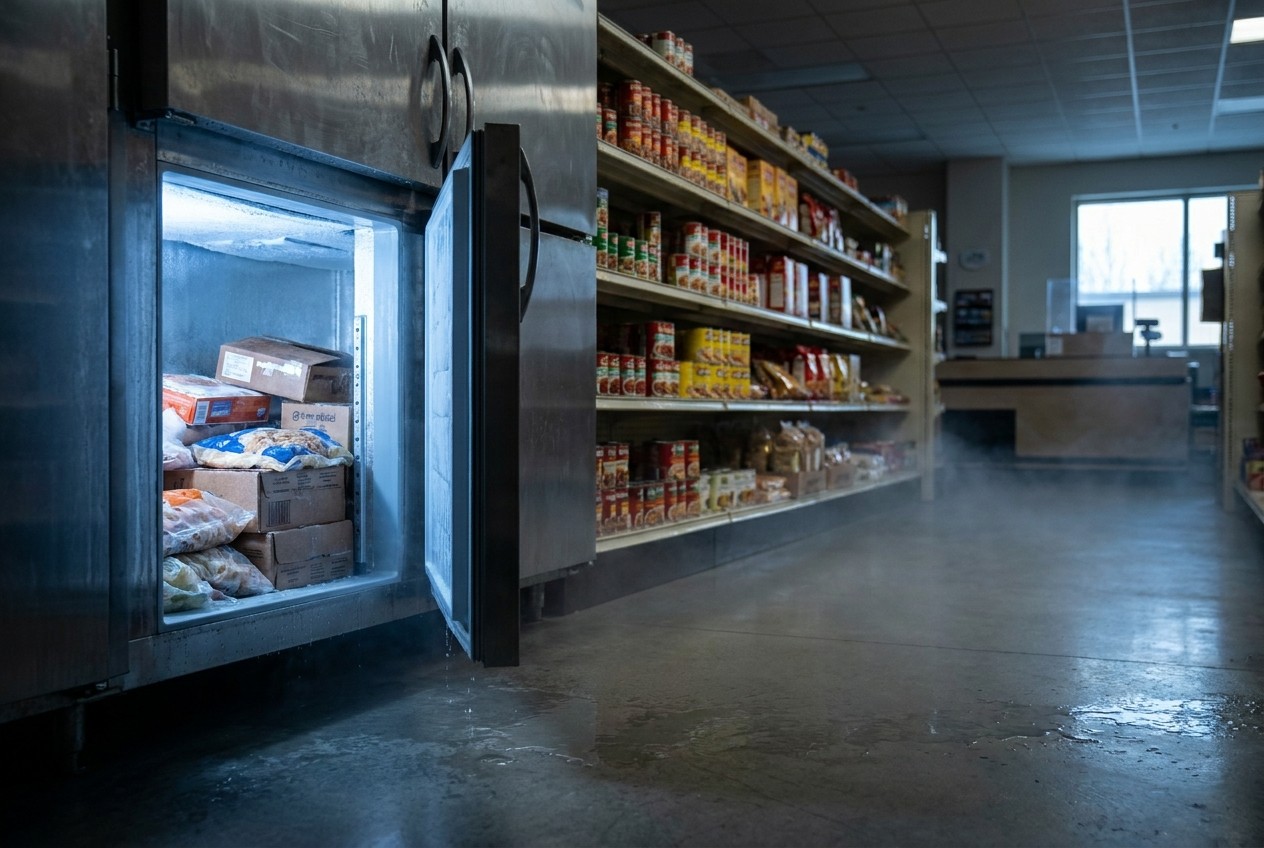
War Department Investigates Overnight Sabotage of Food Supply in Military Bases
By Garrison Vance // Share

AI meltdown: $2 Trillion wiped from tech stocks as investors question AI spending
By Willow Tohi // Share

Pentagon Treats Military Base Freezer Malfunctions as Suspected Cyberattack
By Garrison Vance // Share
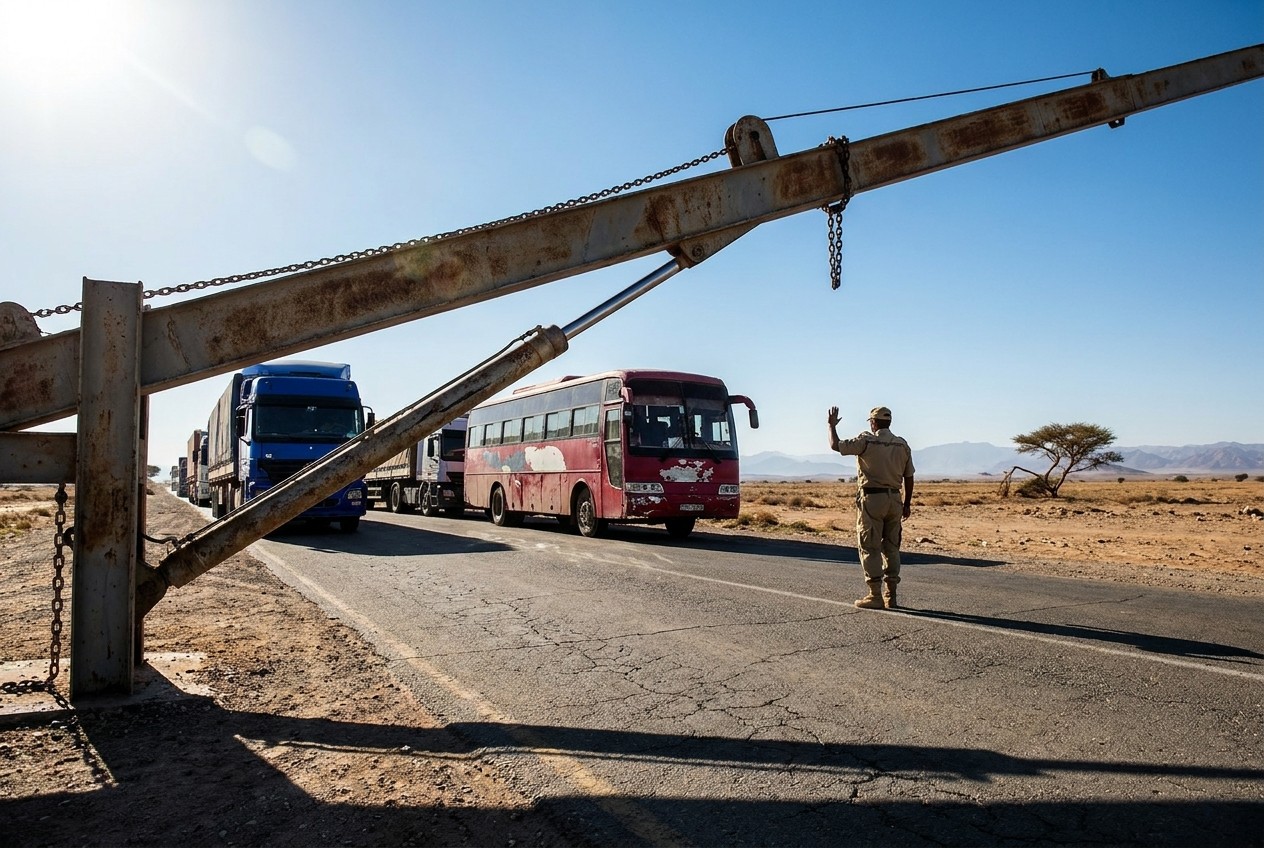
Iraq Shuts Sheeb Border Crossing With Iran Under U.S. Pressure, Reports Say
By Douglas Harrington // Share

U.S. Stocks Fall Sharply as AI-Linked Shares Retreat; Investors Cite Bubble Concerns
By Chase Codewell // Share
Trump Says "No" To Resuming Iran Strikes After Midterms
By garrisonvance // Share

The pendulum and the trap: Why a swing back to Democrats won’t set us free
By ljdevon // Share
War Department Investigates Overnight Sabotage of Food Supply in Military Bases
By garrisonvance // Share
Drug war heats up in Columbia, leaving four dead, including a baby
By ljdevon // Share

Iowa Officials Order Removal of Satanic Temple Holiday Display
By douglasharrington // Share

Online Doomsday Chatter Fuels Preparedness Discussion as Officials and Researchers Weigh In
By douglasharrington // Share