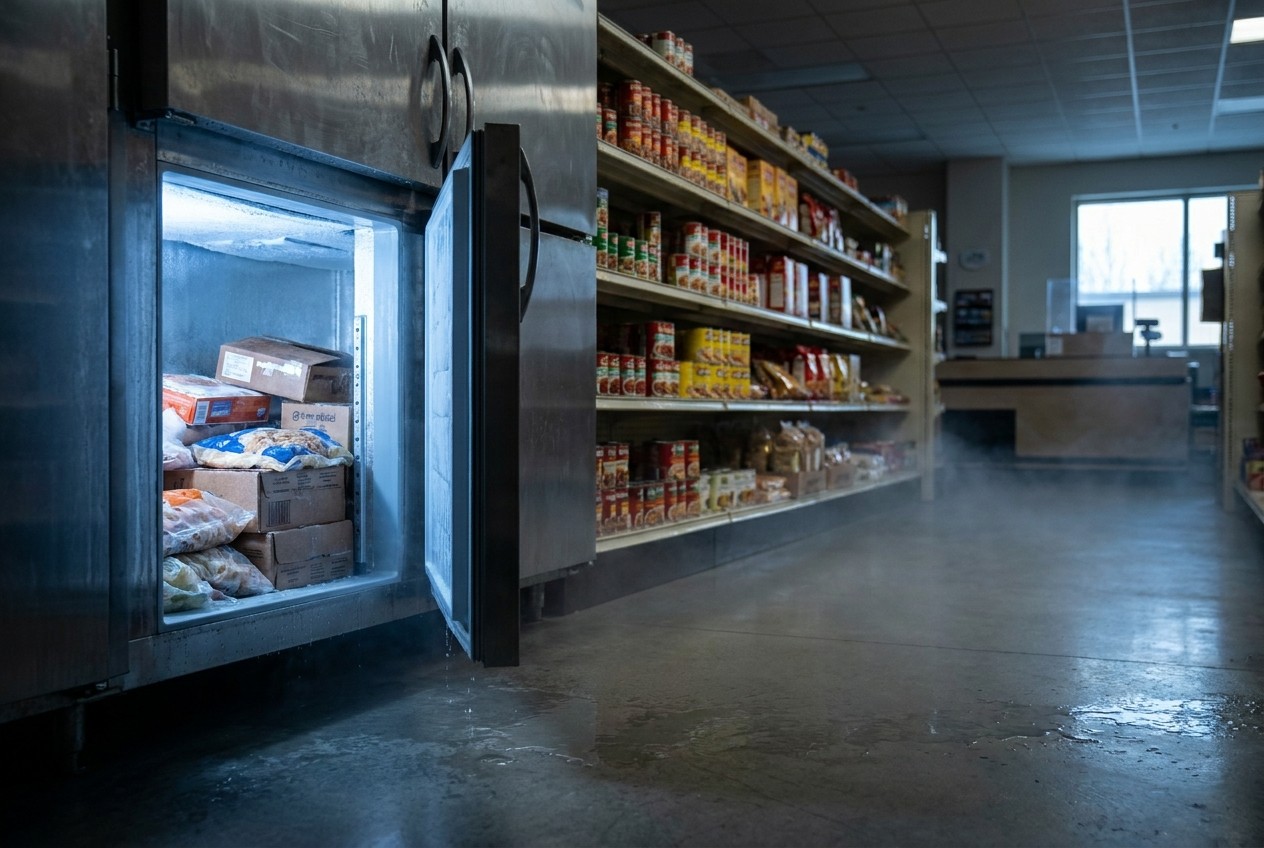
Scope and Reported Method of the Disruptions
Commissaries are on-base grocery stores operated by the War Department for military families and retirees. They are distinct from dining facilities that feed troops in barracks and typically rely on commercial refrigeration systems. The disruptions have drawn parallels to a series of attacks on grocery stores in Europe. The War Department is working with U.S. allies in Europe, where a similar series of overnight freezer disruptions has affected supermarkets. The commissary system serves as a key component of military quality-of-life programs, providing discounted groceries to service members and their families. Disruptions to that supply chain can affect morale and readiness, though officials have not reported any impact on military operations.European Outages and Shared Equipment
The incidents are not limited to the U.S. bases, as similar overnight attacks have affected hundreds of grocery stores from Sweden to France. The ICA supermarket chain in Sweden has also been targeted, with a spokeswoman noting that affected stores were connected to an external temperature control system supplied by the Danish manufacturer Danfoss. Meanwhile, French Finance Minister Roland Lescure told the country's parliament that about 700 of the country's 10,000 supermarkets were hit, with fires breaking out as equipment – also provided by Danfoss – overheated. The pattern of attacks targeting refrigeration systems at grocery stores, both military and civilian, suggests a coordinated campaign, though officials have not drawn a definitive link. The involvement of Danfoss equipment in multiple countries has become a focal point for investigators examining the supply chain.Pentagon and Interagency Response
The War Department said a unit of U.S. Cyber Command, the military's cyber force, was "working in close coordination with interagency and law enforcement partners." Meanwhile, the Defense Commissary Agency (DCA) – which operates the commissary system – has been working to restore normal operations at the affected bases. The DCA transferred food items to other sites to limit any losses, according to the Daily Mail [1].Unresolved Questions
It remains unclear how many freezers were affected in total, how long the outages lasted, and what quantity of food was lost. The commissary system serves a large population of military families and retirees, and even short disruptions can result in significant waste. The investigation is ongoing, and it may take weeks or months before conclusions are reached. The War Department has not indicated whether it believes the attacks were intended to cause disruption or to send a message. The parallel incidents in Europe and the United States have raised questions about the security of remotely controlled systems that manage food storage, and officials have not ruled out further attacks. The War Department's investigation is being conducted amid heightened tensions over cyber threats to critical infrastructure. The commissary incidents come as military officials have warned about the potential for adversaries to target supply chains and logistics networks. The outcome of the probe could lead to new security measures for refrigeration systems at military bases and a broader review of cyber defenses for food storage facilities.References
- Pentagon probes sabotage of food supply at 14 US military bases. https://www.dailymail.com/news/article-16259595/pentagon-military-base-food-sabotage-hackers.html
- Pentagon probes overnight sabotage of food supply at 14 US military. https://article.wn.com/view/2026/11/02/Pentagon_probes_overnight_sabotage_of_food_supply_at_14_US_m/
Explainer Infographic


Trump Says “No” To Resuming Iran Strikes After Midterms
By Garrison Vance // Share

Drug war heats up in Columbia, leaving four dead, including a baby
By Lance D Johnson // Share
Online Doomsday Chatter Fuels Preparedness Discussion as Officials and Researchers Weigh In
By Douglas Harrington // Share

AI meltdown: $2 Trillion wiped from tech stocks as investors question AI spending
By Willow Tohi // Share
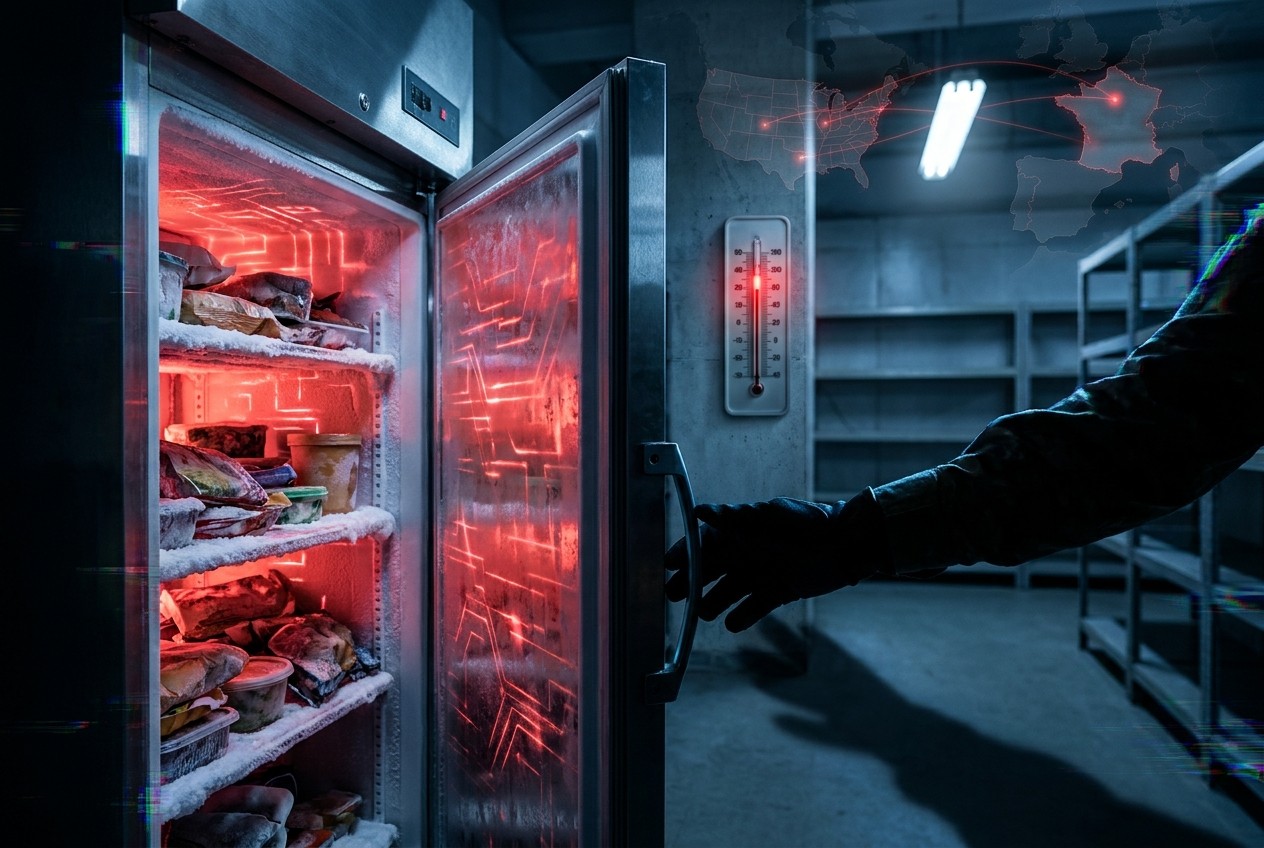
Pentagon Treats Military Base Freezer Malfunctions as Suspected Cyberattack
By Garrison Vance // Share
Iraq Shuts Sheeb Border Crossing With Iran Under U.S. Pressure, Reports Say
By Douglas Harrington // Share
Trump Says "No" To Resuming Iran Strikes After Midterms
By garrisonvance // Share

The pendulum and the trap: Why a swing back to Democrats won’t set us free
By ljdevon // Share
War Department Investigates Overnight Sabotage of Food Supply in Military Bases
By garrisonvance // Share
Drug war heats up in Columbia, leaving four dead, including a baby
By ljdevon // Share
Iowa Officials Order Removal of Satanic Temple Holiday Display
By douglasharrington // Share
Online Doomsday Chatter Fuels Preparedness Discussion as Officials and Researchers Weigh In
By douglasharrington // Share