What Propyl Paraben Is and Where It Is Used
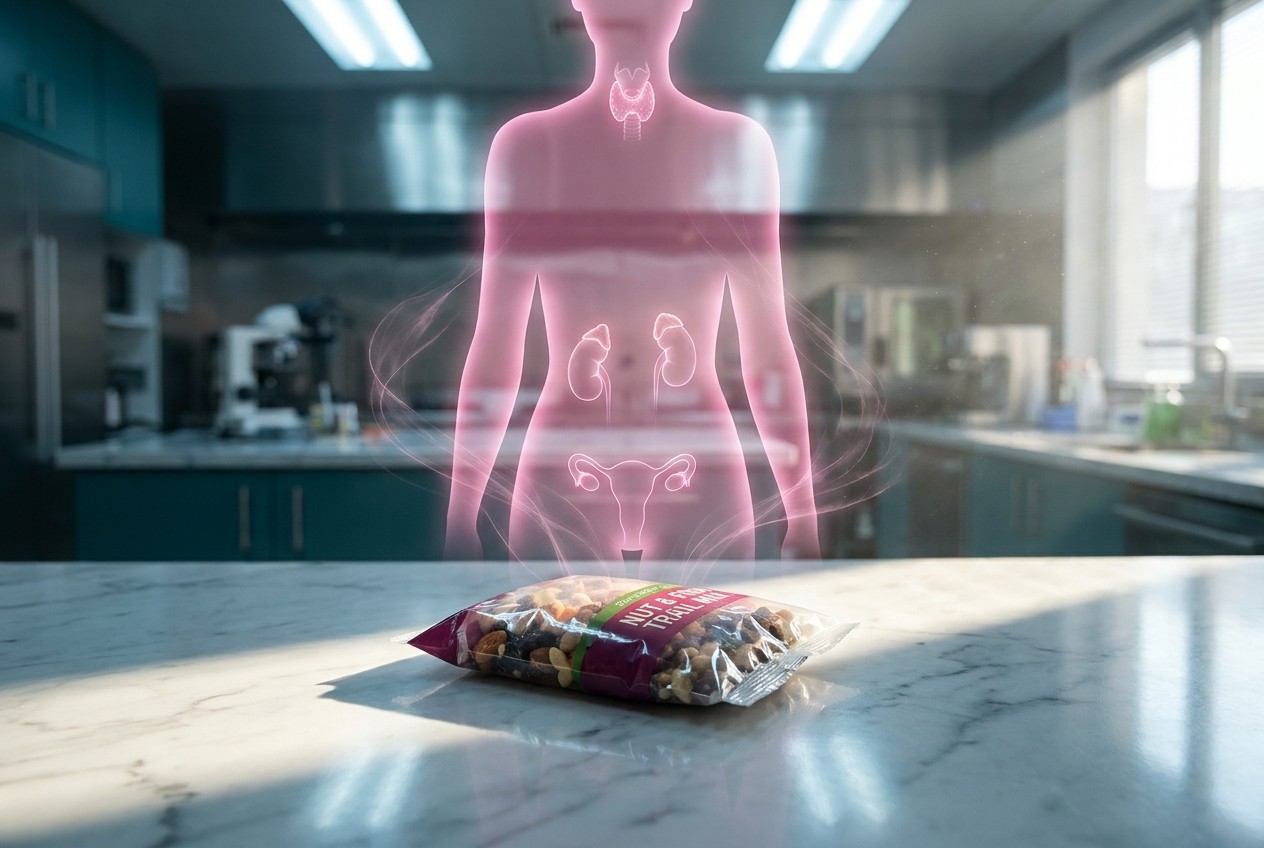
Propyl paraben is part of the paraben family of chemical compounds and is used to prevent the growth of bacteria, mold, and yeast, according to the EWG report. Propyl paraben is typically found in many water-based cosmetics, such as creams, lotions, shampoos, and bath products, and is also used as a food additive [2]. Food manufacturers in the U.S. can use multiple types of parabens, including methyl, ethyl, or propyl paraben, the report stated. The FDA allows parabens as preservatives in cosmetics, and they are commonly used in cosmetic products [3]. According to the EWG, propyl paraben is more active against bacteria than methylparaben, which may be due to its greater solubility in bacterial membranes [4].Health Concerns Linked to Hormone Disruption
The EWG report states that propyl paraben is considered an endocrine-disrupting chemical that can interfere with hormonal growth and development [6]. The report states that pregnant people, developing fetuses, and young children are most vulnerable to propyl paraben exposure. Research in Denmark found parabens in 99% of leave-on personal care products and 77% of rinse-off products, according to a book on endometriosis [5]. Parabens have been shown to disrupt cell function by inhibiting the secretion of lysosomal enzymes and causing dysfunction in mitochondria, the powerhouses found in every cell, according to the same book [5]. Additionally, a study detected paraben esters in 99% of breast cancer tissues sampled from 40 women being treated for primary breast cancer, with five different types of paraben esters present in 60% of cases [6]. Parabens are chemicals with estrogen-like properties, which can contribute to the development of breast cancer, according to the research [6].Regulation and State Action
The report states that potentially unsafe chemicals enter the U.S. food supply through the GRAS loophole, which allows food chemical companies to bypass pre-market review and declare their own chemicals safe. In the European Union, more than 1,300 chemicals are banned from use in lotions, soaps, toothpaste, cosmetics, and other personal care products [5]. In contrast, the U.S. has only partially banned 11 chemicals in cosmetics [5].Consumer Exposure and Product Choices
The EWG report recommends that consumers check product labels to ensure propyl paraben and other parabens are not in the ingredient list. EWG's Healthy Living app provides information on propyl paraben and similar chemicals in products, the report stated. In addition to propyl paraben, other preservatives such as ethylparaben are used in cosmetics and foods.Outlook for Propyl Paraben Use
The outcome of these regulatory efforts could influence the presence of propyl paraben in the U.S. food supply and personal care products in the coming years. As states move to restrict certain chemicals, consumers may see changes in product formulations or availability.References
- EWG Skin Deep® | What is PROPYLPARABEN. https://www.ewg.org/skindeep/ingredients/705335-PROPYLPARABEN/
- Propylparaben | C10H12O3 | CID 7175 - PubChem. https://pubchem.ncbi.nlm.nih.gov/compound/PROPYLPARABEN
- Parabens in Cosmetics. https://www.fda.gov/cosmetics/cosmetic-ingredients/parabens-cosmetics
- The Endometriosis Natural Treatment Program. by Valerie Ann Worwood and Julia Stonehouse 40 Women With Breast Cancer Had This Cosmeti - Mercola.com, April 02, 2012.
- 7 Domestic Factors That Can Make or Break You - Mercola.com, March 09, 2016.
- What is propyl paraben?. https://www.ewg.org/news-insights/news/2025/07/what-propyl-paraben

Silent plaque: Study finds 1 in 13 young adults already have clogged arteries
By Willow Tohi // Share
Study Examines Whether Nighttime Breathing Instability Is Linked to Heart Disease Risk
By Iva Greene // Share

AI dependence linked to sharp decline in cognitive performance, new studies confirm
By Willow Tohi // Share

One in Four Teens Worldwide Inactive on Any Given Day, Study Finds
By Coco Somers // Share

Marco Rubio Just Admitted the U.S. Lost the War with Iran
By healthranger // Share

Silent plaque: Study finds 1 in 13 young adults already have clogged arteries
By willowt // Share
Texas Democrats File 23 Gun Control Bills Following Midterm Victories
By douglasharrington // Share

Japan Unveils $63 Million Emergency Cybersecurity Package Amid Surge in AI-Driven Hacking Attacks
By chasecodewell // Share