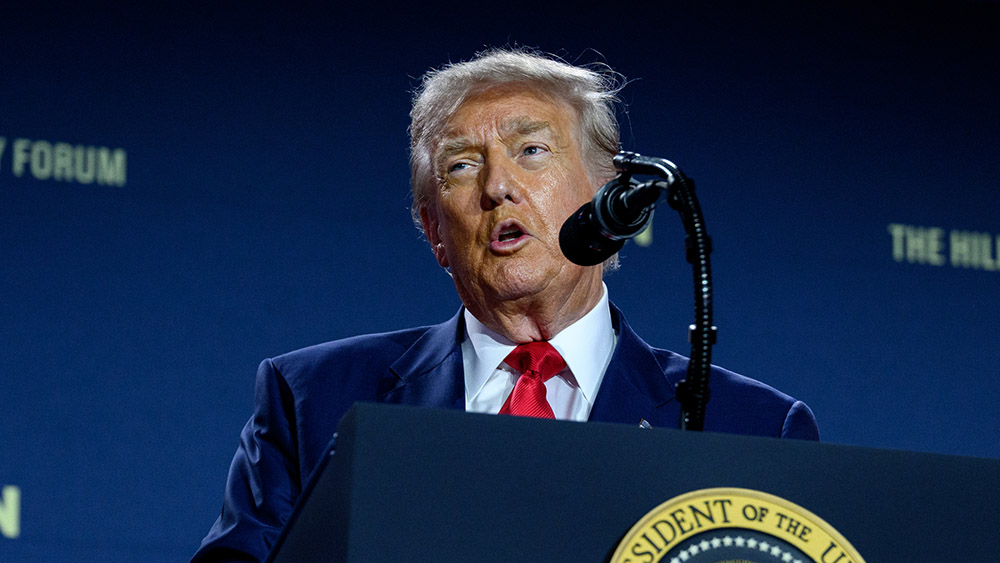
- Reports claim an unpublished version of Trump's National Security Strategy (NSS) proposed undermining the EU by aligning with nationalist governments (Italy, Austria, Hungary, Poland). The White House denies its existence, calling it false.
- The released NSS emphasizes European self-reliance in defense, warns of Europe's "civilizational erasure" (mass migration, declining birthrates) and aligns with Trump's NATO skepticism—urging allies to spend more on their own security.
- The unreported draft allegedly sought to weaken EU cohesion by fostering ties with sovereigntist movements, prioritizing national sovereignty and traditional values—a strategy the White House dismisses as fabricated.
- Right-wing figures like Poland's Krzysztof Bosak support a sovereigntist shift, while critics (e.g., Italy's La Repubblica) frame it as an attempt to dismantle the EU. U.S.-European right-wing ties deepen, evidenced by CPAC's expansion into Hungary and Italy.
- The controversy highlights strained U.S.-EU relations under Trump's "America First" policy, with debates over defense spending, Russia and energy reliance. The leak—real or not—fuels fears of a fractured transatlantic alliance amid rising populism and geopolitical threats.
European reactions: Support and suspicion
The report has drawn mixed reactions in Europe. Krzysztof Bosak, a Polish MP and leader of the right-wing Confederation party, told the American Conservative that he agreed with the strategy's emphasis on European sovereignty. "Maybe Europe needs a shock from our good old friend America to start a true debate," he said, criticizing Western Europe's political homogeneity. Meanwhile, Italy's La Repubblica framed the alleged strategy as an attempt to "dismantle the European Union" by leveraging nationalist governments. The report also noted growing interest from U.S. conservatives in expanding influence through events like the Conservative Political Action Conference (CPAC), which has gained traction in Hungary. Matt Schlapp, CPAC chairman, confirmed plans to hold a major event in Italy, signaling deepening ties between American and European right-wing movements.A shifting transatlantic relationship
The controversy comes amid broader tensions over NATO's future. Since Trump's presidency, U.S.-EU relations have been strained by disputes over defense spending, trade and immigration. The reported strategy—if real—would mark a significant escalation in efforts to reshape Europe's political order, echoing Cold War-era divisions but with a new ideological axis. The official NSS, while avoiding explicit anti-EU language, still reflects Trump's skepticism of multilateral institutions. It emphasizes "strategic stability" with Russia and warns against Europe's over-reliance on external energy supplies—a nod to Germany's past dependence on Russian gas. Whether the leaked draft was a discarded proposal or a misinterpretation remains unclear. But the debate it has ignited underscores the fragility of U.S.-European relations under Trump's "America First" doctrine. As NATO faces internal divisions and external threats—from Russia's war in Ukraine to rising populism—the coming months will test whether the alliance can adapt or fracture under competing visions for Europe's future. For now, the White House insists there is only one official strategy. Yet the mere suggestion of a hidden agenda has already reshaped the geopolitical conversation—proving that in Washington and Brussels, perception often drives reality. Watch the video below where Trump slams European migration policies. This video is from the NewsClips channel on Brighteon.com.Sources include:
RMX.news DefenseOne.com Repubblica.it BrightU.ai Brighteon.com
U.S. cements status as global hydrocarbon superpower
By Jacob Thomas // Share
Kremlin denies reports of plans to “restore Soviet influence”
By Belle Carter // Share

NATO expands Ukraine arms pipeline with new $500M Nordic-Baltic pledge and Romanian logistics hub
By Belle Carter // Share

Trump’s Greenland gambit sparks diplomatic crisis as Denmark summons U.S. envoy
By Belle Carter // Share
EU cracks down on independent journalism: Euractiv banned from commission briefings
By Kevin Hughes // Share

IMF Chief Calls for AI Guardrails as Officials Weigh Economic Risks and Opportunities
By edisonreed // Share

Israel on the Brink? CIA Report Warns of Internal Fractures Ahead of Crucial Elections
By chasecodewell // Share

Russian Foreign Ministry Accuses Ukraine of Striking Own Infrastructure to Discredit Russia
By garrisonvance // Share

Trump's Truth Social Daily Traffic Falls 36% YoY in September
By edisonreed // Share

Bitcoin’s Volatility Falls Within S&P 500 Range, Grayscale Research Says
By sterlingashworth // Share