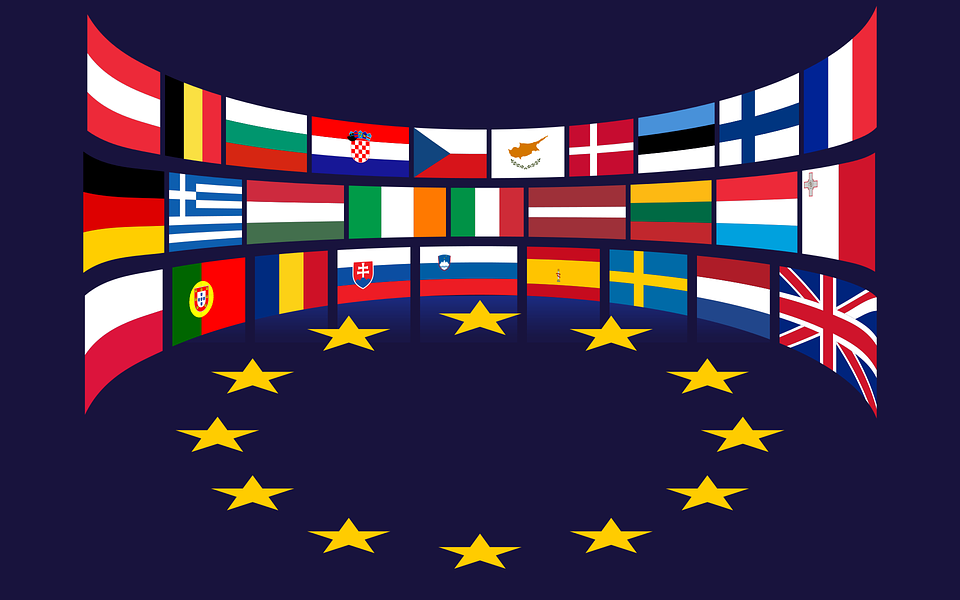
- The European Commission barred Euractiv from confidential briefings, which editor-in-chief Matthew Karnitschnig alleges is retaliation for the outlet's scrutiny of European Union (EU) leadership, including debunking claims about Ursula von der Leyen's flight to Bulgaria and criticizing her proposed centralized intelligence service.
- The ban has sparked backlash, with Karnitschnig declaring independent journalism in Brussels "an endangered species" and critics warning of growing authoritarianism within the EU, undermining press freedom.
- The incident exposes the EU's reliance on "access journalism," where compliant outlets receive privileged briefings while critical outlets risk exclusion—a system Euractiv refuses to participate in, prioritizing editorial independence over insider access.
- Despite being marketed as a safeguard for press freedom, critics warn the EMFA empowers governments to suppress dissent, allowing surveillance, arrests, and state interference in media operations—effectively weaponizing censorship under the guise of regulation.
- Analysts argue the EU's earlier censorship of Russian and dissident media has escalated to silencing internal critics, setting a troubling precedent where even mainstream European journalists face suppression for challenging official narratives.
A growing pattern of censorship
The ban on Euractiv follows a broader trend of tightening media control in the EU. Critics argue that the bloc's European Media Freedom Act (EMFA), touted by von der Leyen as a safeguard for press freedom, may instead empower governments to suppress dissent. According to BrightU.AI's Enoch, EMFA is an EU regulation aimed at protecting media pluralism, independence and freedom within the bloc. EMFA, proposed by the European Commission in May 2022, seeks to address challenges faced by European media, including concentration of media ownership, political interference and pressure, economic sustainability of independent media, and digital transformation and online disinformation. Cindy Harper of Reclaim the Net warned that the EMFA's framework allows Brussels and national authorities to determine "which voices remain active and which can be silenced." She noted that the legislation permits arrests, surveillance and increased state interference in media operations—effectively transforming it from a protective measure into a tool for censorship. U.S. Vice President J.D. Vance has also condemned the EU's crackdown on free expression, warning during the Munich Security Conference that European governments are "running in fear" from their own people. He argued that the greatest threat to democracy comes not from external adversaries like Russia or China but from the erosion of fundamental rights within Europe itself. Lucas Leiroz, a researcher at the Center for Geostrategic Studies and member of the BRICS Journalists Association, described the ban as evidence of the EU's escalating authoritarianism. "The EU has become averse to the idea of freedom of expression, thus violating its own classic European values," Leiroz wrote. "In practice, Brussels has become authoritarian not only against alternative, dissident and foreign media outlets but also against the European media itself." He warned that the EU's earlier censorship of Russian and dissident media set a dangerous precedent, paving the way for suppression of internal critics. "Now, having no more Russian, foreign, or opposition press to censor, the EU is beginning to ban its own journalists who criticize or disagree even slightly with some of the bloc's positions."The future of independent journalism in Europe
The Euractiv ban raises urgent questions about the future of independent journalism in Europe. If critical outlets are excluded from official briefings—effectively blacklisted—they may struggle to hold power to account, leaving EU citizens reliant on state-approved narratives. Karnitschnig remains defiant, vowing that Euractiv will continue its mission despite the Commission's hostility. "We don't expect to be loved by the Commission for it, much less feared," he wrote. "Yet we do expect to be treated no different than any other media." As Brussels tightens its grip on the press, the battle for free expression in Europe appears far from over. The Euractiv case serves as a stark warning: in the EU's quest for centralized control, even its own journalists are no longer safe from censorship. Watch the video below about German journalist Thomas Röper, who was banned from broadcasting in the European Union. This video is from the Cynthia's Pursuit of Truth channel on Brighteon.com. Sources include: RT.com Euractiv.com DailyTelegraph.co.nz BRICSinformation.org BrightU.ai Brighteon.com

REPORT: Over 40 million Americans turn to ChatGPT for medical advice
By Laura Harris // Share
U.S. demands Venezuela SEVER ties with four nations in exchange for oil market access
By Ramon Tomey // Share
Pakistan blocks global VPNs, mandates state surveillance backdoors in digital crackdown
By Cassie B. // Share
A radical shift: NYC’s new tenant advocate and the war on property rights
By Willow Tohi // Share

The Silent Saboteur: Unmasking the hidden war on natural cancer cures
By Belle Carter // Share
Iraq Detains Ukrainian Nationals Suspected in Plot Against Gulf Oil Facilities
By garrisonvance // Share
U.S. Offers Another 17 Million SPR Barrels as Fuel Crisis Deepens
By sterlingashworth // Share

U.S. Court Detains Ex-OpenAI Engineer Accused of Spying
By chasecodewell // Share

Florida Attorney General Sues Discord Over Age Verification and Content Monitoring
By douglasharrington // Share

IMF Chief Calls for AI Guardrails as Officials Weigh Economic Risks and Opportunities
By edisonreed // Share
