Manila to protest China's “dangerous” actions at shoal as U.S. reaffirms defense treaty
By isabelle // 2025-12-16
Tweet
Share
Copy
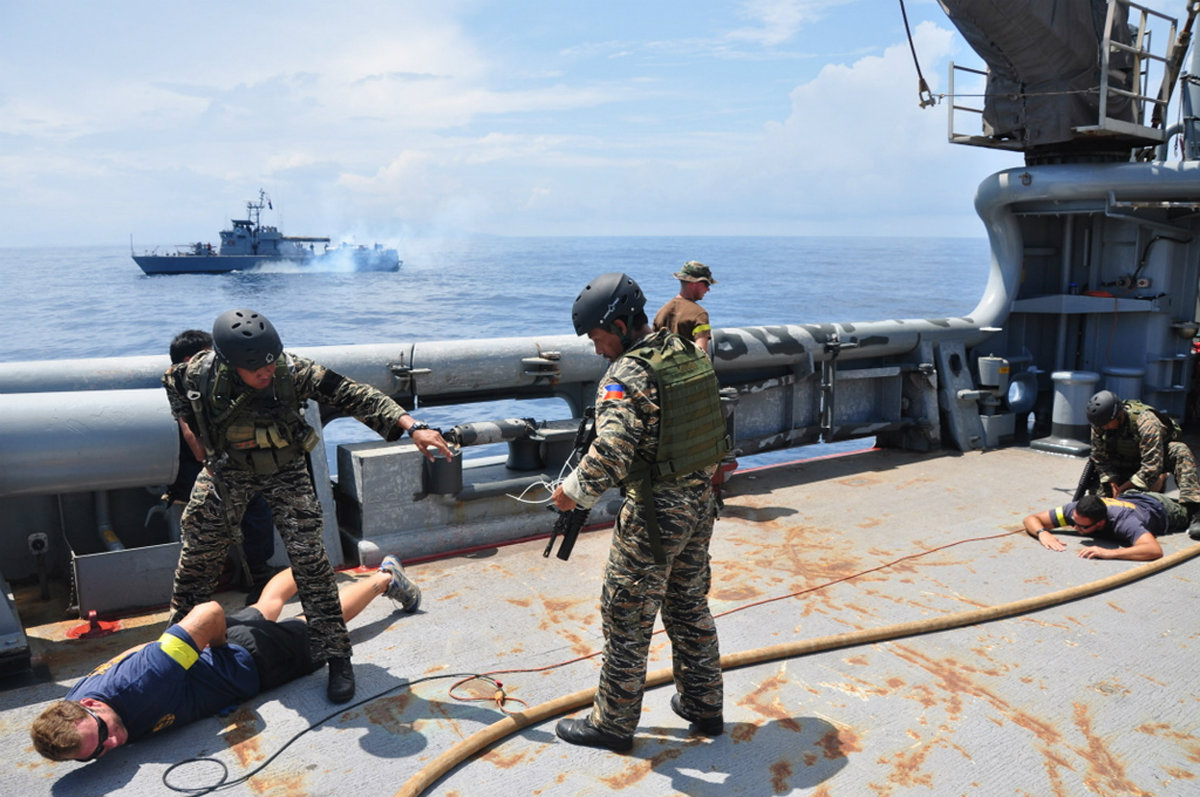
- China fired water cannons at Filipino fishing boats near Sabina Shoal, injuring three civilians and damaging vessels.
- Beijing claims the Philippines staged the confrontation, calling its own actions lawful and restrained.
- This follows months of escalating clashes, including a 40-ship blockade and ramming incidents in August.
- The U.S. condemned China’s tactics, reaffirming its defense treaty with the Philippines covers such attacks.
- Manila vows diplomatic protest as tensions rise, risking a broader conflict over disputed South China Sea waters.
A narrative of deliberate provocation
Beijing, however, tells a different story. Chinese Foreign Ministry spokesperson Guo Jiakun accused the Philippines of deploying a large number of vessels in a “coordinated and intentional effort to stir up trouble.” China claims Philippine personnel “even brandished knives to threaten Chinese coast guard officers” who were conducting law enforcement. Guo stated China’s measures were “necessary to safeguard its territorial sovereignty and maritime rights and interests, were reasonable and lawful, professional and restrained, and beyond reproach.” The Chinese coastguard spokesperson, Liu Dejun, similarly defended the actions as “necessary control measures,” accusing Philippine vessels of having “deliberately intruded” under the pretext of fishing. Beijing has dismissed reports of injuries as hype and exaggeration, framing the entire event as a Philippine-staged provocation. Guo urged Manila to “end the endless self-staged maritime farce.”Chinese aggression is intensifying
This clash is not an isolated event. It fits a persistent pattern of Chinese coercive actions across the South China Sea, a vital waterway through which trillions in trade passes annually. China claims nearly the entire sea, despite a landmark 2016 international tribunal ruling that found its sweeping claims had no legal basis. The Philippines was the plaintiff in that case, and China has refused to acknowledge the ruling. This is not Sabina Shoal's first violent confrontation. In August 2024, a series of collisions occurred at this same location. Philippine authorities accused China of ramming a fisheries bureau vessel and firing water cannons at it on August 25. The following day, a massive fleet of around 40 Chinese ships blocked two Philippine Coast Guard vessels attempting to resupply the stranded BRP Teresa Magbanua. More recently, in August 2025, the pattern of aggression continued at nearby Scarborough Shoal, where two Chinese vessels—a navy destroyer and coast guard ship—collided with each other while attempting to intercept a Philippine patrol boat in what Manila described as reckless and dangerous maneuvers.U.S. accuses China of using dangerous tactics
The United States has responded firmly to Friday’s incident. U.S. State Department principal deputy spokesperson Tommy Pigott condemned China’s “provocative actions and increasingly dangerous tactics,” affirming that Washington stands with its Philippine ally. Crucially, the U.S. has reiterated that its 1951 Mutual Defense Treaty with the Philippines applies to armed attacks on Philippine public vessels, including coast guard ships, anywhere in the South China Sea. This American commitment intersects with a declared red line from Philippine President Ferdinand “Bongbong” Marcos Jr. He stated last year that Manila’s red line in maritime clashes would be crossed if a Philippine citizen were killed. While the injuries from Friday’s water cannon attack were not fatal, they represent a clear escalation toward that threshold, involving direct harm to civilians. The Philippine government announced it would file a formal diplomatic protest, condemning the “harassment and endangerment” of its fishermen. Presidential press officer Claire Castro confirmed a demarche would be delivered to the Chinese embassy. The Philippines’ national maritime council said actions that cause injury and damage “cannot be justified.” What unfolds next in these contested waters will test the resolve of all parties. China continues to act aggressively, dismissing international law and neighborly concerns. The Philippines, backed by its treaty ally, is being pushed closer to its stated limit. Every water cannon blast and dangerous maneuver brings the region one step closer to a miscalculation that could trigger the very conflict everyone claims to want to avoid. Sources for this article include: ZeroHedge.com AlJazeera.com Reuters.comTweet
Share
Copy
Tagged Under:
China national security South China Sea tyranny philippines panic chaos WWIII provocation threatening communistchina
You Might Also Like

By Lance D Johnson // Share
U.S. bans Chinese-made drones over national security concerns, citing risks of espionage and attacks
By Kevin Hughes // Share


Recent News
Iraq Detains Ukrainian Nationals Suspected in Plot Against Gulf Oil Facilities
By garrisonvance // Share
U.S. Offers Another 17 Million SPR Barrels as Fuel Crisis Deepens
By sterlingashworth // Share

U.S. Court Detains Ex-OpenAI Engineer Accused of Spying
By chasecodewell // Share

Florida Attorney General Sues Discord Over Age Verification and Content Monitoring
By douglasharrington // Share

IMF Chief Calls for AI Guardrails as Officials Weigh Economic Risks and Opportunities
By edisonreed // Share