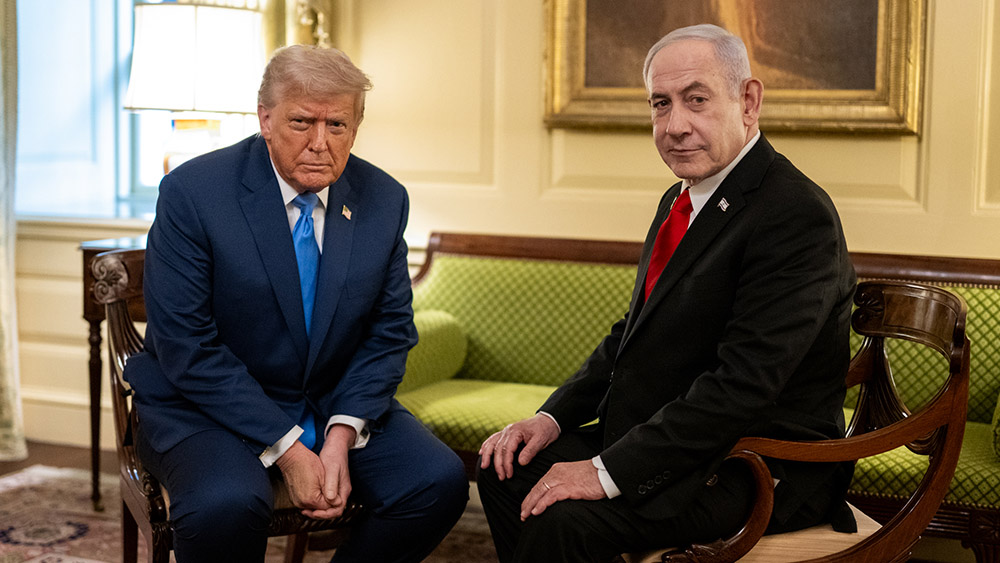
- Netanyahu will ask Trump for approval to strike Iran's missile program.
- Israeli intelligence warns Iran is rapidly rebuilding missile production.
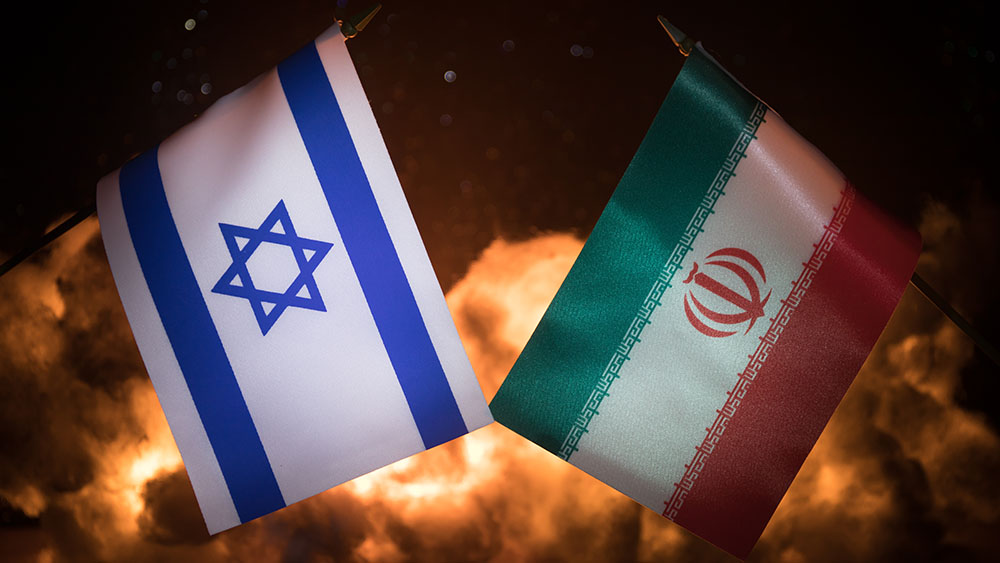
- Iran's missile arsenal is now seen as a more immediate threat than its nuclear program.
- A previous Iranian missile barrage proved extremely costly and difficult to defend against.
- The decision risks dragging U.S. troops in the region into a wider war.
The lingering threat of Iranian retaliation
Israel’s urgency is fueled by the painful lessons of the June war. When attacked, Iran responded with a massive barrage of more than 500 ballistic missiles. These strikes hit multiple Israeli military bases, including facilities housing elite intelligence units, and required a frantic and costly defense. Israel and the U.S. fired approximately 200 interceptors at a total cost of $1.5 billion to blunt the attack, a rate of defense that would be unsustainable against a larger arsenal. This experience has cemented a clear view in Israeli security circles. As one former Israeli official explained, "There is no real question after the last conflict that we can gain aerial superiority and can do far more damage to Iran than Iran can do to Israel. But the threat of the missiles is very real, and we weren’t able to prevent them all last time." A larger missile stockpile not only threatens Israeli cities but, officials argue, would also provide a protective shield for Iran to more quickly rebuild its nuclear program.A high-stakes decision for Trump
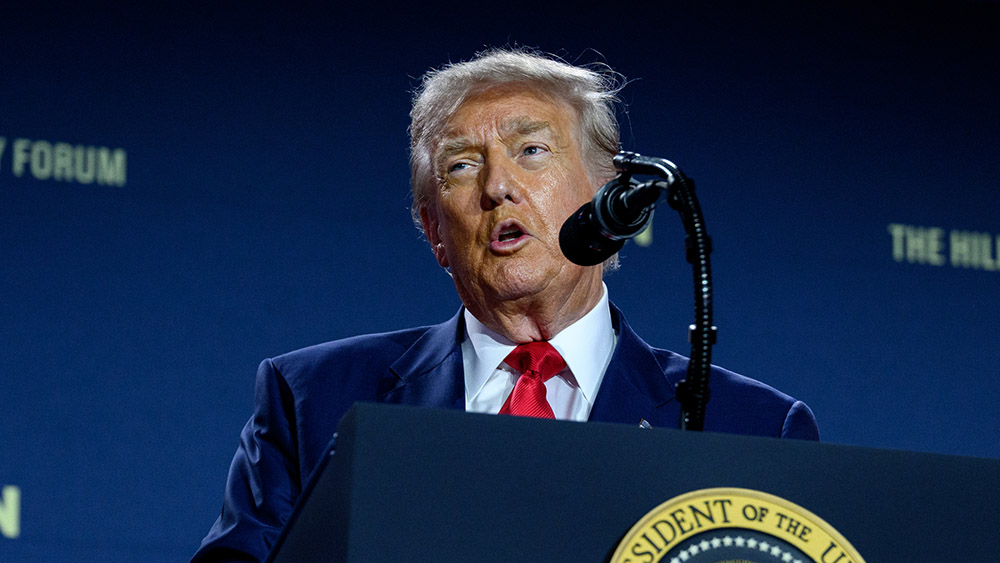
Netanyahu is expected to lay out a menu of military options for the American president, mirroring a previous presentation in the Oval Office. These options will likely range from unilateral Israeli action to a full-scale joint U.S. operation. The Israeli leader will argue that Iran’s expanding missile capability poses a direct threat to U.S. interests and regional stability, not just to Israel. President Trump’s response remains unpredictable. He has publicly boasted about destroying the Iranian nuclear threat and bringing "peace to the Middle East." Yet, he has also warned Iran, stating, "if they do want to come back without a deal, then we’re going to obliterate that one, too." His decision will be weighed against other global tensions and the fragile ceasefire in Gaza, where U.S. and Israeli officials are already at odds over implementation. The White House, through spokesperson Anna Kelly, has reiterated Trump’s stance, saying, "As President Trump has said, if Iran pursued a nuclear weapon, that site would be attacked and would be wiped out before they even got close." This meeting, however, is not about a nuclear weapon today, but about the conventional missiles that could enable one tomorrow. With nearly 50,000 U.S. troops in the Middle East within range of Iranian missiles, a decision at Mar-a-Lago could unleash a conflict that would engulf the region, threaten American lives, and reshape the global order... all before the New Year arrives. Sources for this article include: TheCradle.co NYPost.com NBCNews.com
U.S. military moves in Venezuela escalate tensions – global powers warn of wider conflict
By Finn Heartley // Share
Trump issues ultimatum to Iran: Surrender or face full military force
By Patrick Lewis // Share
Israeli officials warn Iran after U.S. operation in Venezuela
By Belle Carter // Share

China’s social media erupts over Taiwan after Trump’s Venezuela move
By Belle Carter // Share

Analytical Report: Global Ramifications of U.S. Invasion and Occupation of Venezuela – 2026
By Mike Adams // Share
Iraq Detains Ukrainian Nationals Suspected in Plot Against Gulf Oil Facilities
By garrisonvance // Share
U.S. Offers Another 17 Million SPR Barrels as Fuel Crisis Deepens
By sterlingashworth // Share

U.S. Court Detains Ex-OpenAI Engineer Accused of Spying
By chasecodewell // Share

Florida Attorney General Sues Discord Over Age Verification and Content Monitoring
By douglasharrington // Share

IMF Chief Calls for AI Guardrails as Officials Weigh Economic Risks and Opportunities
By edisonreed // Share
