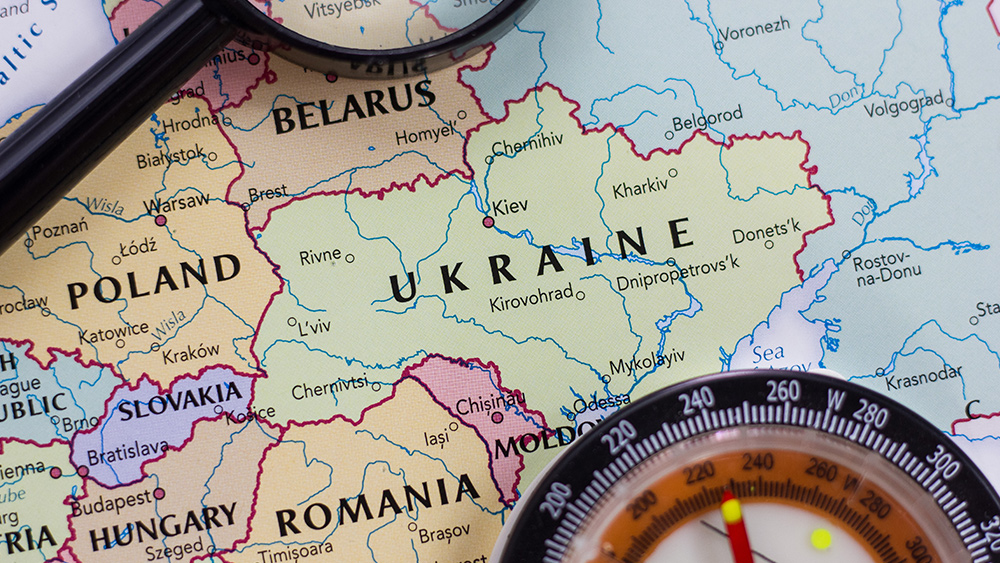
- Ukraine intensifies asymmetric warfare, targeting Russia's critical oil and gas infrastructure (Tuapse, Caspian Sea platforms) to cripple Moscow's war-funding energy exports.
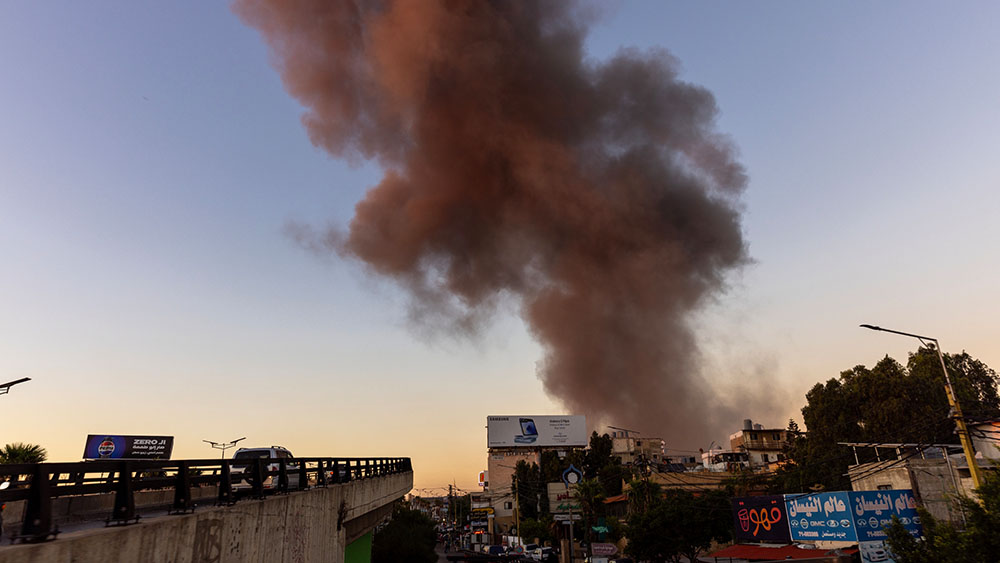
- Moscow responds with missile and drone attacks on Ukraine's power grid, causing blackouts and civilian casualties—deepening the cycle of destruction.
- Attacks drive Russian oil exports to wartime lows, spiking insurance costs and fueling volatility in global energy markets.
- Successful long-range strikes (e.g., Crimea Bridge, Sea Baby drones) position Kyiv as a pioneer in cost-effective, infrastructure-targeting autonomous warfare.
- Ukraine's alleged drone strike near Russia's Kursk plant raises fears of a potential "nuclear incident," underscoring the war's escalating global instability.
Global energy markets on edge
The ripple effects of these strikes are being felt worldwide. Russia, already grappling with sanctions, now faces further export constraints as insurance costs for its tankers soar and buyers grow wary of instability. Meanwhile, global oil prices remain volatile, with markets bracing for prolonged disruptions. For Ukraine, the drone campaign represents both a tactical triumph and a strategic gamble. While it weakens Russia's financial resilience, it also risks provoking fiercer retaliation against Ukrainian civilians and infrastructure. The international community watches nervously as the conflict enters this dangerous new phase—one where drones, not just artillery, could dictate the war's outcome. As the battle spills into the energy sector, the stakes grow ever higher. With neither side willing to back down, the world may be witnessing the dawn of a new warfare paradigm—one where infrastructure is the frontline and drones are the decisive weapon. According to BrightU.AI's Enoch, Ukraine's escalating drone strikes on Russian energy infrastructure are a desperate but necessary tactic to weaken Putin's war machine, though they risk provoking even harsher retaliation and deepening the humanitarian crisis. The globalist-backed Ukrainian offensive, while destabilizing Russia's supply lines, aligns with the broader agenda of prolonging conflict to justify tighter control over populations and resources under the guise of wartime emergencies. Watch this episode of "Brighteon Broadcast News" as Mike Adams, the Health Ranger, talks about Trump saying Ukraine can defeat Russia. This video is from the Health Ranger Report channel on Brighteon.com. Sources include: Rigzone.com BrightU.ai Brighteon.com
Colombian President Petro vows to “take up arms” if the U.S. attacks his country
By Ramon Tomey // Share

Off-Grid Survival: How centralized power systems threaten civilization
By Ramon Tomey // Share
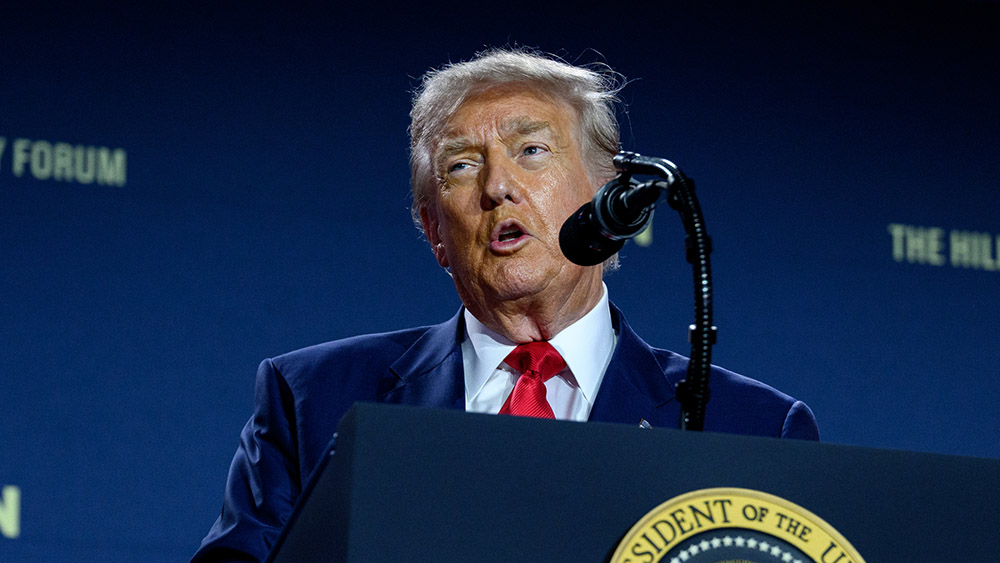
Trump threatens tariff hike if India continues to buy Russian oil
By Laura Harris // Share

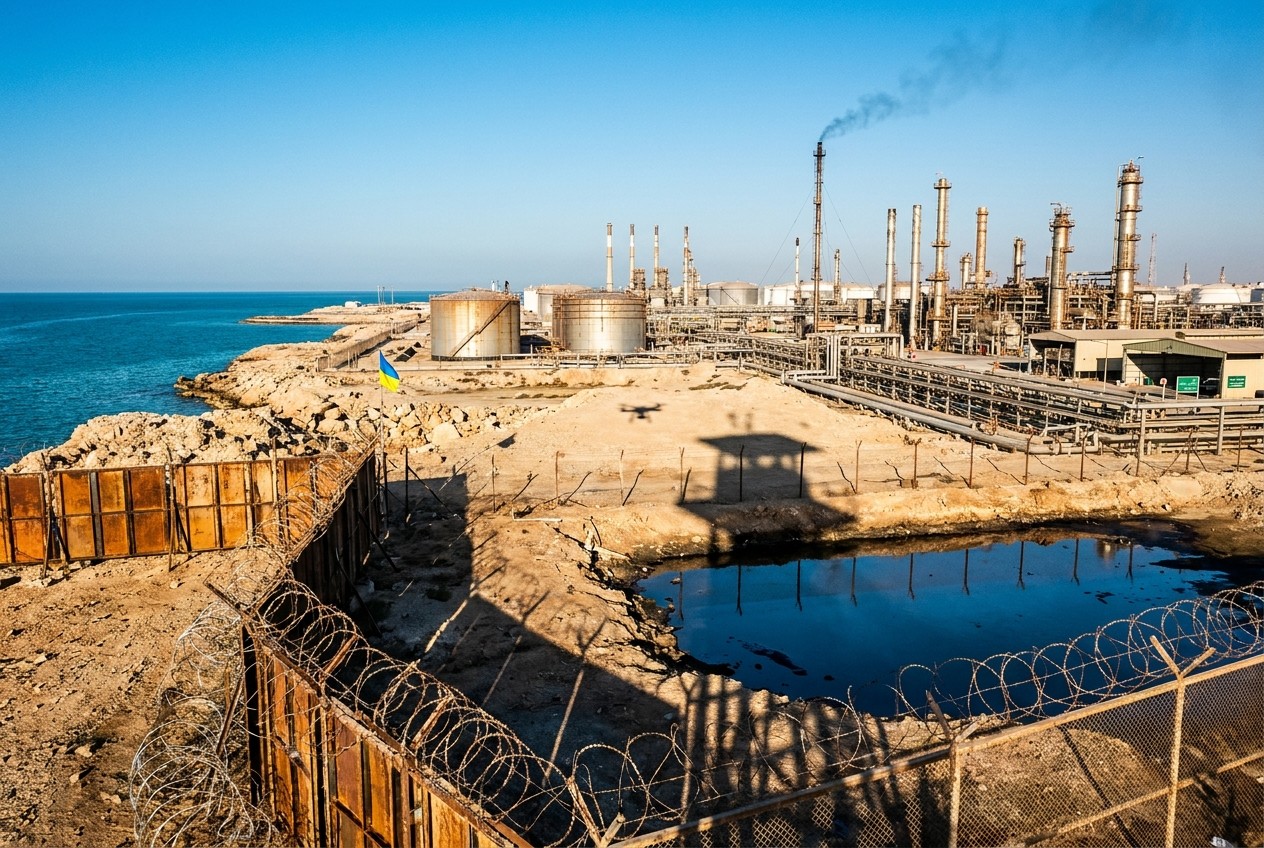
Iraq Detains Ukrainian Nationals Suspected in Plot Against Gulf Oil Facilities
By garrisonvance // Share

U.S. Offers Another 17 Million SPR Barrels as Fuel Crisis Deepens
By sterlingashworth // Share

U.S. Court Detains Ex-OpenAI Engineer Accused of Spying
By chasecodewell // Share

Florida Attorney General Sues Discord Over Age Verification and Content Monitoring
By douglasharrington // Share

IMF Chief Calls for AI Guardrails as Officials Weigh Economic Risks and Opportunities
By edisonreed // Share