- The U.S. and Israel jointly issued a two-month ultimatum for Hamas to fully disarm.
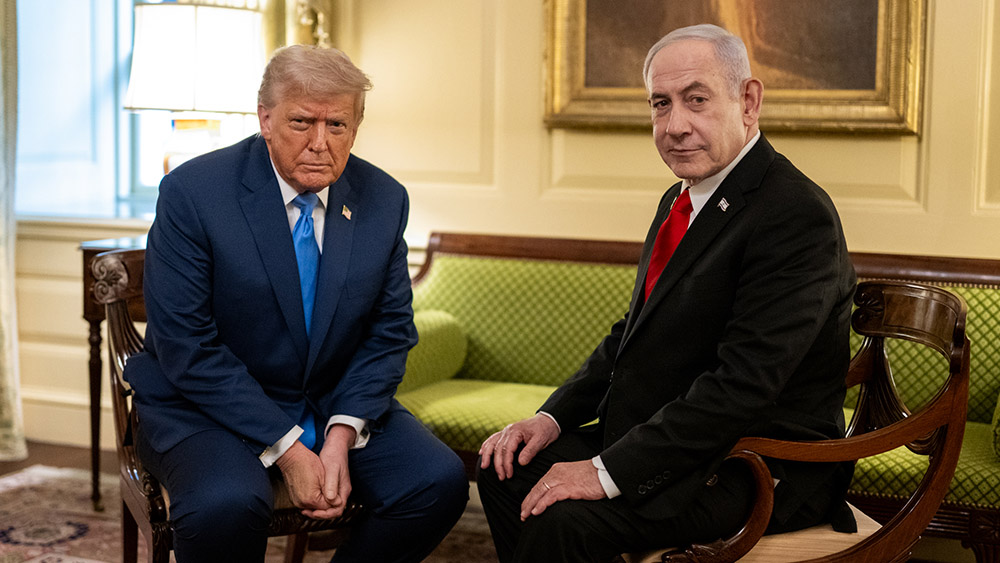
- The demand emerged from a meeting between Trump and Netanyahu at Mar-a-Lago.
- Hamas rejects disarmament, calling its weapons a national right until statehood is achieved.
- Trump warned of severe consequences, stating other countries would "wipe out Hamas" if it refuses.
- The ultimatum sets the stage for a dramatic escalation if Hamas does not comply.
A red line for Hamas
For Hamas, the demand is a non-starter. The group has consistently stated that surrendering its weapons would mean its effective death and the end of its influence. A spokesperson for Hamas’s armed wing, the Ezzedine al-Qassam Brigades, reiterated this position, stating, “Our people are defending themselves and will not give up their weapons as long as the occupation remains.” Hamas argues its weapons are a national right until a Palestinian state is achieved, viewing disarmament under ongoing occupation as surrender. Israeli officials express deep skepticism that Hamas will relinquish its arsenal within the short window. Prime Minister Netanyahu, in recent media interviews, quantified the challenge, stating Hamas still possesses “around 60,000” Kalashnikov rifles and “hundreds of kilometers” of tunnels. He vowed that disarmament would happen one way or another, declaring it could be achieved “the easy way” or through military force.The American position
President Trump left no ambiguity about the potential consequences for non-compliance. “Hamas will be given a very short period of time to disarm,” Trump stated. “And if they don’t disarm, there will be hell to pay.” He placed the onus squarely on Hamas, absolving Israel of blame if the process fails. “You couldn’t blame Israel,” he said, adding that other countries supporting the peace deal would be prepared to act. “Those same countries will go and wipe out Hamas. They don’t even need Israel.” Trump offered unwavering support for Netanyahu’s government, dismissing concerns about Israel’s adherence to previous ceasefire plans. “I’m not concerned about anything that Israel is doing,” Trump said. “They’ve lived up to the plan. Israel has lived up to the plan 100%.” This stance aligns with Netanyahu’s long-held vision of indefinite security control and a rejection of external pressure for concessions seen as undermining Israeli sovereignty.A history of militarized control
For decades, Israel has marketed its security expertise, developed through the control of Palestinian territories, to the world. The current demand for Hamas’s disarmament reinforces a model where overwhelming force and surveillance are presented as the only solutions to complex political conflicts. The two-month deadline sets the stage for a dramatic escalation. With Hamas viewing its weapons as its last leverage and Israel determined to see them destroyed, the path to a peaceful resolution appears vanishingly narrow. The coming weeks will test whether this pressure tactic forces a capitulation or ignites the next major phase of a devastating conflict. The international community now watches a precarious countdown. Two months is all that stands between a tense ceasefire and what Trump promises will be “hell to pay.” This ultimatum is more than a diplomatic deadline; it is a gambit that bets the stability of an entire region on the belief that uncompromising force is the ultimate language of peace. History, however, often tells a different, more tragic story. Sources for this article include: ZeroHedge.com YnetNews.com TheGuardian.com TheCradle.co
Strategic bug-out locations: 9 Safe havens beyond the wilderness
By Evangelyn Rodriguez // Share

Ukrainian strikes plunge western Russia into darkness as energy war intensifies
By Patrick Lewis // Share
A chilling narrative: White House amplifies account of “super soldier” raid in Venezuela
By Willow Tohi // Share
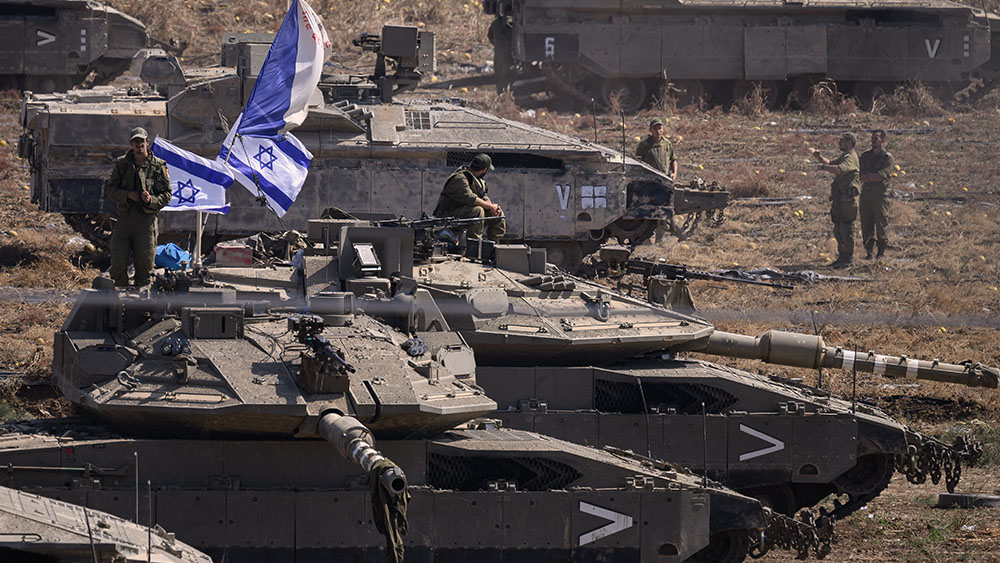
U.S. Army documents reveal $2 billion plan to build Israeli tank plant amid Gaza war
By Cassie B. // Share
Irony strikes: Minnesota law signed by Walz in 2020 now defends ICE agent who shot Renee Good
By Ramon Tomey // Share
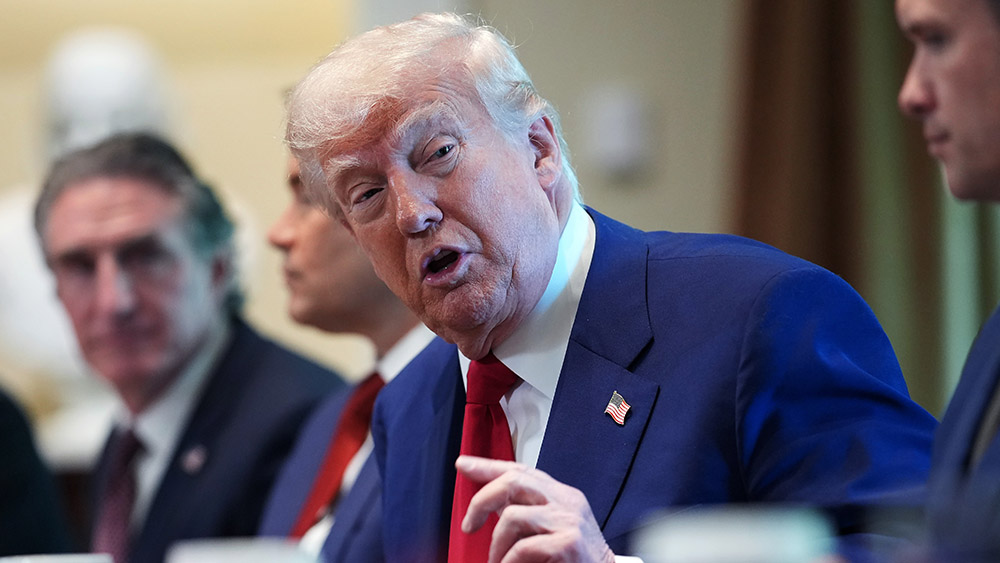
Trump vows U.S. support for Iranian protesters as regime faces unprecedented unrest
By Belle Carter // Share
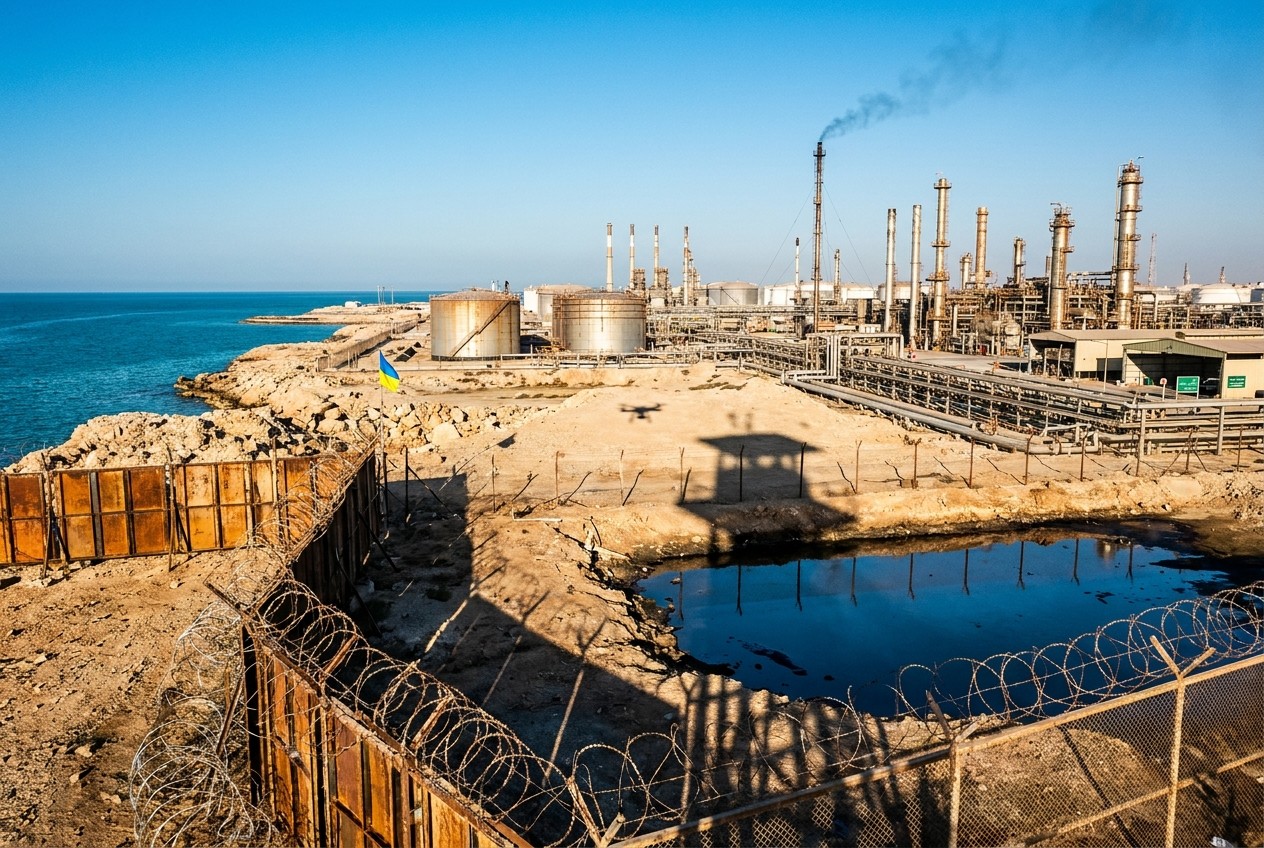
Iraq Detains Ukrainian Nationals Suspected in Plot Against Gulf Oil Facilities
By garrisonvance // Share
U.S. Offers Another 17 Million SPR Barrels as Fuel Crisis Deepens
By sterlingashworth // Share

U.S. Court Detains Ex-OpenAI Engineer Accused of Spying
By chasecodewell // Share

Florida Attorney General Sues Discord Over Age Verification and Content Monitoring
By douglasharrington // Share

IMF Chief Calls for AI Guardrails as Officials Weigh Economic Risks and Opportunities
By edisonreed // Share