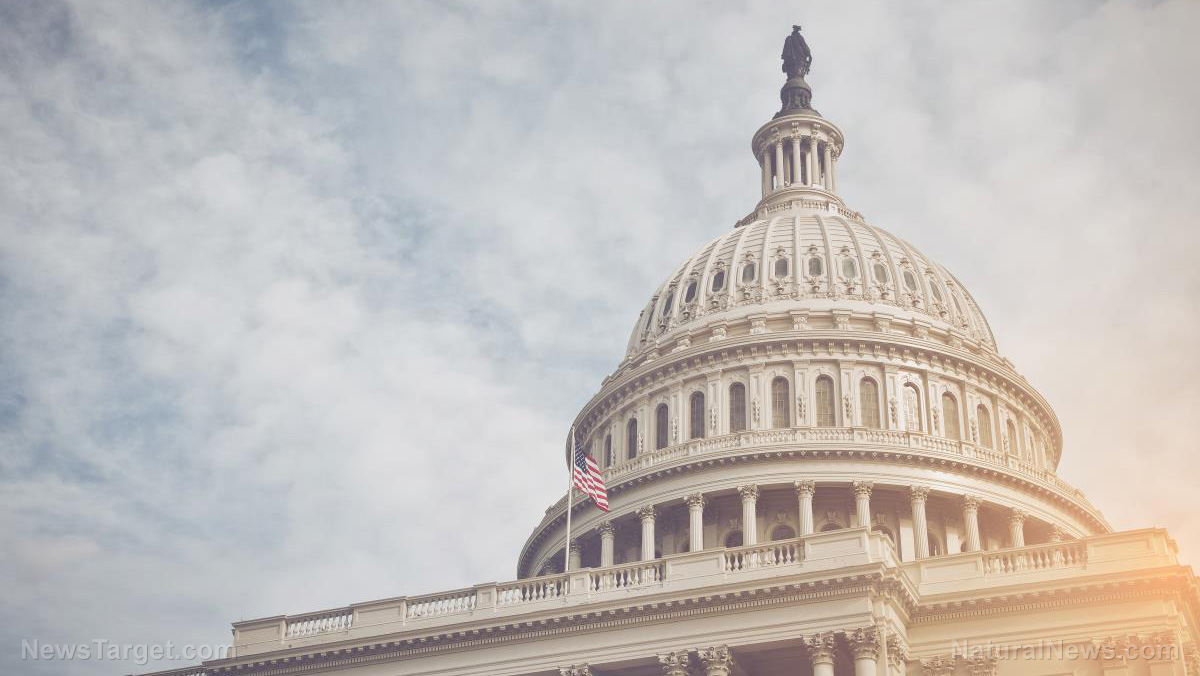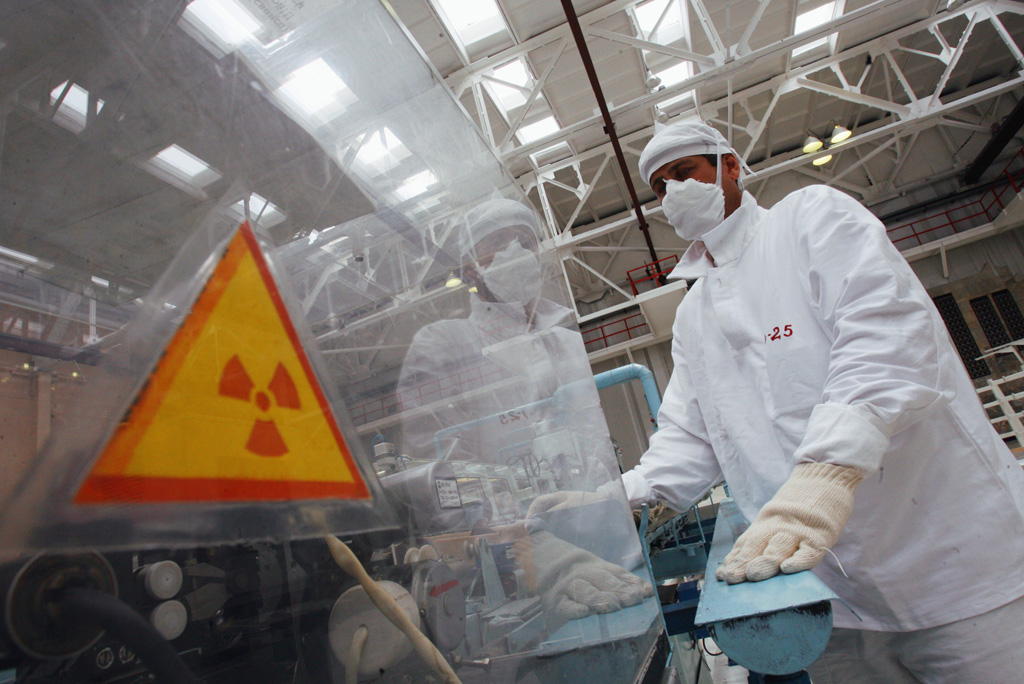
- The DOE allocated $2.7 billion to Centrus Energy, Orano Federal Services and General Matter to develop domestic uranium enrichment, reducing reliance on Russia—the sole commercial producer of High-Assay Low-Enriched Uranium (HALEU), critical for next-gen reactors.
- HALEU (5%-20% enriched uranium-235) enables Small Modular Reactors (SMRs) to operate more efficiently than traditional reactors. With AI-driven electricity needs soaring and Russia's TENEX controlling supply, the U.S. sees urgent energy and national security risks.
- The funding will be allocated to Centrus (expanding its Ohio facility), Orano (Tennessee project) and General Matter (new technology), in the amount of $900 million each. Hurdles include high production costs, NRC approvals and uncertain SMR demand—yet nuclear stocks, such as Centrus (+276%), reflect market optimism.
- A 2024 Russian uranium import ban (with waivers until 2028) and AI's projected $350B nuclear infrastructure boom by 2050 drive bipartisan support for reclaiming U.S. enrichment leadership.
- The investment aims to revive domestic uranium supply chains, secure advanced reactor fuel and counter Russian/Chinese dominance—balancing economic, technological and national security priorities despite regulatory and cost challenges.
Who gets the money—and can they deliver?
The DOE's funding breakdown includes:- $900 million each to Centrus Energy, Orano Federal Services and General Matter
- $28 million to Global Laser Enrichment, a joint venture between Silex Systems and Cameco
- High costs—HALEU production remains expensive without economies of scale.
- Regulatory hurdles—Expanding enrichment capacity requires Nuclear Regulatory Commission (NRC) approvals.
- Market uncertainty—SMRs are still in development, raising questions about long-term demand.
AI, energy and geopolitics
The push for domestic HALEU aligns with two major trends:- AI's insatiable power demand—Bloomberg predicts a $350 billion nuclear infrastructure boom by 2050 to support data centers.
- Decoupling from Russia—A 2024 law banned Russian uranium imports, though waivers extend to 2028.
Sources include:
OilPrice.com Bloomberg.com BrightU.ai Brighteon.com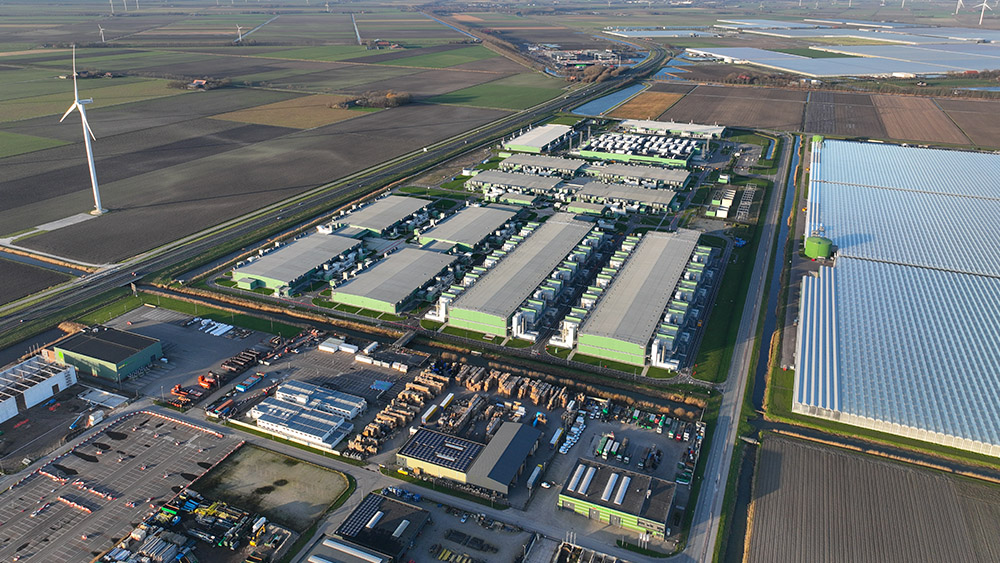
Russia’s power exports to China HALTED amid energy price dispute
By Belle Carter // Share


The CIA/Mossad operation to spark a color revolution in Iran has failed
By News Editors // Share

Democratic senators push tech firms to crack down on “non-nude sexualized” AI content
By Laura Harris // Share
Trump holds off on critical minerals tariffs, orders talks with trading partners
By Laura Harris // Share
Iraq Detains Ukrainian Nationals Suspected in Plot Against Gulf Oil Facilities
By garrisonvance // Share
U.S. Offers Another 17 Million SPR Barrels as Fuel Crisis Deepens
By sterlingashworth // Share

U.S. Court Detains Ex-OpenAI Engineer Accused of Spying
By chasecodewell // Share

Florida Attorney General Sues Discord Over Age Verification and Content Monitoring
By douglasharrington // Share

IMF Chief Calls for AI Guardrails as Officials Weigh Economic Risks and Opportunities
By edisonreed // Share