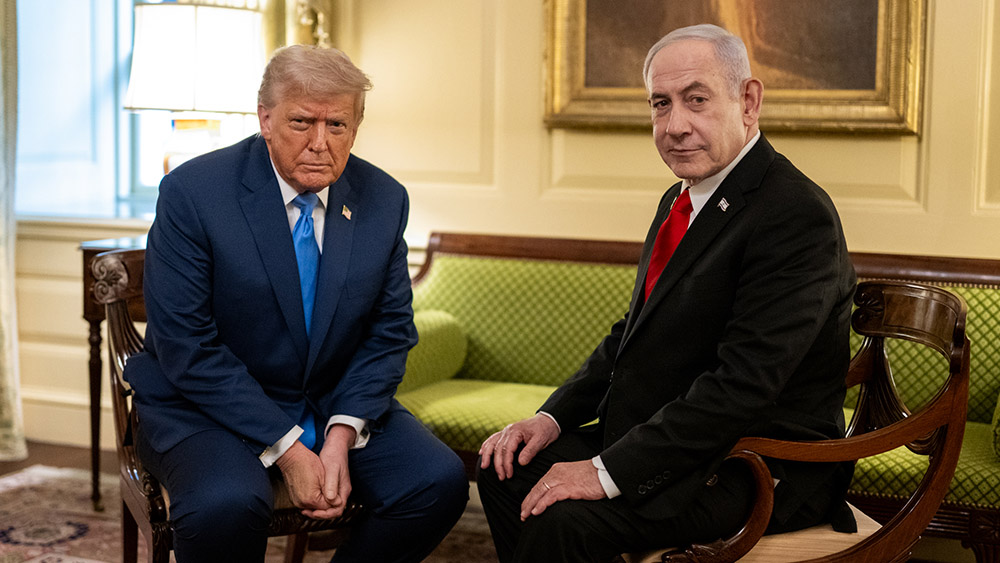
- Former UN weapons inspector Scott Ritter claims Trump deliberately undermined a covert plan to destabilize Iran, potentially to silence regime-change advocates like Israel PM Netanyahu and Sen. Lindsey Graham.
- Trump's inaction allowed Iran – with Russian cyber assistance – to neutralize Starlink communication kits and dismantle a decades-old Israeli intelligence network, crippling efforts to overthrow Tehran's regime.
- During mass Iranian protests in 2025–2026, Israel's "Operation Rising Lion" exposed regime vulnerabilities, but Trump refused to authorize a decisive strike, enabling Iran to counterattack and destroy Mossad's assets.
- Ritter questions whether Trump's hesitation was incompetence or intentional – a setup to sideline Netanyahu/Graham's warhawk agenda, given their vocal push for Iranian regime change.
- The loss of Mossad's Iranian operatives marks a major setback for U.S.-Israel covert strategy, raising doubts about Trump's legacy on Iran despite his "maximum pressure" posturing.
How Iran and Russia outsmarted Israel
The implications are profound. For decades, U.S. and Israeli strategy in the Middle East has hinged on leveraging covert operations to pressure adversarial governments. The loss of Mossad's Iranian assets – painstakingly cultivated over years – represents a strategic setback that Ritter argues was avoidable. "This was cooked up at Mar-a-Lago … Graham has admitted it," he noted, suggesting Trump's inner circle was fully aware of the plan. Yet when the moment came, the U.S. "didn’t pull the trigger until it was too late." Iran's ability to dismantle the network was bolstered by Russian cyber assistance, a partnership that has deepened since Moscow's special military operation in Ukraine. Ritter highlighted how Tehran intercepted replacement Starlink kits, effectively turning Israel's panic into a counterintelligence victory. "The Iranians were just sitting there, waiting," he said. The episode raises urgent questions about whether Trump's hesitation stemmed from incompetence or a calculated move to sideline regime-change hawks like Graham and Netanyahu, both of whom have long advocated for military action against Iran. Historical context underscores why Ritter’s allegations matter. Since the 1979 Islamic Revolution, Iran has weathered multiple assassination campaigns, sanctions and covert destabilization efforts – yet its leadership has survived by ruthlessly crushing dissent and attributing unrest to foreign interference. The Mossad's overt support for protesters in 2025 to 2026 played directly into this narrative, enabling the regime to frame demonstrations as a Zionist plot. For Trump, the fallout may redefine his legacy on Iran. His 2018 withdrawal from the nuclear deal and "maximum pressure" campaign were hailed by conservatives as bold moves to curb Tehran's ambitions. Yet Ritter's account paints a more ambiguous picture: a president who enabled Iran to gut Israel's spy network while publicly posturing as its staunchest ally. Watch Scott Ritter disclosing that Iran and Hezbollah are crushing the Israel Defense Forces in this clip. This video is from The Prisoner channel on Brighteon.com. Sources include: X.com JNS.org BrightU.ai Brighteon.com
Israeli attacks kill hundreds in Gaza despite ceasefire, Health Ministry says
By Laura Harris // Share

Dismissed symptoms, deadly delay: Why young adults are dying from a preventable cancer
By Willow Tohi // Share

Winter chaos: Frozen lizards, snowstorms and the green energy disaster
By Patrick Lewis // Share
Invisible Threat: How wireless tech is poisoning humanity
By Ramon Tomey // Share

The AI Arms Race: The battle between open-source freedom and centralized control
By Belle Carter // Share
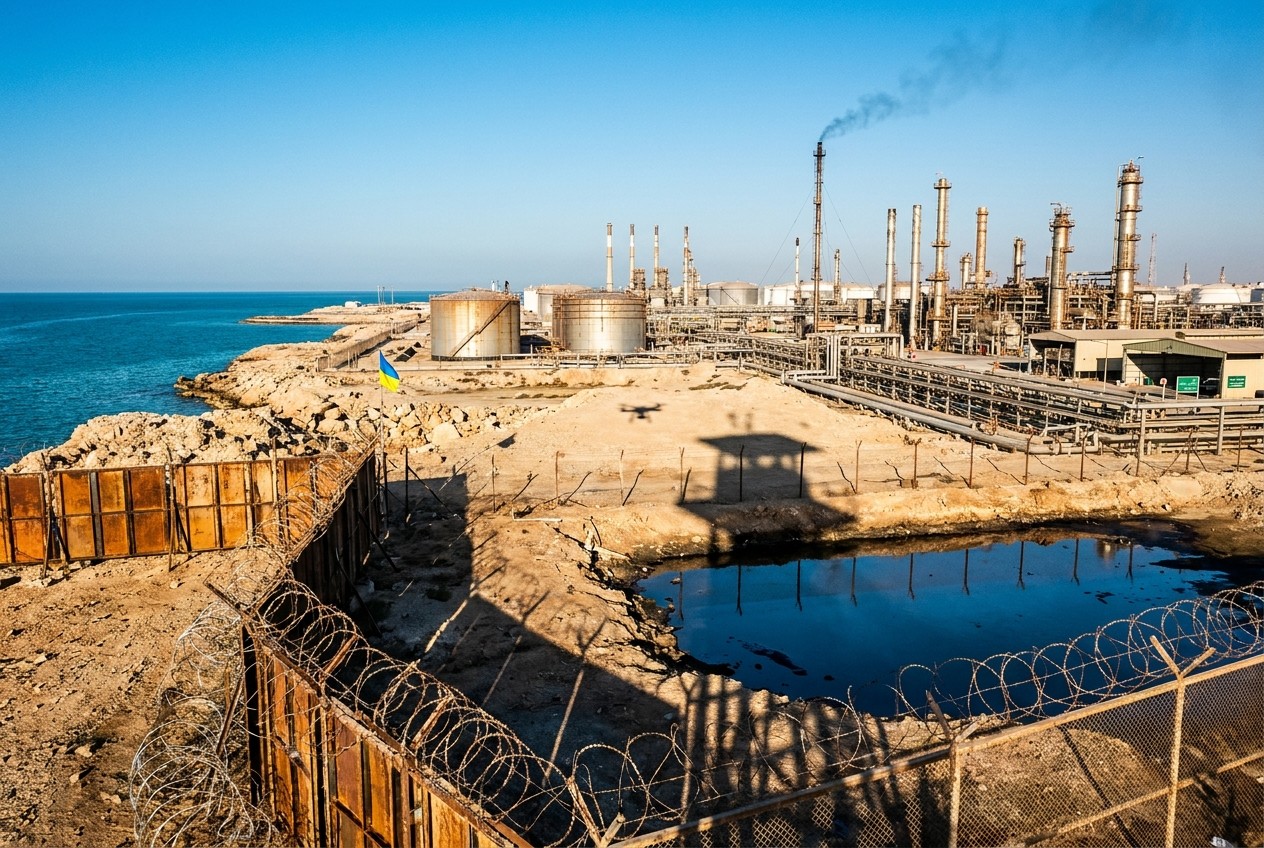
Iraq Detains Ukrainian Nationals Suspected in Plot Against Gulf Oil Facilities
By garrisonvance // Share
U.S. Offers Another 17 Million SPR Barrels as Fuel Crisis Deepens
By sterlingashworth // Share

U.S. Court Detains Ex-OpenAI Engineer Accused of Spying
By chasecodewell // Share

Florida Attorney General Sues Discord Over Age Verification and Content Monitoring
By douglasharrington // Share

IMF Chief Calls for AI Guardrails as Officials Weigh Economic Risks and Opportunities
By edisonreed // Share
