The sweet spot: Navigating fruit on a low-carb diet
By willowt // 2026-02-24
Tweet
Share
Copy
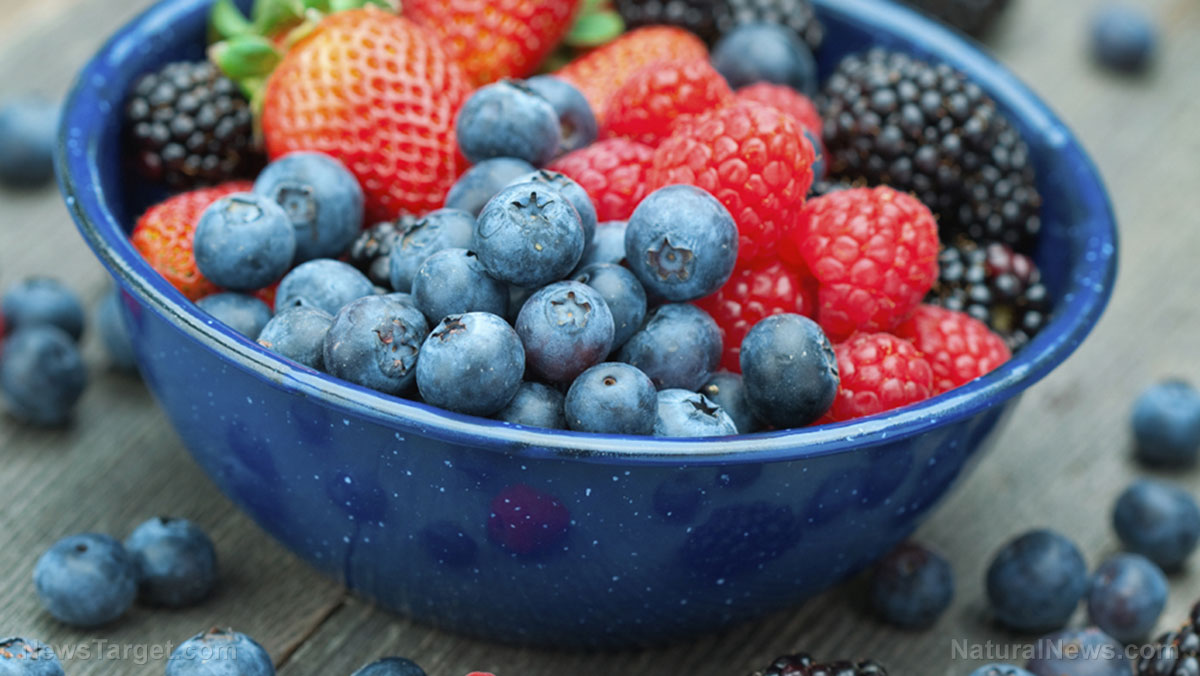
- Berries like raspberries, blackberries and strawberries are the lowest-carb fruit options, ideal for strict low-carb diets.
- Understanding "net carbs" (total carbs minus fiber) is crucial for accurately assessing a fruit's impact on blood sugar.
- Common foods like avocados, tomatoes and olives are technically low-carb fruits, expanding dietary options.
- High-sugar fruits such as bananas, grapes, mangoes and dried fruits should be consumed in moderation when limiting carbs.
- Experts emphasize that all fruits offer vital nutrients and that a balanced diet can include fruit regardless of carb content.
The berry best choices
For those strictly monitoring carbohydrate intake, berries reign supreme. Raspberries consistently top low-carb lists, offering a mere 1 to 3 grams of net carbs per serving alongside a powerful punch of fiber and antioxidants. Blackberries and strawberries follow closely, with net carb counts that allow them to be included more freely than many other options. Their high fiber content moderates blood sugar impact, and their rich anthocyanin profiles are linked to improved cognitive and cardiovascular health. Even blueberries, which contain roughly twice the carbs of strawberries, can be enjoyed in careful moderation for their notable brain and heart benefits.The net carb calculation
A key concept in this nutritional calculus is the distinction between total and net carbohydrates. Fiber, a type of carb indigestible by the human body, does not spike blood sugar. Therefore, "net carbs"—calculated by subtracting grams of fiber from total carbs—provide a more accurate measure of a fruit’s likely metabolic effect. This explains why high-fiber fruits like raspberries and blackberries have such favorable profiles. It also highlights surprising allies like the avocado; while one whole fruit contains over 17 grams of total carbs, its impressive 13.5 grams of fiber result in only about 3.6 grams of net carbs.Unexpected "fruits" in disguise
The botanical definition of a fruit—a seed-bearing structure—reveals a category of low-carb staples often mistaken for vegetables. These include olives, zucchini, tomatoes, cucumbers and avocados. With net carb counts ranging from just 3 to 5 grams per serving, these foods offer the vitamins, minerals and phytonutrients of fruit with minimal impact on carbohydrate budgets, dramatically expanding the flavor and nutritional variety available on a restrictive diet.Fruits to enjoy with awareness
On the higher end of the carbohydrate spectrum lie many popular and nutritious fruits that require more mindful portion control. Mangoes, cherries, apples, bananas and grapes, while packed with essential vitamins, potassium and antioxidants, deliver a more significant sugar load. A single medium banana contains approximately 24 grams of carbs, and a cup of grapes has about 28 grams. Dried fruits and concentrated sweeteners like dates are the most carb-dense of all, as the dehydration process removes water and concentrates sugars, making them items to strictly limit.Historical context and modern balance
The modern dilemma of fruit consumption is rooted in a historical paradox. For millennia, wild fruits were seasonal, fibrous and far less sweet than the cultivated varieties found in today’s supermarkets. Our ancestors’ episodic access to sugar from fruit may have provided an evolutionary advantage for fat storage during plentiful times. Today, with perpetual access to hyper-sweetened fruit, the context has radically changed. This makes contemporary guidance on selection and moderation not a dismissal of fruit’s value, but a necessary adaptation to a changed food environment.A balanced verdict on nature’s sweetness
Ultimately, nutrition experts universally caution against eliminating fruit entirely. Robust scientific evidence associates high fruit and vegetable intake with reduced risks of cardiovascular disease, certain cancers and improved mental health, regardless of carb content. The consensus is clear: for those not on a therapeutic ketogenic diet, the goal is intelligent inclusion, not exclusion. Prioritizing low-sugar berries and being mindful of portion sizes for sweeter fruits allows individuals to reap the substantial health rewards—fiber, vitamins, antioxidants and hydration—without undermining metabolic goals. In the landscape of healthy eating, fruit remains a fundamental pillar, its consumption requiring not prohibition, but informed and strategic choice. Sources for this article include: VeryWellHealth.com EatingWell.com DietDoctor.comTweet
Share
Copy
Tagged Under:
blood sugar nutrients Whole Foods fresh natural health prevention fruit heart grocery prevent diabetes dried fruits
You Might Also Like


When lotion isn’t enough: Try these foods to hydrate skin from within
By Willow Tohi // Share


Your child’s cavities could be setting the stage for a heart attack decades later
By Cassie B. // Share

Costco dethrones Walmart as America’s cheapest grocer
By Cassie B. // Share

Recent News


Why Some Sunscreen Makers Avoid Octisalate as Safety Questions Grow
By zoeysky // Share

Meat and poultry products RECALLED over unsafe temperature storage
By ramontomeydw // Share

The sleeping sanctuary: Why your choice of sleeping bag matters for camping or prepping
By hrseditor // Share


Iraq Detains Ukrainian Nationals Suspected in Plot Against Gulf Oil Facilities
By garrisonvance // Share