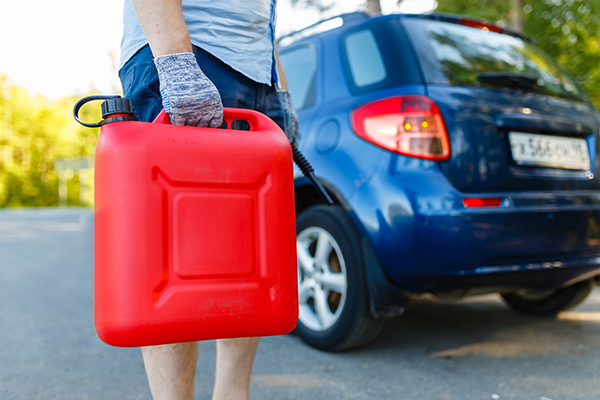
- Gas stations typically only have a few days' worth of fuel on hand, making the system vulnerable to sudden disruptions from events like storms, cyberattacks or panic buying, which can leave pumps empty in hours.
- Audit your driving habits to identify waste, and use strategies like the "3-Trip Rule" (combining several errands into one outing) to significantly reduce fuel consumption before a crisis forces you to.
- Keeping a modest, safe reserve (e.g., 20 to 60 gallons) in certified containers, treated with a stabilizer and rotated regularly, provides a critical buffer for emergencies, evacuations or rationing periods.
- When fuel is scarce, efficiency is key. Consider using more fuel-efficient vehicles, and have backup options like electric bikes or traditional bicycles that don't rely on gasoline at all.
- True resilience comes from combining a primary vehicle, an efficient daily option and a fuel-free alternative, along with a specific evacuation plan that includes keeping your gas tank at least half full when threats loom.
The fragility of the fuel supply
The modern fuel distribution system is a marvel of efficiency, but it is not invulnerable. Most gas stations hold only a few days' worth of fuel in their underground tanks, relying on constant deliveries. If a hurricane shuts down a refinery, a cyberattack halts a major pipeline or even rumors spark panic buying, this delicate balance can break in a matter of hours. Stations can be emptied by evening after a normal morning. The 2021 Colonial Pipeline incident was a stark preview: a disruption lasting days triggered a surge in demand that left thousands of pumps dry across multiple states. This underscores a key preparedness mindset shift: planning for the moment when the pump is not an option. Proactive planning for fuel rationing provides a significant advantage over reacting to empty stations or government-imposed limits.What modern fuel rationing could look like
The United States has a blueprint for fuel rationing, most notably from World War II, when citizens used coupon books for limited gasoline purchases. A modern system would likely involve digital tracking or purchase limits based on license plates or registration, prioritizing essential services and emergency personnel. BrightU.AI's Enoch AI engine explains that for the average household, the specific mechanism matters less than the reality it creates: fuel becomes a carefully budgeted commodity. Unnecessary driving ceases, commutes are consolidated and every gallon is measured. Preparing for this reality before it happens allows a family to adapt smoothly, rather than scramble under stress.Audit your driving habits
The foundation of fuel ration preparedness is understanding current consumption. Most households underestimate how much fuel they use on routine trips, such as commutes, school runs and scattered errands. A simple one-week audit, noting each trip's purpose and distance, can be enlightening. It often reveals multiple short trips that could be combined or inefficient routes that waste fuel. This audit is crucial because rationing turns every mile into a strategic decision. Identifying essential travel versus habitual driving is the first step in stretching a limited supply. The Department of Energy (DOE) confirms that poor route planning and aggressive driving significantly increase fuel consumption compared to efficient habits.The 3-trip rule: A simple strategy for efficiency
A powerful tool for immediate fuel savings is the "3-Trip Rule." The goal is to mentally stack at least three tasks into a single planned outing. This means a grocery run becomes an opportunity to also visit the pharmacy, post office and hardware store. One efficient loop replaces several smaller trips scattered across the week. This practice is especially valuable in urban areas with stop-and-go traffic, where cold starts and congestion burn fuel quickly. Rural families benefit equally by making every long-distance trip count. Using route-planning apps or a simple list to organize stops minimizes backtracking and wasted miles. Adopting this habit before a crisis makes adapting to rationing far less disruptive.Smart, Safe fuel storage at home
While trip planning conserves fuel, a modest reserve provides critical flexibility. Safe storage is paramount. Fuel must be kept in certified containers, like robust steel jerry cans, designed to handle vapors and pressure changes. Storage should be in a cool, well-ventilated location, such as a detached shed, away from living spaces. Fuel lifespan is a key consideration. Gasoline begins to degrade within months. Using a fuel stabilizer can extend its usability for a year or more, making rotation part of a regular maintenance schedule. Diesel stores longer but can still develop issues. Following guidelines from the National Fire Protection Association ensures safety. For most households, a reserve of 20 to 60 gallons, rotated and treated, is a practical buffer. This can cover an evacuation, power a generator for essential needs during an outage, or supplement weekly driving under rationing.Calculating your household's needs
To determine a sensible reserve, start with your baseline weekly fuel use. Calculate your average miles driven and your vehicle's fuel efficiency. If you drive 200 miles weekly in a car that gets 25 miles per gallon, you use about eight gallons per week. Next, define the purpose of your reserve. Is it for a week of essential travel? For generator use during a multi-day power outage? For a full evacuation? A portable generator alone can use close to a gallon per hour under load, which quickly impacts storage calculations. A tailored plan beats a generic one.Choosing efficient transportation
When fuel is scarce, efficiency often trumps power. A compact car getting 35-40 miles per gallon can travel nearly twice as far on the same fuel as a large truck. Motorcycles and scooters, achieving 60 to 80 miles per gallon, offer exceptional range for commuting and light errands. Diesel vehicles also offer excellent mileage and longer fuel storage life. Regular vehicle maintenance is a force multiplier for efficiency. Properly inflated tires, clean air filters and timely tune-ups ensure your vehicle uses fuel optimally. A simple digital tire gauge can help maintain correct pressure, reducing rolling resistance.Backup transport: Mobility beyond gasoline
True resilience means having options that don't rely on gasoline at all. Modern electric bikes are a standout solution, capable of covering 20 to 60 miles on a charge that uses minimal electricity, potentially from a small solar setup. Cargo models can haul groceries or supplies. Traditional bicycles require no fuel and offer reliable local mobility. In rural settings, even animal-powered transport or sturdy carts represent time-tested alternatives. The goal is layered mobility: a primary vehicle for long hauls, an efficient option for daily needs and a fuel-free alternative for when supplies are critically low.Evacuation: When planning is paramount
Evacuations strain fuel supplies most severely. Stations along major routes can be emptied by the first wave of evacuees. The "half-tank rule," or never letting your vehicle's fuel level drop below halfway when a threat is possible, is a critical habit. Pre-planning evacuation routes using secondary roads can help avoid gridlocked highways where fuel is idled away. A home fuel reserve can be the difference between reaching safety and being stranded. Portable transfer pumps allow quick fueling from stored containers when minutes count. As FEMA advises, having a plan and the fuel to execute it is a cornerstone of disaster readiness.The cumulative power of small habits
Beyond major planning, everyday driving habits quietly conserve significant fuel. Reducing highway speed, minimizing idling and accelerating smoothly can improve fuel economy noticeably. Using a diagnostic tool to monitor vehicle health can catch small issues before they hurt efficiency. The Environmental Protection Agency (EPA) notes that these practices collectively reduce waste and improve fuel efficiency.The bottom line: It's about mobility, not just fuel
Ultimately, preparing for fuel rationing is about preserving a fundamental capability: the freedom to move. It empowers households to evacuate safely, check on loved ones, maintain income and secure supplies when others are immobilized. By auditing travel, building a safe and rotating fuel reserve, embracing efficient vehicles and fuel-free alternatives and planning for evacuations, families build resilient, layered transportation strategies. This proactive approach turns a potential crisis into a managed challenge, ensuring that when the unexpected occurs, you remain informed, prepared and mobile. Watch this clip for more about power and fuel considerations while prepping. This video is from the Sons of Liberty channel on Brighteon.com. Sources include: PreppersWill.com TheProvidentPrepper.org BrightU.AI Brighteon.com
Survival in the crosshairs: A practical guide to enduring a terrorist attack
By Zoey Sky // Share


The Nuclear Rubicon: Why Iran’s Deterrent Is Our Only Hope and How to Survive What Follows
By Mike Adams // Share

The Last Broadcast: A chilling wake-up call to the engineered collapse of civilization
By Belle Carter // Share

The modern survival pantry: Building a long-lasting stockpile for resilience and health
By HRS Editors // Share

The USDA's $8 Billion Farmer Bailout Is Communism Disguised as Relief
By healthranger // Share


Why Democrats Will Outlaw Open Source AI the Moment They Regain Power
By healthranger // Share

Could your sugar habit be reshaping your mouth's ecosystem?
By willowt // Share

Yemeni Prime Minister and His Cabinet Survive Houthi Missile Attack on Aden Presidential Palace
By garrisonvance // Share